English
 русский
 Français
 Español
 Indonesia
 Deutsch
 عربى
عربى 中文简体
中文简体
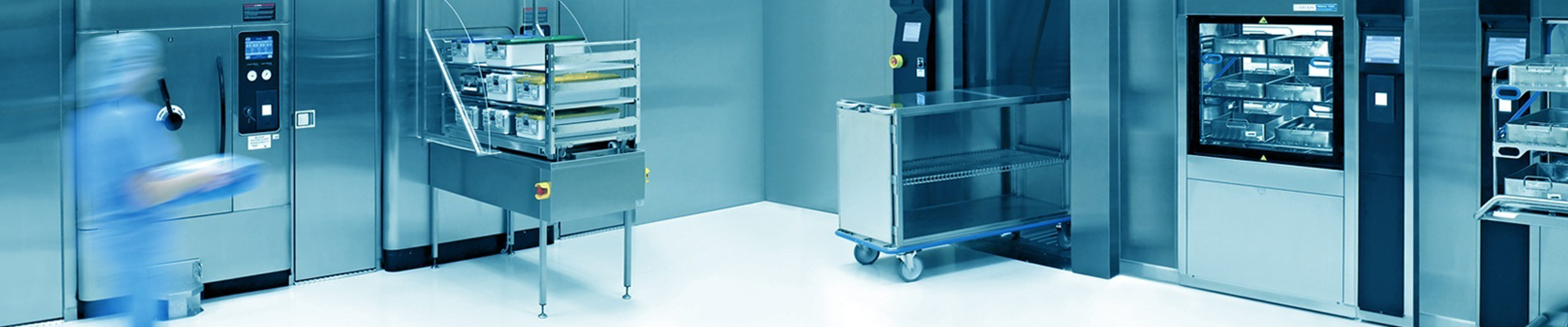
Autoclave Room Design, Safety Requirements & Equipment Selection Guide
Posted by Admin | 03 Apr
Content
What Is an Autoclave Room?
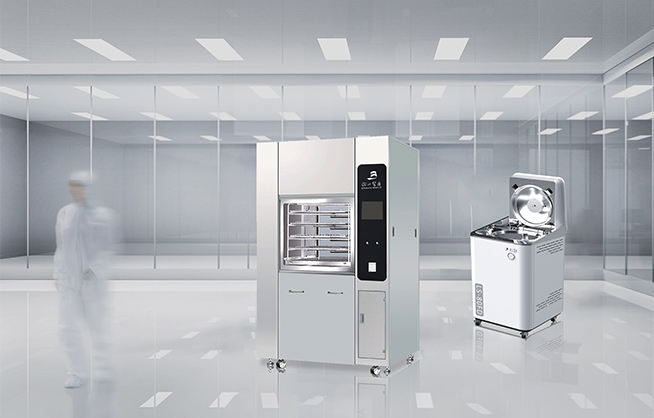
An autoclave room — sometimes called a "hot room" or sterilization room — is a designated, purpose-built space that houses one or more autoclaves and provides the infrastructure required to safely operate them. Unlike a general laboratory bench or a corner of a supply closet, a proper autoclave room is engineered around the physical demands of high-pressure steam sterilization: structural load capacity, heat dissipation, drainage, and controlled airflow.
The core function of the room is to create a controlled environment where instruments, materials, and biological waste can be sterilized reliably without exposing the rest of a facility to steam, heat, or contamination risk. In hospitals, this typically means a central sterile services department (CSSD) or sterile processing department (SPD). In research laboratories, it is often a shared autoclave room accessible to multiple teams. In pharmaceutical manufacturing, it forms a critical part of a cleanroom-adjacent workflow governed by GMP regulations.
Regardless of setting, the autoclave room serves a single non-negotiable purpose: ensuring that the sterilization process is effective, safe, and auditable every time it runs.
Room Design Requirements
Designing an autoclave room is not simply a matter of finding a space large enough to fit the equipment. Several structural and mechanical requirements must be met before an autoclave can be safely installed and operated.
Space and Access
Industry standard BS 2646 Part 2 recommends a minimum of one meter of clear space around all sides of the autoclave to allow for service access, maintenance, and safe operation. For autoclaves above 30 liters in chamber capacity, a fully enclosed concrete room — separate from the main working area and staff seating — is required. This separation prevents heat and steam from affecting adjacent workspaces and limits unauthorized access to the equipment.
Materials and Surfaces
Wooden materials of any kind are prohibited in an autoclave room. Wooden doors, window frames, and shelving cannot withstand the sustained exposure to heat and moisture that autoclaves generate. All wall surfaces, laboratory slabs, and work counters should be constructed from non-porous, heat-resistant materials that can be easily cleaned and decontaminated. Stainless steel or sealed epoxy surfaces are the standard choice.
Ventilation
A forced ventilation system is mandatory. Autoclaves release significant volumes of hot steam during operation and at cycle completion; without active exhaust, heat and humidity accumulate rapidly, creating an unsafe working environment and shortening the service life of surrounding equipment. Ventilation must be designed to exchange room air continuously — not merely recirculate it.
Drainage
Autoclave drainage must be routed to a sealed discharge system connected directly to a building drain. Open tun-dish discharge arrangements are not suitable for autoclaves processing biological or infectious materials, as splashes and steam can escape into the working area. The drainage system must handle both condensate and any liquid waste generated during the sterilization cycle.
Floor Loading
For large-format autoclaves — particularly units with chamber volumes of 300 liters or more — floor load-bearing capacity must be assessed before installation, especially in older or refurbished buildings. A fully loaded horizontal autoclave can weigh several thousand kilograms, a load that many standard laboratory floors are not rated to support without structural reinforcement.
Fire Safety
All appropriate firefighting equipment must be available and accessible within the autoclave room. This includes fire extinguishers rated for electrical and thermal hazards, not just general-purpose units.
The Three-Zone Workflow: Dirty, Clean, and Sterile
The most important operational principle governing any autoclave room in a healthcare or surgical context is the three-zone workflow. This system divides the processing environment into functionally separate areas to prevent recontamination of sterilized items before they reach the point of use.
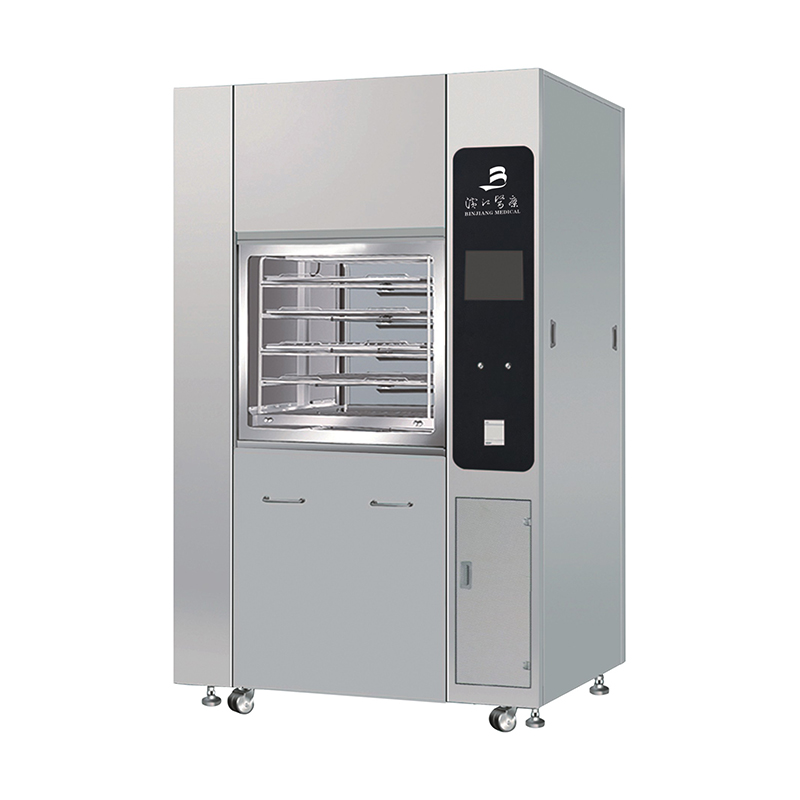
- Dirty Zone: Used instruments and materials arrive from the operating room, clinical area, or laboratory covered in biological matter. All decontamination and pre-cleaning takes place here — washer-disinfectors and manual cleaning sinks are located in this zone, and staff working in this area require full PPE.
- Clean Zone: After decontamination, instruments move into the clean zone for inspection, sorting, and packaging. Items are wrapped, pouched, or containerized here in preparation for sterilization. The clean zone is physically separated from the dirty zone to prevent cross-contamination from incoming soiled loads.
- Sterile Zone: Sterilized items exit the autoclave and are stored or dispatched from the sterile zone. Nothing from the dirty or clean zone should enter this area without going through the full sterilization cycle.
In facilities with high sterilization volumes, this workflow is implemented using a pass-through autoclave: a double-door unit installed in a wall separating the clean and sterile zones. Items are loaded through the clean-side door and unloaded through the sterile-side door — the two doors are interlocked so that both cannot be open simultaneously, preventing contaminated air from the clean zone from entering the sterile area.
For a detailed breakdown of how sterilization areas can be structured and equipped within a hospital or clinic setting, see this overview of sterilization workflow design for hospital central processing departments.
Choosing the Right Autoclave for Your Room
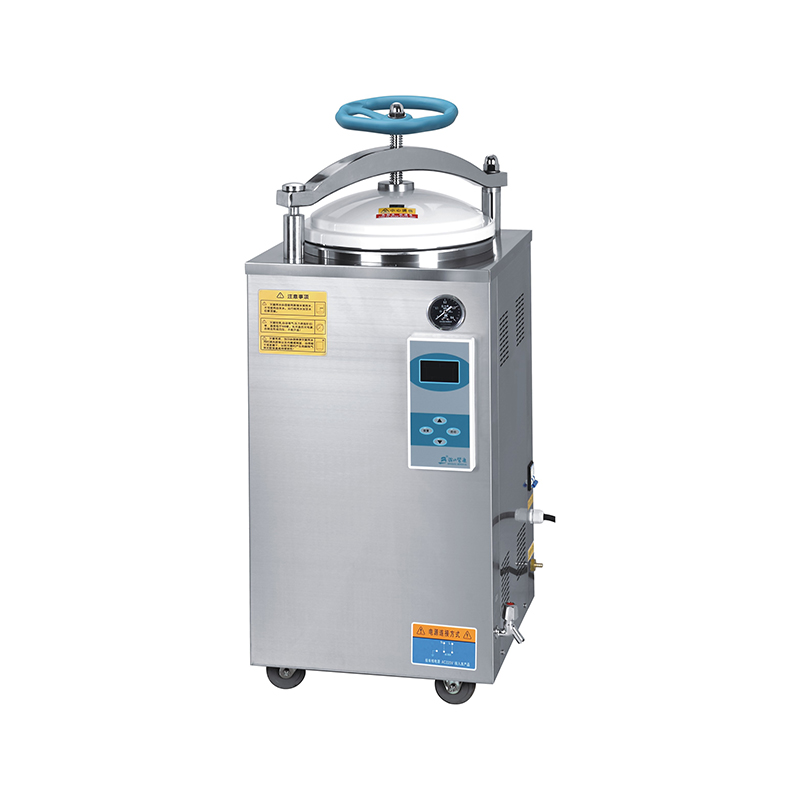
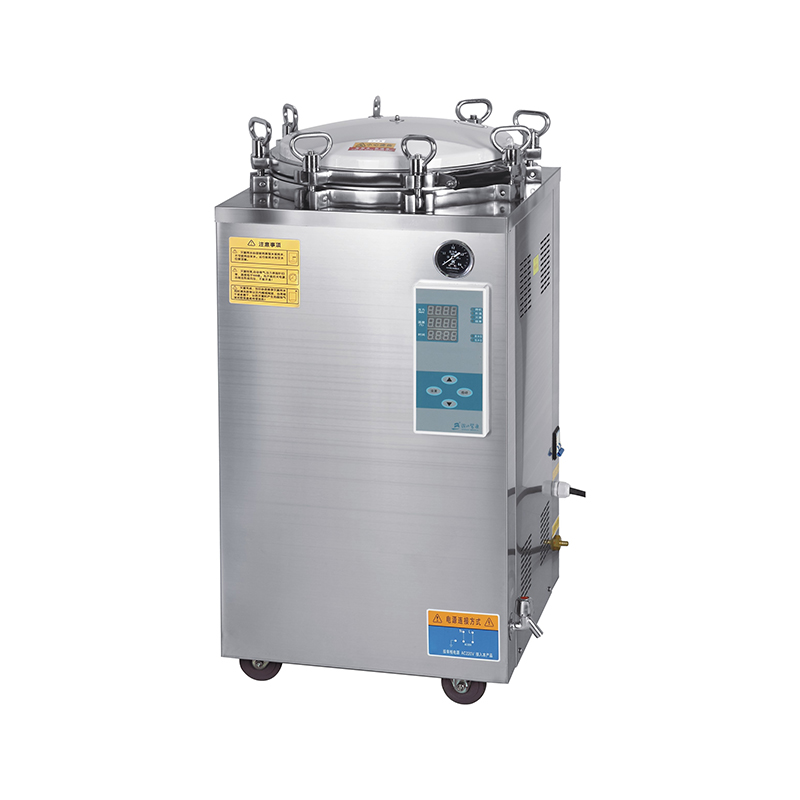
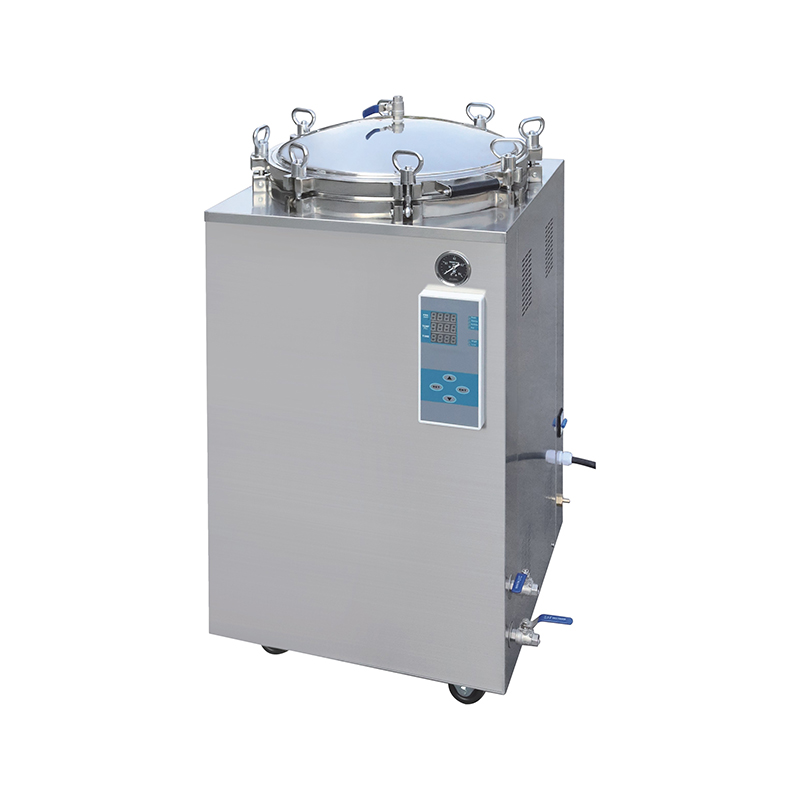
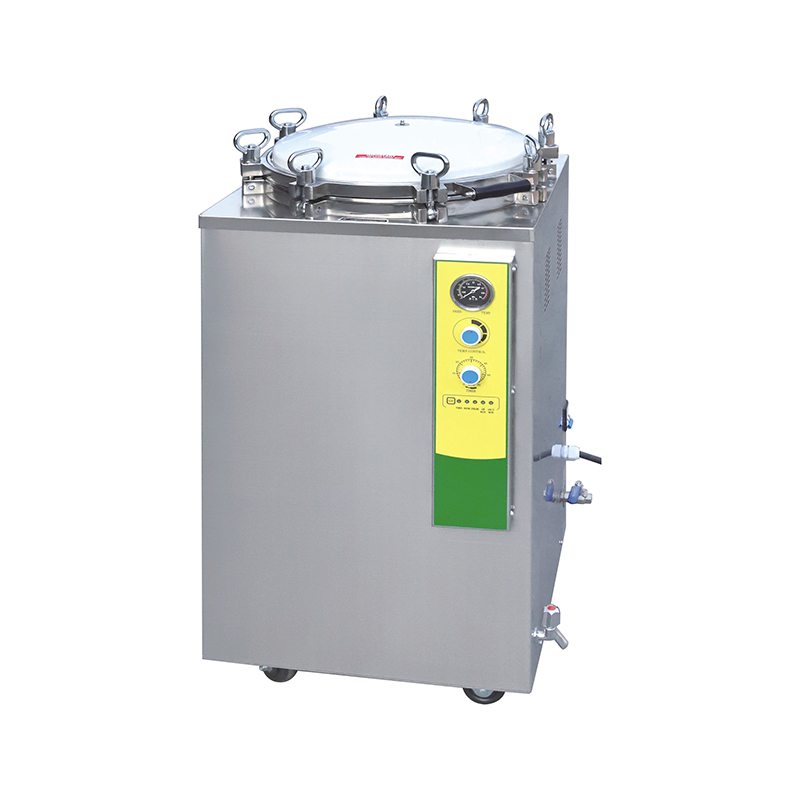
Once the room infrastructure is in place, equipment selection becomes the central decision. The correct autoclave depends on the type of loads you need to sterilize, the volume of cycles per day, and the regulatory framework that governs your facility. The table below compares the three most common autoclave room settings:
| Setting | Typical Load Types | Priority Features | Common Autoclave Type |
|---|---|---|---|
| Hospital / Surgical Center | Wrapped instruments, hollow devices, textiles, surgical packs | Pre-vacuum air removal, fast cycle times, pass-through configuration | Large horizontal pulse vacuum sterilizer (EN 285) |
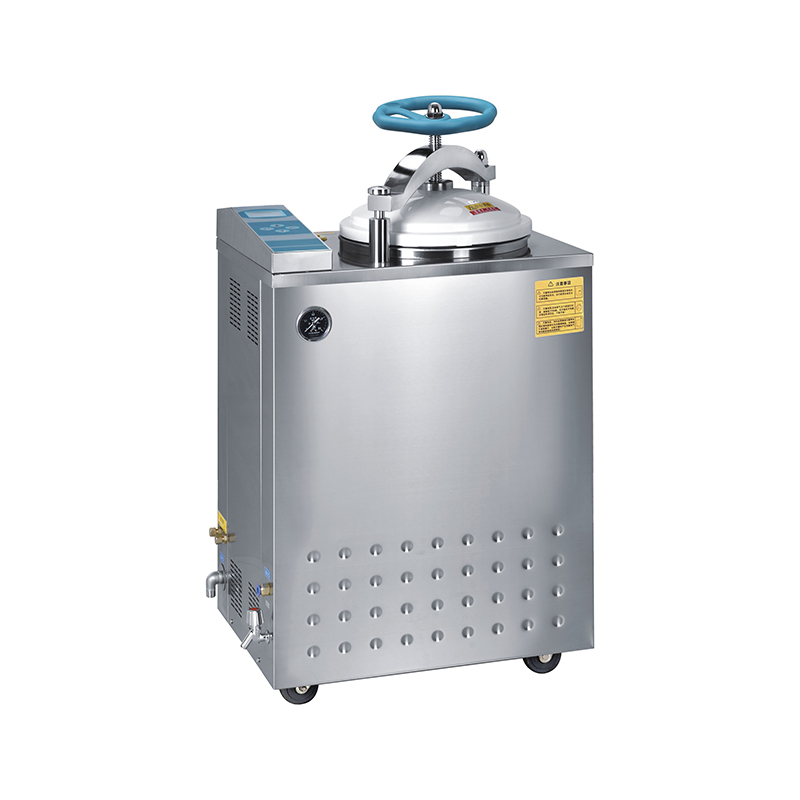
| Research Laboratory | Glassware, liquid media, biohazardous waste, pipettes | Liquid cycle capability, gravity displacement, biological waste programs | Vertical or horizontal pressure steam sterilizer |
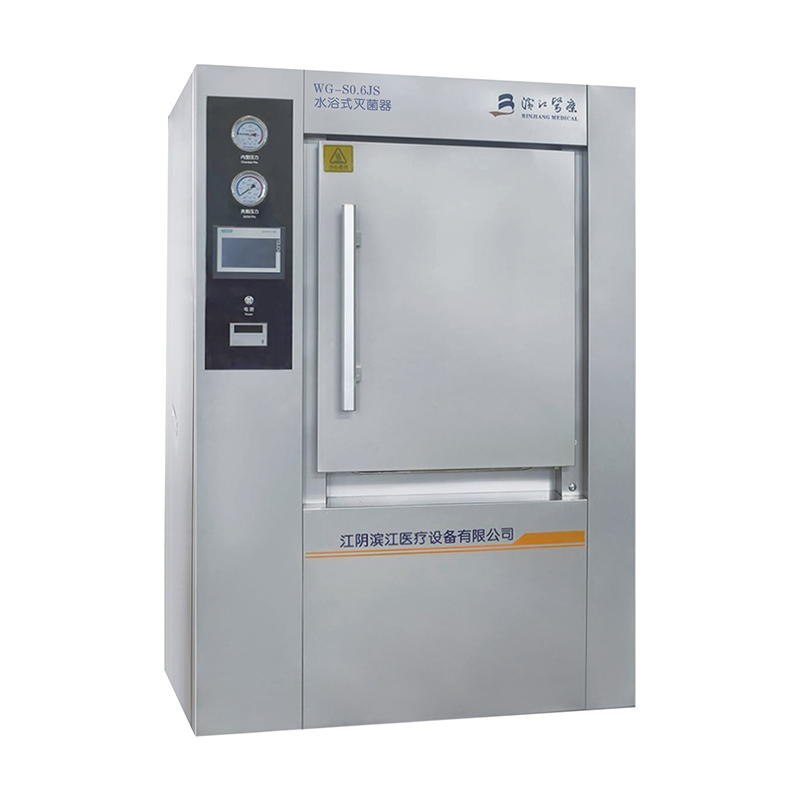
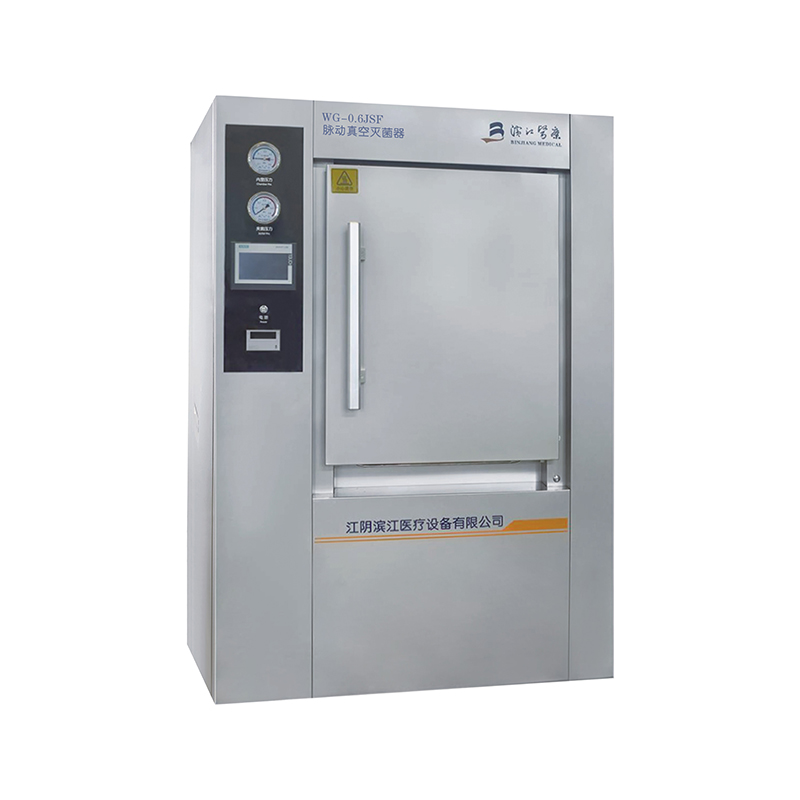
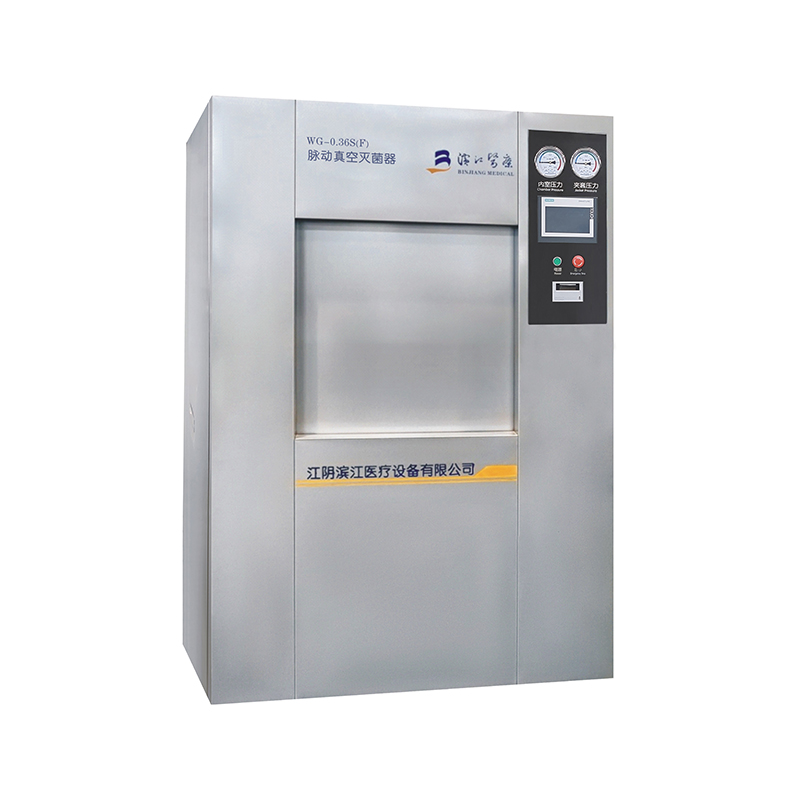
| Pharmaceutical / Biotech | Sealed ampoules, vials, packaging materials, sterile garments | Validated cycles, data logging, GMP compliance, jacket drying | WG-series pulse vacuum sterilizer with full documentation output |
For facilities that sterilize a mix of solid, hollow, and wrapped instruments, a guide to selecting the right autoclave class for your specific instrument load can help clarify which unit type — Class N, S, or B — is appropriate before committing to a purchase.
Hospital sterile processing departments will find relevant configuration options in our range of autoclave solutions designed for hospital sterilization environments. Research and diagnostic facilities can review equipment suited to laboratory autoclave use cases, including culture media and biohazardous waste programs.
One practical sizing consideration: a single autoclave serving a busy surgical department may become a throughput bottleneck. Planning for redundancy — either a second unit or a significantly larger chamber — avoids service disruptions when one unit is in maintenance or validation hold.
Safety Protocols and PPE
The autoclave room is one of the higher-risk environments in any healthcare or research facility. Steam under pressure, superheated surfaces, and biologically contaminated materials present concurrent hazards. A well-designed room reduces risk through layout and infrastructure; a well-trained team maintains that safety through consistent operating procedure.
Personal Protective Equipment
At minimum, operators loading and unloading the autoclave must wear: heat-resistant gloves rated for steam exposure (standard lab gloves provide no meaningful protection against superheated surfaces), a lab coat or gown with long sleeves, closed-toe shoes, and eye protection. Face shields are recommended when unloading liquid loads, where boil-over risk is higher.
Handling Hot Materials
Autoclaved materials must be allowed to cool to room temperature before transport. Moving superheated liquids or instruments creates burn risk for the operator and risks boil-over of liquid containers if pressure inside them has not fully equalized. Never transport open autoclaved bags or unsecured liquid containers — place cooled biohazard waste into appropriate secondary containers before disposal.
Spill Management
If a spill occurs inside the autoclave chamber, the unit must be allowed to cool completely before any cleaning attempt. Do not open the door of a hot chamber to address a spill — the operator is responsible for the clean-up, and the event must be recorded in the autoclave log book.
Log Books and Cycle Records
Every autoclave room should maintain a written or electronic log for each cycle run. The log must capture: date and time, operator identity, load description, cycle type selected, temperature and pressure reached, exposure time, indicator results, and any anomalies observed. This documentation is not optional in regulated settings — it is the primary evidence that sterilization was performed correctly.
Validation and Compliance Standards
Running a cycle and achieving the target temperature is necessary, but not sufficient, to confirm that sterilization was successful. Regulatory bodies require that autoclave performance be verified through a structured validation program — and that validation be repeated at defined intervals.
Chemical Indicators
Autoclave tape with heat-sensitive chemical indicators should be used on every load. These confirm that the load reached normal operating temperature, but they do not verify that steam penetrated the full contents or that exposure time was adequate. Chemical indicators are a screening tool, not a sterilization proof.
Biological Indicators
Biological indicators (BIs) contain spores of Geobacillus stearothermophilus, chosen specifically because they are among the most heat-resistant organisms that autoclaves are expected to destroy. If the BI is incubated after a cycle and shows no growth, the cycle conditions were sufficient at that location. A positive BI result means the load must be quarantined and the cycle investigated before any instruments are released for use. Autoclaves processing biological waste should be validated with a BI on at least a monthly basis. For a complete guide to BI selection, placement, and documentation, see this resource on biological indicator testing methods and documentation requirements for autoclaves.
Regulatory Standards
The two primary standards governing autoclave performance are ANSI/AAMI ST79 (the US standard for steam sterilization of healthcare products) and EN 285 (the European standard for large steam sterilizers). Both define performance requirements, test methods, and documentation expectations. Pharmaceutical manufacturing facilities must additionally comply with FDA guidance on sterile drug products and aseptic processing requirements, which specifies Installation Qualification (IQ), Operational Qualification (OQ), and Performance Qualification (PQ) protocols for all sterilization equipment.
Validation is not a one-time event. Any change to the autoclave program, load configuration, or physical installation — including a new product type or packaging material — triggers a requalification requirement. Building this expectation into your autoclave room management plan from the outset prevents compliance gaps as your facility evolves.