English
 русский
 Français
 Español
 bahasa Indonesia
 Deutsch
 عربى
عربى 中文简体
中文简体
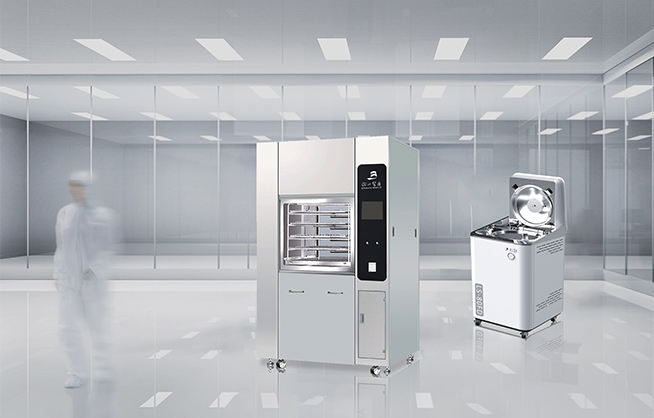
Dental Autoclave Guide: Sterilization & Buying Tips for Clinics
Posted by Admin | 13 Dec
What Is a Dental Autoclave and Why It’s Essential
A dental autoclave is a medical-grade sterilization device that uses high-pressure saturated steam to eliminate bacteria, viruses, fungi, and spores from dental instruments. In modern dentistry, it is the core equipment for ensuring effective instruments sterilization for dental clinic environments, directly impacting patient safety and regulatory compliance.
Definition and Basic Working Principle of a Dental Autoclave
Dental autoclaves operate by exposing instruments to pressurized steam at temperatures typically ranging from 121°C to 134°C for a defined period. This combination of heat, moisture, and pressure denatures microbial proteins, leading to complete sterilization rather than simple disinfection.
For example, a standard Class B dental autoclave may run a cycle at 134°C for 3–5 minutes, which is proven to achieve a sterility assurance level (SAL) of 10⁻⁶, meaning the probability of a surviving microorganism is less than one in a million.
Role of Dental Autoclaves in Infection Control
Dental procedures frequently involve contact with blood, saliva, and oral tissues, all of which can transmit pathogens such as hepatitis B, hepatitis C, and HIV. A dental autoclave serves as the final and most critical barrier against cross-contamination between patients.
- Prevents cross-infection between patients by sterilizing reusable instruments.
- Protects dental staff from occupational exposure to infectious microorganisms.
- Reduces the risk of clinic-acquired infections that can damage a practice’s reputation.
According to clinical infection-control studies, clinics that strictly follow autoclave-based sterilization protocols report significantly lower incidences of instrument-related contamination compared to those relying on chemical disinfection alone.
Regulatory Standards for Dental Sterilization
Dental autoclaves are not only a best practice but also a regulatory requirement in many regions. Health authorities mandate steam sterilization for critical and semi-critical dental instruments to ensure consistent and verifiable sterilization outcomes.
| Organization | Requirement |
|---|---|
| CDC | Steam sterilization for all critical dental instruments |
| WHO | Validated sterilization cycles with monitoring indicators |
| ISO 13060 | Performance standards for small steam sterilizers |
Compliance with these standards is a key reason many clinics actively seek a reliable dental autoclave for sale that meets international certification requirements and supports routine monitoring and documentation.
Instruments Sterilization for Dental Clinic (Practice Guide)
Effective instruments sterilization for dental clinic operations requires more than owning a dental autoclave. It depends on a standardized workflow that ensures every instrument is consistently cleaned, packaged, sterilized, and verified. This practice guide focuses on actionable steps that help clinics achieve predictable and auditable sterilization outcomes.
Classification of Dental Instruments for Sterilization
Dental instruments are categorized based on their level of contact with patient tissues. This classification determines whether steam sterilization in a dental autoclave is mandatory.
- Critical instruments: Penetrate soft tissue or bone (e.g., surgical forceps); must be autoclaved after every use.
- Semi-critical instruments: Contact mucous membranes (e.g., mirrors, scalers); steam sterilization is strongly recommended.
- Non-critical instruments: Contact intact skin only; may require low-level disinfection rather than autoclaving.
Pre-Sterilization Cleaning and Preparation
Autoclaves are designed to sterilize, not to clean. Organic debris such as blood or composite residue can shield microorganisms from steam, reducing sterilization effectiveness by up to 90% according to clinical hygiene studies.
A typical preparation workflow includes ultrasonic cleaning, thorough rinsing, complete drying, and sealing instruments in sterilization pouches with chemical indicators.
Proper Loading Techniques in a Dental Autoclave
Incorrect loading is one of the most common causes of failed sterilization cycles. Instruments must be arranged to allow unrestricted steam circulation and effective air removal.
- Do not stack pouches directly on top of each other.
- Position hinged instruments in an open state.
- Avoid overloading trays beyond the autoclave’s recommended capacity.
Sterilization Cycles and Temperature Requirements
Selecting the correct cycle ensures both safety and efficiency. Different loads may require different time–temperature combinations, particularly for wrapped or hollow instruments.
| Load Type | Temperature | Exposure Time |
|---|---|---|
| Unwrapped solid instruments | 121°C | 15–20 minutes |
| Wrapped instruments | 134°C | 3–5 minutes |
Monitoring and Validation of Sterilization
Reliable instruments sterilization for dental clinic compliance requires documented evidence. Clinics typically combine chemical indicators for every load with biological indicators tested weekly to confirm autoclave performance.
Maintaining sterilization logs not only supports regulatory inspections but also helps clinics identify early performance issues, reinforcing the value of investing in a high-quality dental autoclave for sale with built-in monitoring features.
Types of Dental Autoclaves for Clinical Use
Not all dental autoclaves are designed for the same clinical demands. Understanding autoclave classifications helps clinics select equipment that matches their instrument types, workflow complexity, and compliance requirements. This section focuses on functional differences rather than sterilization theory.
Class B Dental Autoclaves
Class B dental autoclaves are considered the most advanced option for dental practices. They use pre-vacuum and post-vacuum phases to completely remove air from the chamber, allowing steam to penetrate wrapped, hollow, and complex instruments.
For example, handpieces with internal lumens can only be reliably sterilized in Class B systems. This is why many regulatory bodies explicitly recommend Class B autoclaves for full-scope dental clinics and surgical practices.
- Suitable for wrapped, unwrapped, solid, and hollow instruments
- Supports vacuum-assisted drying for immediate storage
- Common choice when purchasing a premium dental autoclave for sale
Class N Dental Autoclaves
Class N autoclaves operate without a vacuum system and rely on gravity displacement to remove air. As a result, their use is limited to unwrapped solid instruments that allow direct steam contact.
While these models are typically more affordable, their restricted functionality makes them unsuitable for clinics using packaged instruments or rotary handpieces. They are most often found in small practices with minimal sterilization complexity.
Class S Dental Autoclaves
Class S dental autoclaves fall between Class B and Class N systems. They are designed to sterilize specific loads as defined by the manufacturer and may include limited vacuum functions.
These autoclaves can be effective when a clinic’s instrument inventory aligns precisely with the validated load types. However, they require careful evaluation to avoid compatibility issues as the practice grows.
| Autoclave Class | Instrument Compatibility | Typical Clinical Use |
|---|---|---|
| Class B | All types, including hollow | General and surgical dentistry |
| Class S | Manufacturer-specified loads | Specialized or mid-volume clinics |
| Class N | Unwrapped solid instruments only | Basic or low-volume practices |
Selecting the appropriate autoclave class early can prevent workflow limitations and reduce the need for future equipment upgrades, making it a critical consideration when evaluating a dental autoclave for sale.
How to Choose the Right Dental Autoclave for Sale
Choosing a dental autoclave is a strategic purchasing decision rather than a simple equipment upgrade. Beyond sterilization capability, the right model should align with a clinic’s workload, infrastructure, compliance goals, and long-term operating costs. This section focuses on practical evaluation criteria that directly affect daily efficiency and future scalability.
Key Features to Look for in a Dental Autoclave
Modern dental autoclaves differ significantly in automation level and usability. Advanced features reduce human error and improve consistency, especially in busy clinical environments.
- Programmable cycles with automatic parameter adjustment
- Integrated water quality monitoring and filtration systems
- Digital display with cycle history and error alerts
Clinics that adopt autoclaves with automated documentation features often reduce manual record errors and inspection preparation time by measurable margins during compliance audits.
Clinic Size and Patient Volume Considerations
Autoclave chamber size and cycle speed should reflect patient throughput. An undersized unit can quickly become a workflow bottleneck, while an oversized model may lead to unnecessary energy and water consumption.
| Clinic Type | Daily Patients | Suggested Chamber Size |
|---|---|---|
| Small practice | 10–20 | 12–16 liters |
| Medium clinic | 20–40 | 18–23 liters |
| Large or multi-chair clinic | 40+ | 24 liters or more |
Installation Requirements and Space Planning
Before purchasing a dental autoclave for sale, clinics must assess their physical and technical infrastructure. Power supply, ventilation, water quality, and drainage all influence which models can be installed without costly renovations.
Countertop autoclaves are common in space-limited practices, while freestanding units may be better suited for central sterilization rooms with higher instrument turnover.
Certifications, Warranty, and After-Sales Support
Certification and service support often determine the true long-term value of an autoclave. Models certified to standards such as ISO 13060 or bearing CE markings provide assurance of validated performance and safety.
- Availability of local technical support and spare parts
- Warranty coverage for critical components like vacuum pumps
- Software update and calibration support over the product lifespan
Evaluating these factors together helps clinics avoid short-term cost savings that lead to higher downtime and maintenance expenses, ensuring the selected dental autoclave supports both current operations and future growth.
Cost Breakdown and ROI of Dental Autoclaves
The true cost of a dental autoclave extends beyond its purchase price. Evaluating both direct expenses and long-term financial impact helps clinics determine whether a specific model delivers sustainable value. This section focuses on cost transparency and return on investment (ROI) considerations relevant to daily clinical operations.
Price Ranges for Dental Autoclaves for Sale
Dental autoclave pricing varies depending on class, chamber size, automation level, and brand support. Understanding these tiers allows clinics to set realistic budgets without sacrificing essential functionality.
| Autoclave Category | Estimated Price Range | Primary Use Case |
|---|---|---|
| Basic Class N | Low-range | Simple, unwrapped loads |
| Mid-range Class S | Mid-range | Defined instrument sets |
| Advanced Class B | Upper-range | Full-spectrum sterilization |
Operating and Maintenance Costs
Ongoing expenses play a significant role in the lifetime cost of ownership. Energy consumption, water usage, consumables, and preventive maintenance all contribute to annual operating budgets.
- Electricity and distilled water consumption per cycle
- Replacement of filters, seals, and monitoring indicators
- Scheduled servicing and performance validation
Clinics that follow manufacturer-recommended maintenance schedules often experience fewer cycle failures and lower emergency repair costs compared to reactive maintenance approaches.
Long-Term Return on Investment
A well-chosen dental autoclave contributes to ROI by improving workflow efficiency, reducing instrument replacement rates, and minimizing regulatory risks. Faster cycles and reliable drying can shorten instrument turnaround time, directly supporting higher patient throughput.
From a risk management perspective, consistent sterilization reduces the likelihood of infection-related incidents, which can carry substantial legal and reputational costs. Over several years of use, these avoided costs often outweigh the initial investment in a higher- quality dental autoclave for sale.
Maintenance and Best Practices for Dental Autoclaves
Even the most advanced dental autoclave can fail to deliver reliable sterilization if it is not properly maintained. This section focuses on preventive care and operational best practices that preserve performance, reduce downtime, and extend equipment lifespan—factors often overlooked during the purchasing phase.
Daily, Weekly, and Monthly Maintenance Tasks
Maintenance routines should be structured and documented. Small, recurring actions help prevent gradual performance degradation that may otherwise go unnoticed until a failed sterilization test occurs.
- Daily: Clean chamber surfaces, drain residual water, and inspect door seals for debris or wear.
- Weekly: Run vacuum or leak tests and clean trays and racks.
- Monthly: Replace water filters if required and review cycle logs for anomalies.
Clinics that implement structured maintenance schedules typically report fewer aborted cycles and more consistent drying results, particularly in high-use environments.
Common Autoclave Errors and Troubleshooting
Many autoclave performance issues stem from user-related factors rather than mechanical failure. Early identification of recurring errors can prevent unnecessary service calls and workflow disruption.
| Issue | Likely Cause |
|---|---|
| Incomplete drying | Overloading or blocked steam circulation |
| Failed vacuum test | Worn door gasket or loose fittings |
| Cycle interruption | Insufficient water quality or power fluctuation |
Addressing these issues promptly helps maintain sterilization reliability and prevents cumulative stress on internal components.
When to Service or Replace Your Dental Autoclave
While routine maintenance supports long-term use, dental autoclaves are not indefinite assets. Indicators such as repeated cycle failures, extended cycle times, or increasing repair frequency suggest that professional servicing—or eventual replacement—may be required.
Many clinics begin evaluating a new dental autoclave for sale after 8–10 years of operation, particularly when newer models offer improved energy efficiency, faster cycles, and enhanced monitoring capabilities that justify the upgrade.
Frequently Asked Questions About Dental Autoclaves
Dental professionals often encounter practical questions once an autoclave is in daily use. This FAQ section addresses common operational and decision-making concerns that are not always covered in manuals, helping clinics apply best practices with confidence.
How Often Should Dental Instruments Be Sterilized?
Reusable dental instruments must be sterilized after every patient use, without exception. Even brief exposure to oral fluids can introduce microorganisms that multiply rapidly if instruments are stored without sterilization.
In high-volume clinics, this often means running multiple autoclave cycles per day. Practices with optimized scheduling typically batch instruments between patients to maintain efficiency while meeting infection-control standards.
Can All Dental Instruments Be Autoclaved?
Not all dental instruments are compatible with steam sterilization. Heat-sensitive items made from certain plastics, adhesives, or electronic components may deform or fail when exposed to high temperatures and moisture.
- Stainless steel and titanium instruments are generally autoclave-safe
- Some plastics and rubber components require low-temperature alternatives
- Manufacturer instructions should always be reviewed before sterilization
How Long Does a Typical Dental Autoclave Cycle Take?
Cycle duration depends on the selected program, load type, and drying requirements. While the exposure phase may last only a few minutes, the full cycle—including heating, sterilization, and drying—commonly ranges from 30 to 60 minutes.
Clinics that rely on rapid instrument turnover often prioritize dental autoclaves with fast vacuum-assisted drying to reduce waiting time between procedures.
What Is the Average Lifespan of a Dental Autoclave?
With proper maintenance, a dental autoclave typically operates effectively for 8 to 12 years. Lifespan is influenced by daily cycle volume, water quality, and adherence to preventive maintenance schedules.
As technology evolves, many clinics replace functional units earlier to benefit from improved energy efficiency, digital tracking, and compliance features offered by newer dental autoclave models for sale.