English
 русский
 Français
 Español
 Indonesia
 Deutsch
 عربى
عربى 中文简体
中文简体
Dynamic Air Removal in Steam Sterilizers: How It Works, Tests, and Buying Guide
Posted by Admin | 28 Aug
Content
- 1 What Dynamic Air Removal Actually Means
- 2 Why Trapped Air Ruins a Sterilization Cycle
- 3 Gravity Displacement vs. Dynamic Air Removal
- 4 Inside a Dynamic Air Removal Cycle
- 5 The Bowie-Dick Test and Daily Air Removal Checks
- 6 Common Causes of Air Removal Failure
- 7 Choosing a Sterilizer Built Around Dynamic Air Removal
A Bowie-Dick test sheet that fails with an uneven patch at its center points to one specific problem: air stayed in the chamber when it should have been gone. Dynamic air removal exists to prevent exactly that failure.
Dynamic air removal is the mechanical clearing of air from a steam sterilizer's chamber and load through a programmed series of vacuum and pressure pulses before the sterilization hold begins. Because trapped air blocks steam from contacting surfaces, cycles built on this principle — prevacuum and steam flush pressure pulse (SFPP) designs — sterilize wrapped instrument sets, porous textiles, and lumened devices faster and more repeatably than gravity cycles can. If your workload includes anything wrapped, pouched, or hollow-bored, this is the cycle type to specify.
What Dynamic Air Removal Actually Means
In a dynamic air removal cycle, air is never left to drift out on its own. The sterilizer's control system alternates vacuum draws and steam injections — the pulses — to force air out of the chamber, through the packaging, and away from the crevices of each instrument. Two conditioning designs dominate. A prevacuum, or fractionated vacuum, cycle pulls the chamber below atmospheric pressure, injects steam, and repeats the sequence three or more times. An SFPP cycle reaches a similar end state with short steam flushes and pressure pulses that stay near atmospheric pressure, which is why it can run without a deep-vacuum system.
The two designs share one defining trait, and it is the one standards writers care about: air is moved mechanically rather than passively. Whichever route a cycle takes, conditioning ends with the load primed for complete steam penetration — the precondition for a valid exposure hold.
Why Trapped Air Ruins a Sterilization Cycle
Saturated steam sterilizes by condensing on a surface and releasing its latent heat. Air interferes with that mechanism at the exact point where it matters. It is a poor heat-transfer medium, and any pocket of it — inside a wrapped tray, a folded drape, or the long narrow lumen of a rigid scope — works as an insulating blanket. Steam cannot condense there, the temperature at that spot stays below the lethal threshold, and the load can fail even while the chamber gauge reads 134 °C.
The loads most exposed to this risk are wrapped surgical trays, textile packs, porous items, tightly packed pouches, and anything with a bore. These are the everyday workloads of hospital sterile processing departments, dental and ophthalmic clinics, and laboratories — and precisely the loads dynamic air removal was developed for.
Gravity Displacement vs. Dynamic Air Removal
Gravity displacement, the older method, relies on simple physics. Steam injected at the top of the chamber is lighter than the cooler air it replaces, so air is pushed downward and exhausted through the drain. The process is passive and slow, and it works acceptably for unwrapped solid metal instruments and liquids. Wrapped, porous, and lumened loads, however, retain residual air pockets that gravity alone cannot dislodge.
| Aspect | Gravity Displacement | Dynamic Air Removal |
|---|---|---|
| Air removal principle | Steam pushed downward from the top of the chamber, exhausting cooler air through the drain | Alternating vacuum draws and steam injections evacuate air mechanically |
| Conditioning speed | Slow and passive | Fast and active |
| Best-suited loads | Unwrapped solid metal, liquids in vented containers | Wrapped trays, pouches, textiles, lumened devices |
| Residual air risk | High in porous and hollow loads | Low when the chamber is sealed and pulses complete |
| Typical equipment | Benchtop gravity units, gravity displacement horizontal sterilizers | Class B tabletop pulse vacuum units, prevacuum and SFPP hospital sterilizers |
One method does not make the other obsolete. Gravity displacement remains the sensible, economical choice for liquids and bare solids, and equipment is still purpose-built for that duty — JIBIMED's WS400YV gravity exchange type horizontal pressure steam sterilizer is one example. Where wrapped and hollow loads dominate, pulse vacuum designs take over.
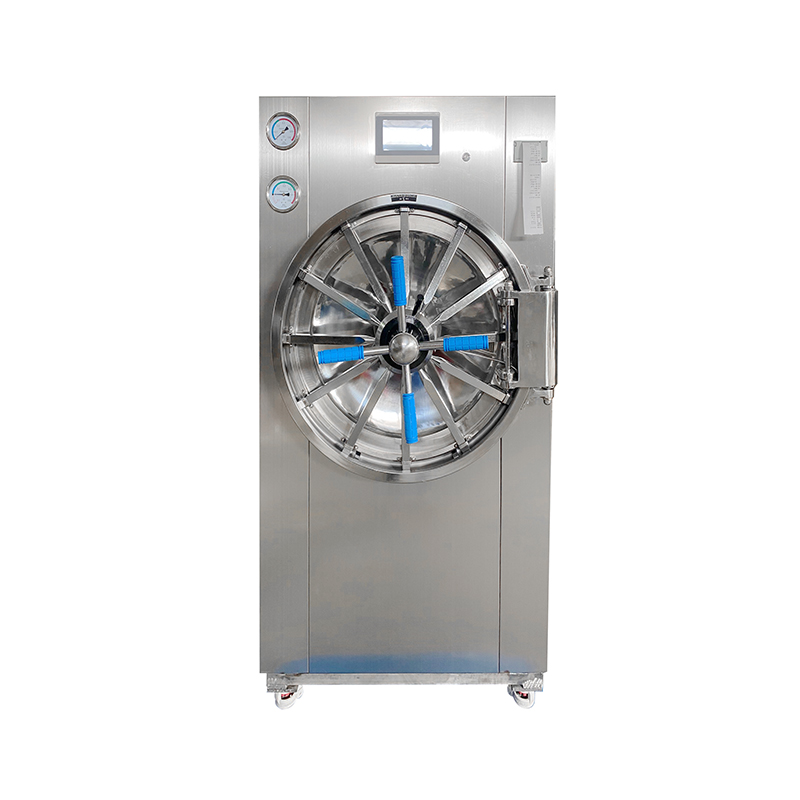 WS-400YV Gravity Exchange Horizontal Pressure Steam SterilizerThis gravity displacement autoclave vents cold air from the chamber for reliable sterilization of surgical instruments, fabrics, glassware, and culture media, illustrating the economical choice for liquids and bare solids mentioned here.View Product →
Inside a Dynamic Air Removal Cycle
Step by step, a typical dynamic air removal cycle runs as follows:
- Air removal pulses: the chamber is drawn down and charged with steam in repeated sequence, usually three or more times in a prevacuum cycle.
- Steam penetration: with air gone, saturated steam floods the load and reaches every wrap layer and lumen.
- Exposure hold: the programmed temperature is maintained — 134 °C for around three minutes is a common setting for wrapped instruments.
- Evacuation: steam is exhausted and a final vacuum is drawn.
- Vacuum-assisted drying: continued vacuum pulls residual moisture out of wraps and hollow instruments before the door opens.
Two consequences follow from this architecture. Cycle times for wrapped loads are far shorter than gravity cycles would need for equivalent assurance, and vacuum-assisted drying leaves packs dry enough to go straight onto storage shelves. For a busy central sterile services department or a high-volume clinic, those minutes and the absence of wet packs translate directly into daily throughput.
The Bowie-Dick Test and Daily Air Removal Checks
A dynamic air removal sterilizer has to prove every working day that it still removes air. The standard instrument is the Bowie-Dick test, a chemical indicator test pack that reacts to residual air. A pass confirms that air removal, steam penetration, and the absence of non-condensable gases are within tolerance. A fail signals an air leak, inadequate air removal, or inadequate steam penetration — and it means that day's loads should not be released until the cause is found.
Accepted practice, summarized in AAMI guidance, is specific: run the test every day the sterilizer is used, before the first processed load or at the same time each day; always in an empty chamber; with the pack on the bottom shelf, near the door, above the drain; and on the sterilizer's dedicated air removal test cycle, never a normal instrument cycle. Placement and warm-up details vary by model, so the instructions for use from the sterilizer and test pack manufacturers remain the final word.
For the test formats, pass criteria, and the compliance records they generate, see this guide to the purpose, methods, and compliance steps for the autoclave air removal test.
Common Causes of Air Removal Failure
When daily tests start failing, the cause is usually mechanical or procedural, and most fixes are found on site:
- A worn or damaged door gasket that lets ambient air seep past the seal during vacuum pulses.
- Wet steam, or a boiler line carrying non-condensable gases that mimic the symptoms of a leak.
- Overloaded chambers or stacking that blocks steam pathways through the load.
- Packaging sealed without adequate venting, or rigid containers latched in the wrong configuration.
- A skipped warm-up on a cold-start sterilizer, which distorts the first conditioning pulses.
Treat a failed test as a diagnostic signal rather than a nuisance. Repeated failures justify a leak test and a review of steam quality before the unit returns to production loads.
Choosing a Sterilizer Built Around Dynamic Air Removal
Classification gives buyers a useful shortcut. In tabletop sterilizers, Class B designation means the chamber runs a fractionated pre-vacuum and is validated for the most demanding loads — wrapped, porous, and hollow items alike. A dental clinic processing handpieces, an ophthalmic clinic handling cannulas, or a small laboratory wrapping media should treat that designation as the baseline.
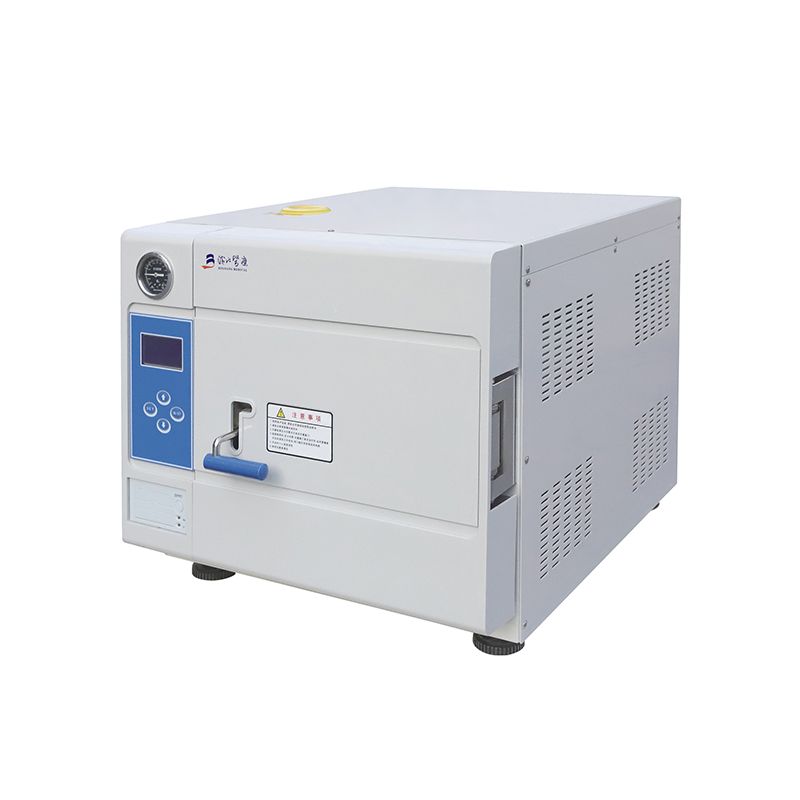 Class B Table Top Pulse Vacuum Steam SterilizerA Class B tabletop autoclave with fractionated pre-vacuum, validated for wrapped, porous, and hollow loads such as dental handpieces and cannulas, matching the baseline designation recommended for demanding clinic and laboratory workloads.View Product →
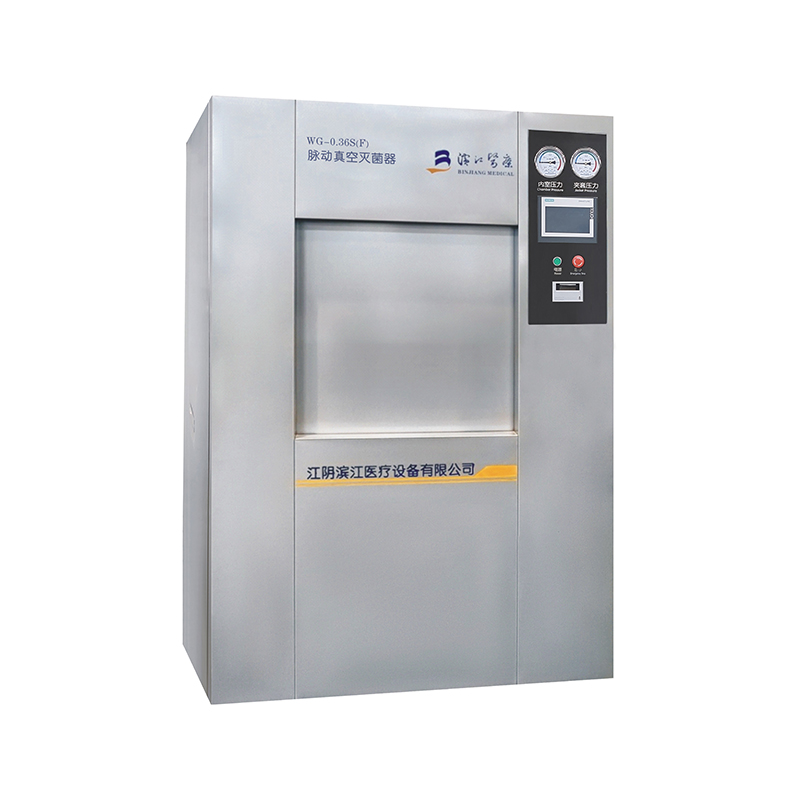
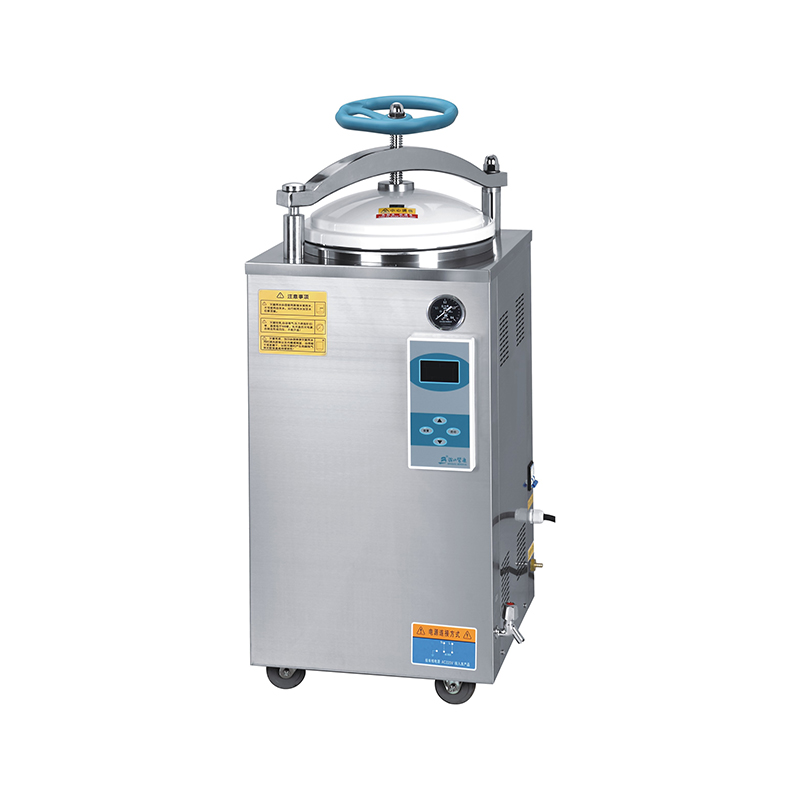
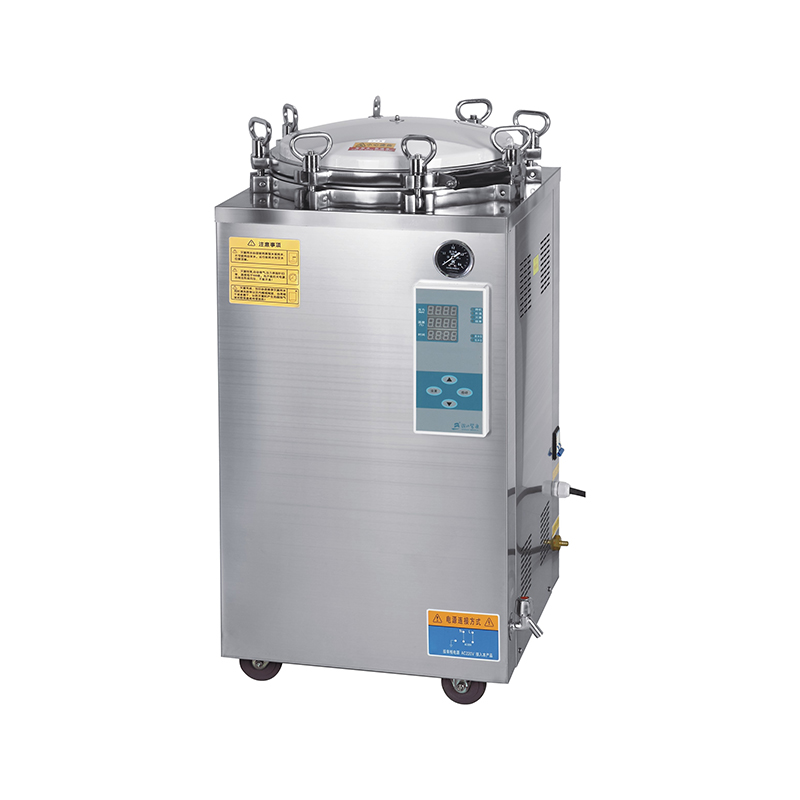
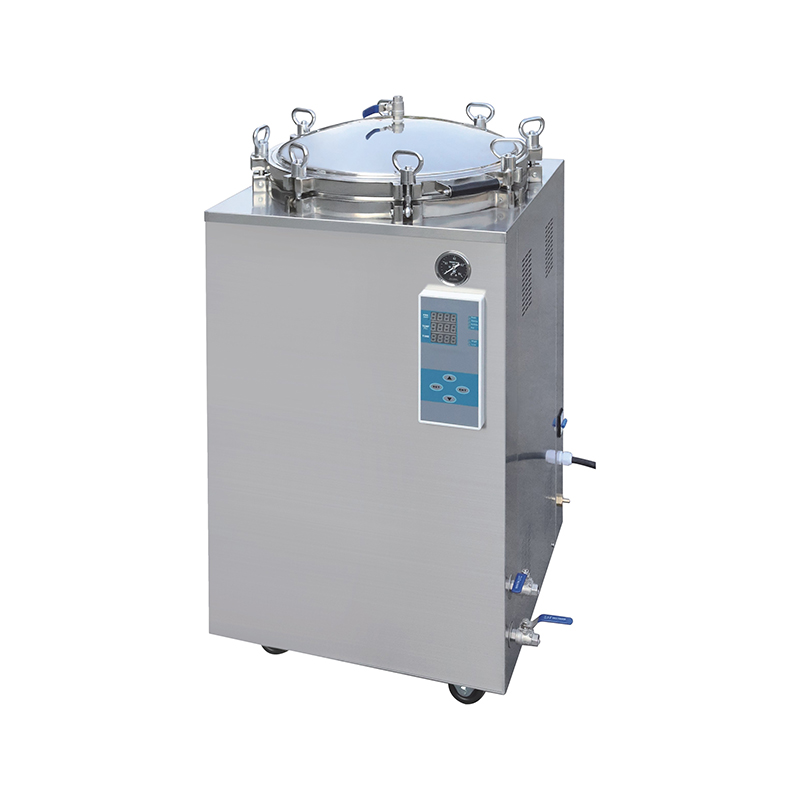
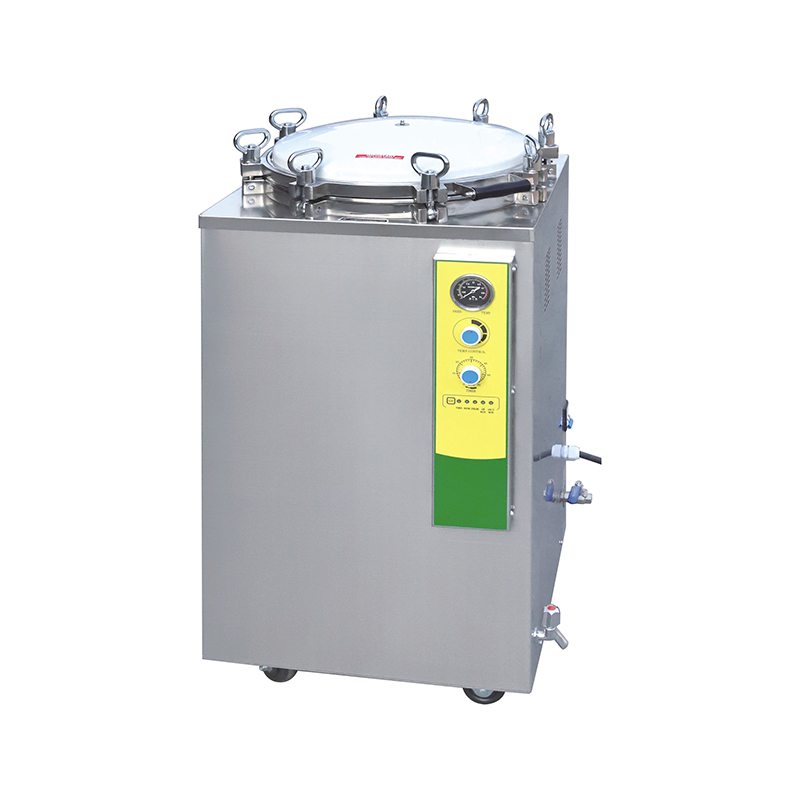
Larger departments scale the same principle up. A vertical pulse vacuum steam sterilizer brings pulsed conditioning to laboratory and clinical workloads that need a bigger chamber without a machine-room installation, while WG-series pulse vacuum autoclaves carry the heaviest wrapped throughput in hospital sterile processing.
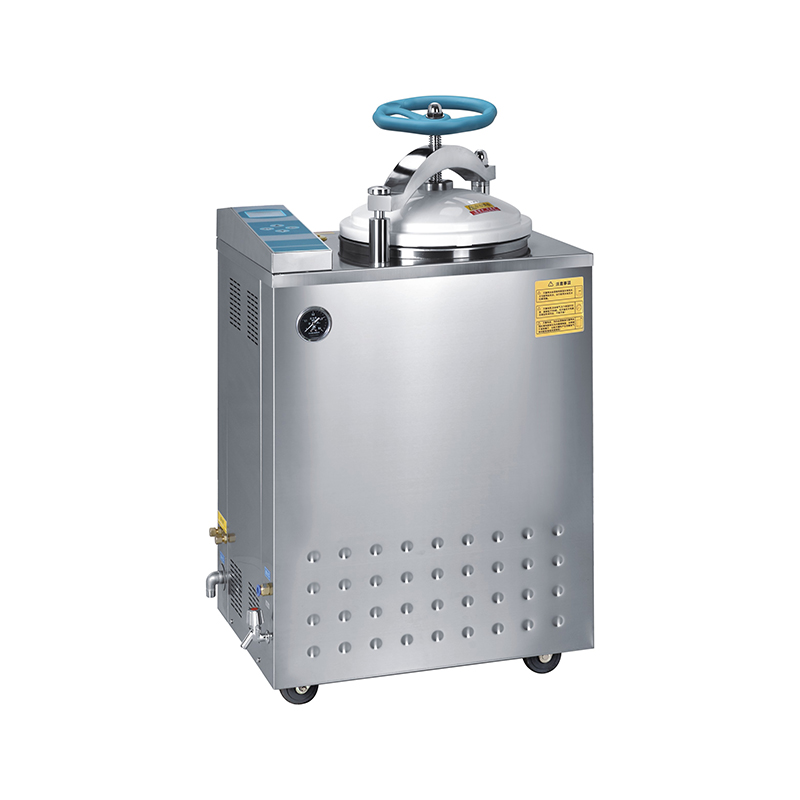 Vertical Pulse Vacuum Steam SterilizerA vertical autoclave offering three pulse vacuum cycles, vacuum drying, and a larger chamber without machine-room installation, suited to hospital departments scaling up pulsed conditioning for wrapped laboratory and clinical loads.View Product →
Whichever format you buy, four checkpoints separate a genuine dynamic air removal machine from one that merely carries the label: programmable pulse count and vacuum depth, a dedicated Bowie-Dick test cycle, vacuum-assisted drying, and a printer or data port that logs cycle parameters for validation audits.
The practical summary is short. Match the cycle to the load — gravity for liquids and bare solids, dynamic air removal for anything wrapped, porous, or hollow. Test air removal daily with a Bowie-Dick pack and treat every failure as a leak or steam-quality investigation. And when specifying new equipment, make the conditioning pulses themselves part of your acceptance criteria, because that is where sterilization assurance is actually won.
Facilities weighing these choices against their own workloads can compare configurations across JIBIMED's full sterilization equipment portfolio, which spans gravity, pulse vacuum, and low-temperature systems for hospitals, clinics, laboratories, and industry.