English
 русский
 Français
 Español
 Indonesia
 Deutsch
 عربى
عربى 中文简体
中文简体
Evaluating Hospital Sterilizer Machine Manufacturers: A 5-Criteria Framework
Posted by Admin | 09 Jul
Content
- 1 Why Choosing the Right Manufacturer Matters for Hospital Sterilization
- 2 The 5 Key Criteria for Evaluating Sterilizer Manufacturers
- 3 Manufacturer Type 1: Industry Multinationals — Strengths and Trade-offs
- 4 Manufacturer Type 2: Regional Specialists and Agile Exporters
- 5 Comparing Steam, Plasma, and Dry Fog: Which Technology Does Your Hospital Need?
- 6 How to Verify a Manufacturer’s Credentials and Global Reach
- 7 Procurement Checklist: Questions to Ask Before Signing a Contract
- 8 Conclusion: Building a Long-Term Partnership with Your Sterilizer Supplier
Why Choosing the Right Manufacturer Matters for Hospital Sterilization
A sterilization cycle failure doesn’t just delay a surgery. It can force an entire operating suite to shut down, erode surgical team confidence, and, according to CDC surveillance data, contribute directly to healthcare-associated infections that affect one in every 31 hospital patients on any given day. The manufacturer behind your autoclave or plasma sterilizer is not a commodity supplier. That company’s engineering decisions determine how consistently your CSSD can deliver sterile, moisture-free packs, shift after shift.
When you select a hospital sterilizer machine manufacturer, you’re committing to a partner that must keep documentation audit-ready, respond to field service calls within hours, and navigate the regulatory thicket of every market your hospital operates in. A low-cost machine that lacks a B-D test routine or can’t export cycle logs becomes an immediate compliance liability. Conversely, a manufacturer with deep technical roots and a transparent quality system transforms sterilization from a worry into a routine.
This article lays out a five‑criteria evaluation framework procurement teams can use, then walks through two distinct manufacturer profiles, a technology comparison, and a final verification checklist. By the end, you will have a clear method for narrowing a long list of suppliers to the single partner that fits your clinical reality.
The 5 Key Criteria for Evaluating Sterilizer Manufacturers
Bids can look identical on paper while differing wildly in operational safety. Use these five lenses to pressure‑test any shortlisted factory.
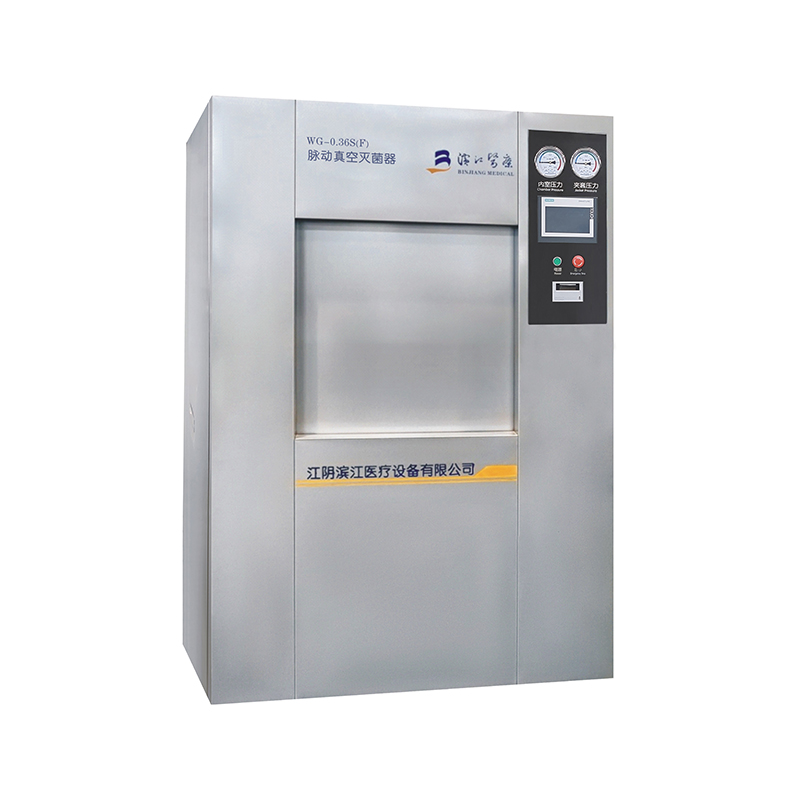
- Technical depth in steam sterilization — Look beyond the temperature gauge. The true test is whether the manufacturer’s pulse vacuum systems routinely pass a Bowie‑Dick test in under eight minutes and can dry porous loads without wet packs. Ask for engineering benchmarks on vacuum pump displacement and chamber pressure ramp rates; these reveal whether the machine was born in a lab or a real hospital.
- Certification footprint — A single CE mark under the Medical Device Regulation is the baseline. But a manufacturer that also holds ISO 13485, FDA 510(k) clearance, and compliance with ASME BPVC for pressure vessels signals a factory that has survived multiple third‑party audits. Certification breadth maps directly to the number of markets your equipment can legally enter.
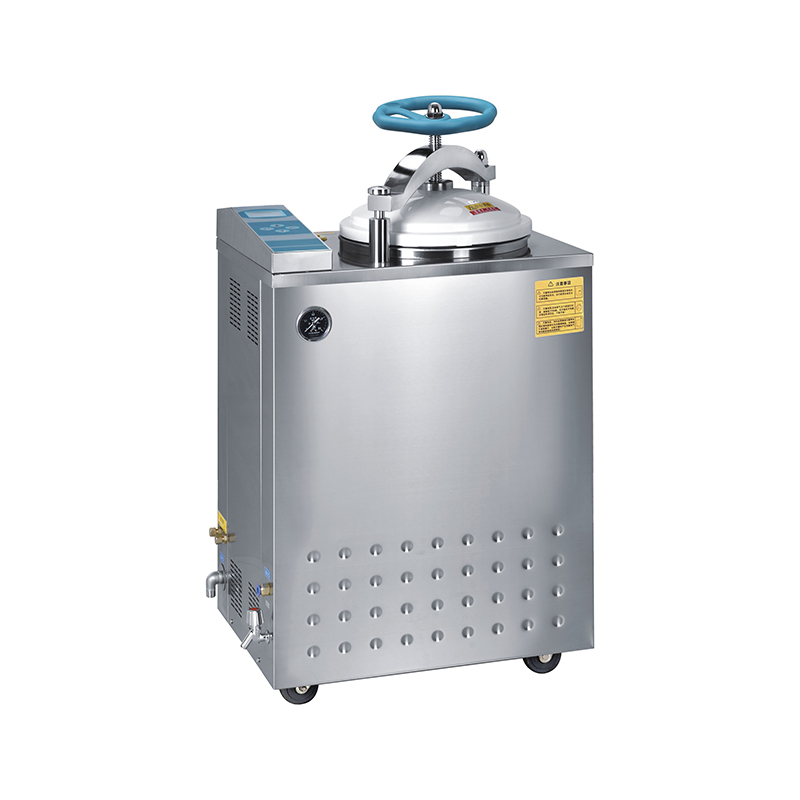
- Product line completeness — Can the same manufacturer equip your main CSSD, your outpatient clinics, and your laboratory? A portfolio that stops at large horizontal autoclaves leaves you to piece together service contracts from three different suppliers for dental handpiece sterilizers or portable field units. A cohesive line with portable pressure steam sterilizers, vertical models, and pulse vacuum chambers simplifies training and spare parts management.
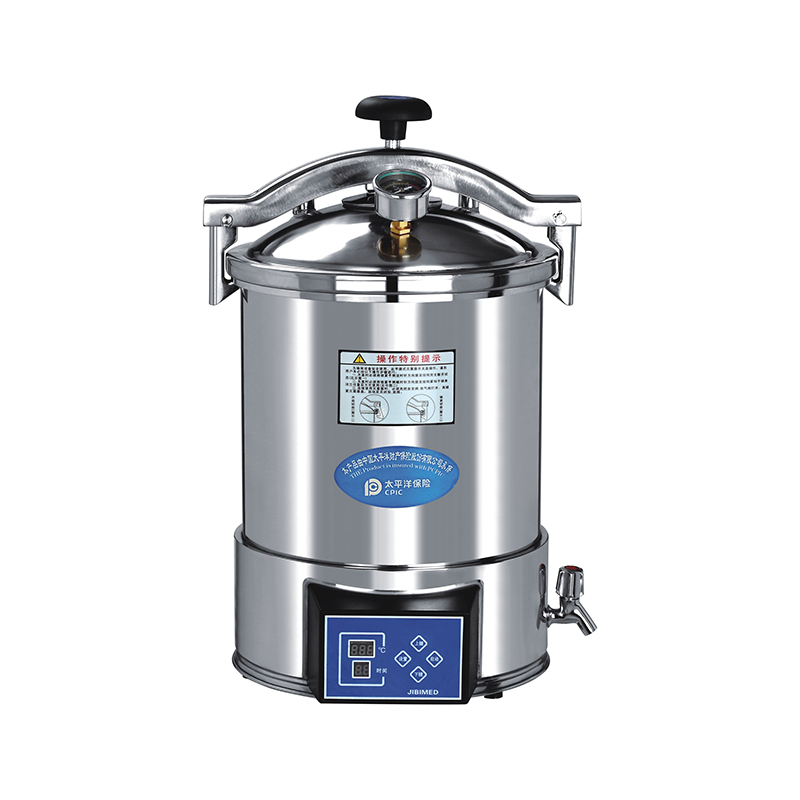
- Global service responsiveness — Sterilizer downtime is measured in cancelled surgeries. Confirm that the manufacturer has regional service partners or direct‑hire engineers who can reach your facility within 24 hours. Scrutinize the parts depot network: a critical board or door gasket that spends two weeks in customs creates a much larger financial black hole than the purchase price difference.
- Verifiable customer evidence — A glossy brochure means nothing without real hospital names and installation images. Demand video testimonials, LinkedIn profiles of long‑tenured biomedical engineers on the manufacturer’s staff, and factory audit reports. If a supplier hesitates to share a reference list, treat that hesitation as a failed test.
These five criteria are not independent. A manufacturer strong on certification but weak on field service will leave you stranded, while one with excellent service but no pulse vacuum expertise limits your tray complexity. Only the intersection of all five predicts a reliable long‑term partnership.
Manufacturer Type 1: Industry Multinationals — Strengths and Trade-offs
A handful of publicly traded, century‑old corporations dominate the top tier of hospital sterilizer manufacturing. Their research campuses develop novel sterilization chemistry, and their regulatory affairs teams move faster than most regulators. A CSSD manager inheriting one of their machines rarely questions build quality.
That engineering heritage comes at a price. These giants typically structure their product lines around high‑volume central processing departments in large academic medical centers. The moment a procurement officer needs a smaller, semi‑automatic bench‑top unit for a rural outreach clinic or an outpatient surgery center, the quote often balloons with non‑standard engineering charges and lead times that stretch past six months. Their sales incentives reward large, multi‑year capital equipment deals, so a single, modest order can feel orphaned.
The service model reflects the same logic. Direct‑hire technicians are concentrated in Tier‑1 cities and affluent regions. A hospital in a secondary market may wait days for a visit, while paying premium travel rates. And when that hospital asks for a dual‑fuel (electric and LPG) sterilizer to cope with an unstable grid, most multinational catalogues fall silent. Their design philosophy is optimized for a world of stable infrastructure, not for creative improvisation.
That gap does not make these manufacturers poor choices; it simply defines their sweet spot. If you represent a 1,000‑bed teaching hospital with a dedicated CSSD mezzanine and a budget aligned to a 15‑year lifecycle, these firms belong on your shortlist. But if your sterilizer must serve a 50‑bed district hospital with intermittent power and a technician who doubles as the facility manager, the profile below becomes far more relevant.
Manufacturer Type 2: Regional Specialists and Agile Exporters
Between the behemoths and the anonymous trading companies sits a group of manufacturers that has quietly reshaped hospital sterilization in emerging markets. These firms typically operate leaner R&D departments but compensate with manufacturing flexibility and an ear tuned to practical field conditions.
Take JIBIMED as an illustration. The company has built its export reputation not by trying to out‑spend multinationals on marketing, but by solving specific infrastructure pain points. When a network of clinics in West Africa needed sterilizers that could run off bottled LPG because the grid failed for eight hours a day, JIBIMED delivered validated portable models that maintained the same 132 degree Celsius cycle integrity as hard‑wired electric units. That same manufacturer also supplies a full spectrum of horizontal pulse vacuum steam sterilizers for large CSSD departments, so a national health procurement agency can consolidate purchases under one warranty umbrella.
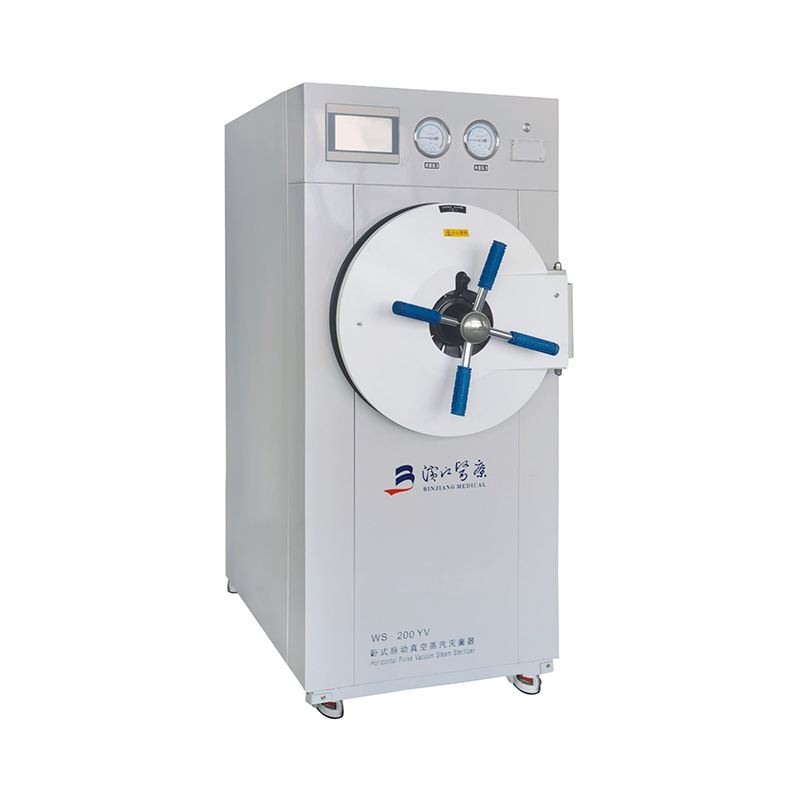
Agile exporters usually maintain multilingual documentation packs and will pre‑register devices with local regulatory bodies before the first shipment. Their engineering teams are often willing to co‑develop custom tray configurations or add‑on data loggers without invoking months of change‑order bureaucracy. And because their overhead structure is lighter, the five‑year total cost of ownership can land 30–40 % below an equivalent multinational quote, even after factoring in a slightly higher frequency of preventive maintenance visits.
The prudent buyer does not take these claims at face value. Confirm that the manufacturer runs its own pressure‑vessel welding shop, rather than outsourcing to a nameless third party. Request a video walkthrough of the factory floor. And always check whether the company exhibits at recognized international trade fairs such as MEDICA or FIME, because a booth at a major show is one of the strongest signals that the operation is real and bankable.
Comparing Steam, Plasma, and Dry Fog: Which Technology Does Your Hospital Need?
Evaluating a manufacturer’s product catalogue forces a technology decision. Today’s hospitals rarely rely on steam alone; they add low‑temperature modalities for heat‑sensitive instruments and environmental decontamination. The table below distills the practical differences that influence manufacturer selection.
| Technology | Typical Cycle Time | Material Compatibility | Single-Cycle Consumable Cost | Best Suited For |
|---|---|---|---|---|
| Gravity & Pulse Vacuum Steam (121–134 degree C) | 20–60 min (plus drying) | Stainless steel instruments, linens, glassware, some rubber | Low (water + electricity) | General surgical packs, hollow‑body instruments, porous loads |
| Low‑Temperature Hydrogen Peroxide Gas Plasma | 45–75 min | Heat‑sensitive electronics, cameras, endoscopes, polymers | Moderate (proprietary H₂O₂ cassettes) | Minimally invasive surgical devices, orthopedic power tools |
| Dry Fog / Vaporized H₂O₂ for Spaces | 15–120 min per room (depending on volume) | Room surfaces, air, equipment exteriors | Low‑Moderate (H₂O₂ solution, electricity) | Operating theater terminal disinfection, ICU outbreak control, cleanroom bioburden reduction |
Steam remains the backbone of every CSSD. A manufacturer that cannot demonstrate a robust pulse vacuum cycle with validatable drying should be eliminated immediately. The space sterilizers in the third row address a different risk: airborne and surface bioburden that steam never touches. Hospitals that have adopted combined protocols (steam for instruments, dry fog for ORs and isolation suites) report shorter turnaround times between surgical cases and lower environmental culture positivity rates.
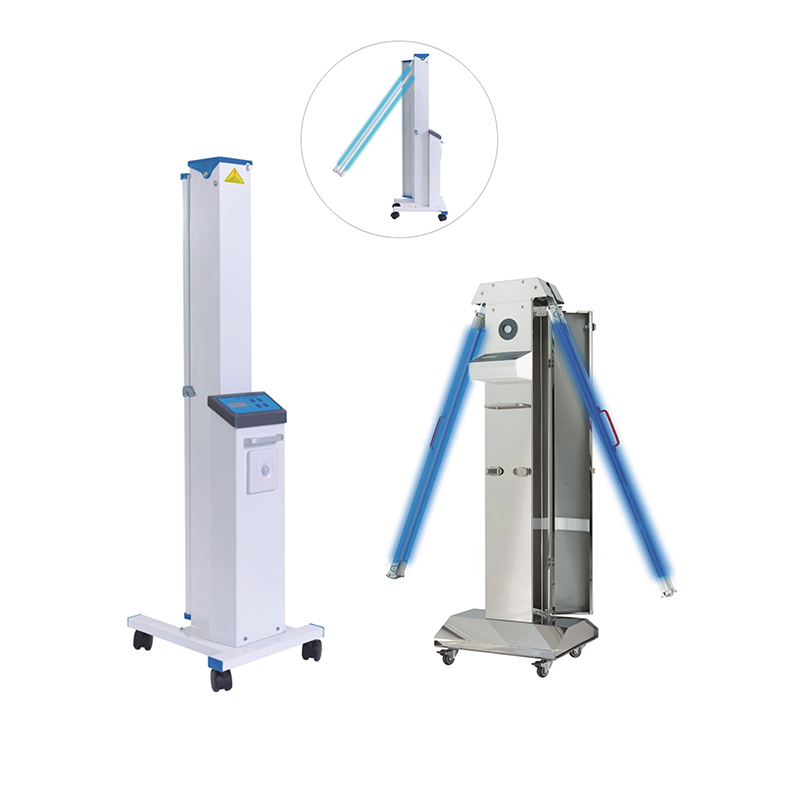
When approaching a manufacturer, ask whether they can supply both steam and space sterilizers under one quality management system. A factory that designs both categories under the same ISO 13485 certificate usually has a deeper understanding of microbial kill kinetics than one that simply resells a fogger with a branded label. The synergy reduces validation headaches during health authority inspections.
How to Verify a Manufacturer’s Credentials and Global Reach
A factory’s website can feature the same stock photographs as a dozen others. Do not rely on digital surface alone. Use these four verification methods to separate substance from imitation.
- Public certification databases — Look up the manufacturer’s CE certificate number on the European Commission’s NANDO database or search the FDA 510(k) database for their device listing. A certificate that was issued recently but lacks supporting audit history is a red flag.
- Trade fair attendance history — Search the online exhibitor lists of MEDICA, FIME, or Arab Health for the last three editions. A manufacturer that has maintained a physical booth year after year is investing in relationships, not chasing one‑off orders.
- Unscripted customer evidence — Request a reference call with a current hospital user, preferably in a country similar to yours. Ask the reference direct questions about install quality, turnaround time on spare parts, and the technician’s language fluency. Record the call notes as part of your procurement file.
- Factory audit readiness — Propose a video‑based factory tour covering the welding bay, the control assembly station, and the finished‑goods testing area. A manufacturer that immediately agrees and suggests a time slot is comfortable with its processes. One that deflects or promises photos instead has something to hide.
One additional signal is staff longevity visible on professional networks. A contingent of biomedical engineers and quality managers who have stayed with the company for more than five years suggests internal stability and institutional knowledge accumulation, both of which directly affect your equipment’s lifecycle support.
Procurement Checklist: Questions to Ask Before Signing a Contract
Price negotiations often compress the time available for technical scrutiny, but a few well‑placed questions can prevent a painful post‑purchase correction.
- What is the guaranteed cycle time from door‑close to dry‑complete for a full 15‑kg porous load? Coax a written specification, not a verbal estimate.
- Are the chamber and jacket fabricated from 304 or 316L stainless steel, and can you provide mill certificates? 316L offers superior pitting resistance in coastal or high‑chloride water environments.
- Which vacuum pump model is installed, and is the pump duty cycle rated for continuous shift operation? A listed make and model enables independent verification of parts availability.
- Does the control system support 21 CFR Part 11 compliant electronic signatures and exportable cycle logs in both PDF and CSV formats? This becomes non‑negotiable for FDA‑audited facilities.
- What is the standard warranty period on the chamber, the heating elements, and the control board, and are extended warranty options available?
- How many field service engineers do you employ directly in our region, and can you guarantee a 24‑hour on‑site response time in a written service level agreement?
- Do you maintain a bonded local spare parts warehouse, or do critical components ship from the factory with a multi‑week lead time?
- Are OEM and private‑label arrangements possible, and what is the minimum order quantity for custom branding? This matters for distributors building their own brand equity.
- Will you provide factory‑certified installation and user training at no additional cost, and can that training be repeated for new staff 12 months later?
- Can you supply a detailed list of consumables (seals, filters, gaskets) with their replacement intervals and individual prices upfront, so we can calculate a realistic five‑year operational budget?
Print this list and bring it to every negotiation. The manufacturer’s willingness to answer each point precisely — and in writing — is itself a powerful screening tool.
Conclusion: Building a Long-Term Partnership with Your Sterilizer Supplier
Selecting a hospital sterilizer machine manufacturer is not a transaction; it is the start of a relationship that will span multiple budget cycles, staff turnovers, and technology upgrades. The five criteria introduced in this guide — technical depth, certifications, product line completeness, service reach, and verifiable customer evidence — act as a permanent filter. They keep you focused on engineering substance rather than promotional language.
During the evaluation, map each candidate against the technology comparisons and the procurement checklist above. A manufacturer that can comfortably discuss both a portable LPG sterilizer for your remote clinic and a pulse vacuum chamber for your main OR block has the operational breadth you need as your hospital network expands. Read the contract’s fine print, but read the manufacturer’s behavior even more carefully. A partner that answers your tenth question with the same patience as the first is one you can trust to be there when the autoclave door won’t seal at 2 a.m. That reliability is what you are really buying.