English
 русский
 Français
 Español
 Indonesia
 Deutsch
 عربى
 中文简体

A Guide to the Key Parts of the Autoclave: Chamber, Steam, and Controls
Posted by Admin | 26 Oct
Content
- 1 The Pressure Chamber and Door: Where Sterilization Happens
- 2 Steam Generation, Air Removal, and the Vacuum System
- 3 Control Systems, Sensors, and Safety Devices
- 4 Drain, Exhaust, and Drying Components
- 5 How the Parts Work Together
- 6 Maintenance Habits That Keep Every Part Reliable
- 7 Conclusion: Know the Parts, Trust the Process
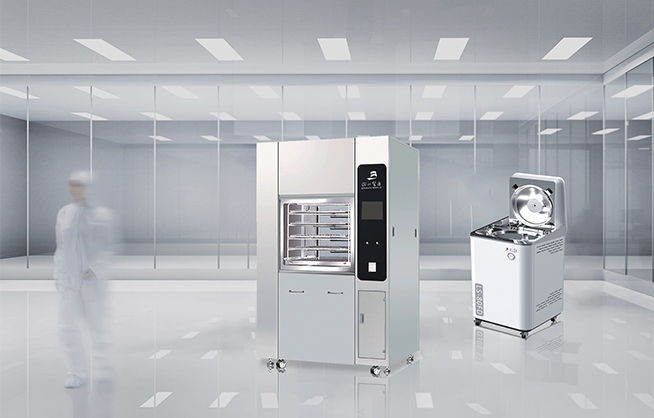
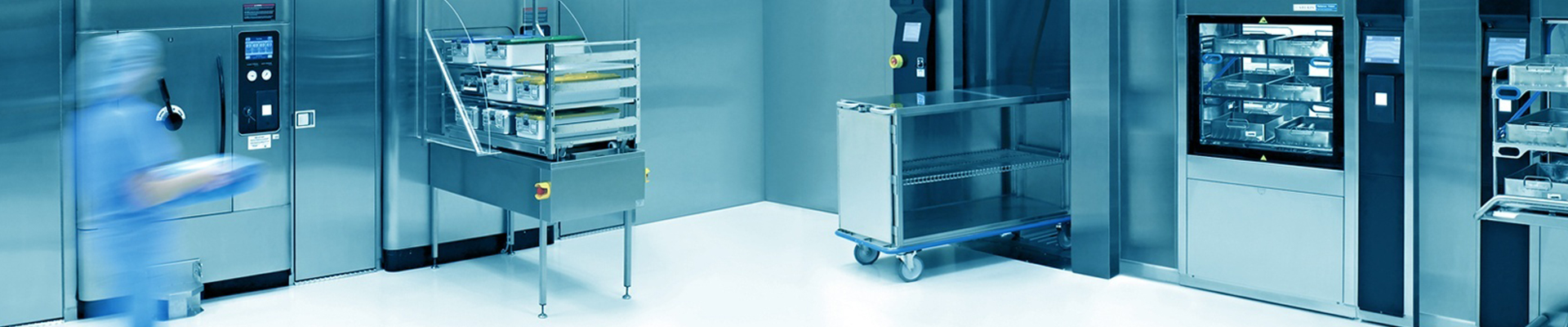
If you work with sterile instruments, you already know that an autoclave is more than a sealed box. It is a coordinated system of chambers, valves, sensors, and safety features. Understanding the parts of the autoclave helps operators load it correctly, spot early warning signs, and keep every cycle dependable. At JIBIMED, we have built sterilization equipment for more than 25 years, and we still find that the best troubleshooting starts with knowing what each component does. This guide walks through the main parts in plain language, with practical notes from the workshop floor.
The Pressure Chamber and Door: Where Sterilization Happens
The pressure chamber is the heart of the autoclave. It is a strong vessel, usually with an inner chamber and an outer jacket, designed to hold steam under pressure. The jacket helps preheat the chamber and reduces condensation during the cycle. Chamber size and shape vary widely: horizontal units suit large loads and trolley loading, vertical units save floor space, and tabletop units fit smaller clinics and laboratories.
In our horizontal range, for example, the chamber is matched to a microcomputer control system that manages temperature, pressure, and cycle stages. That pairing matters because a well-built chamber still depends on stable steam and accurate feedback. Operators should inspect the chamber interior for scale, residue, or damage before loading, and they should never overload it beyond the manufacturer’s stated capacity.
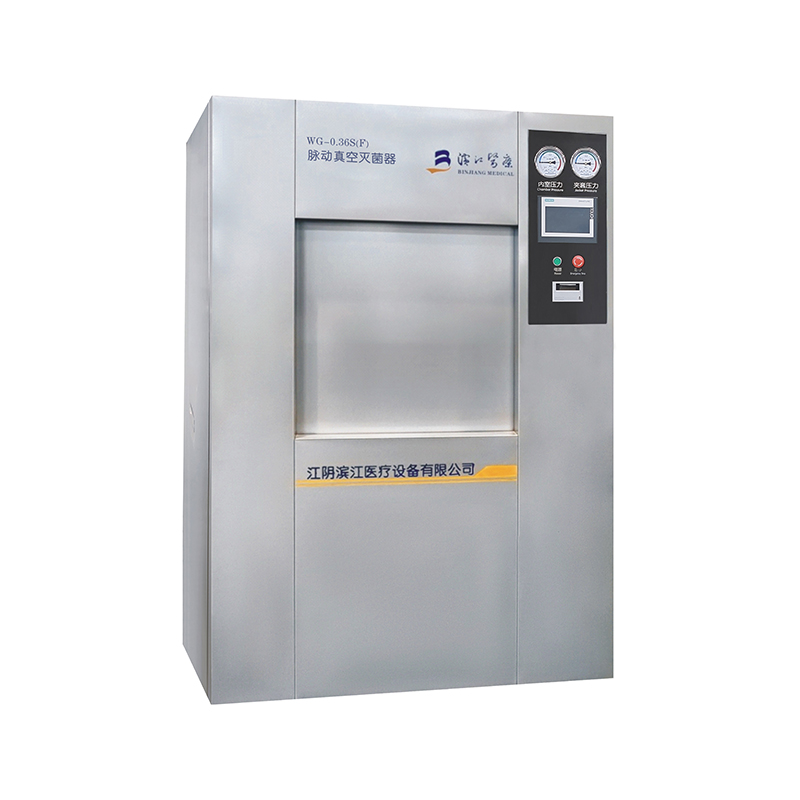
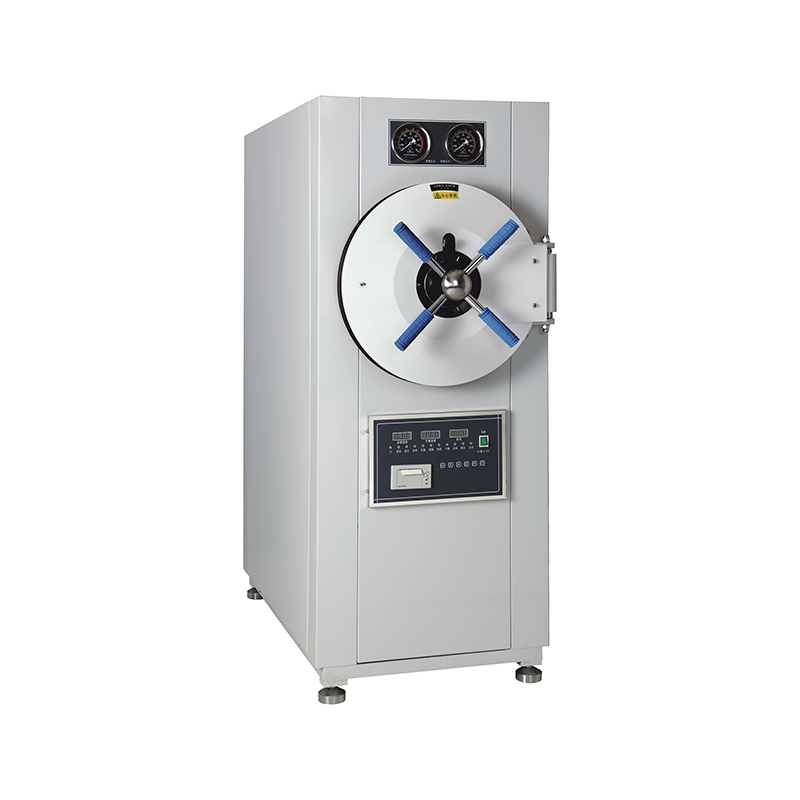 Microcomputer Horizontal Pressure Steam SterilizerA horizontal steam sterilizer with microcomputer control, drying, and door interlock, suited to documented healthcare sterilization where chamber and door safety matter.View Product →
The door and its gasket are just as important as the chamber itself. The door must seal tightly and lock safely. A worn gasket, a damaged sealing surface, or a misaligned lock can leak steam, prolong cycles, or create a safety risk. Most modern doors include an interlock that prevents opening while the chamber is pressurized. During daily checks, look for cuts, hardening, or residue on the gasket, and follow the manufacturer’s cleaning and replacement schedule.
Steam Generation, Air Removal, and the Vacuum System
Steam is the working agent in a pressure steam sterilizer. Some units have an integrated steam generator; others use a heating element in the chamber or an external steam supply. The generator turns water into saturated steam, and the quality of that steam matters. Dissolved minerals, impurities, and carryover can scale heating surfaces, block valves, and reduce heat transfer. That is why water treatment and routine blowdown are not optional extras; they are part of the sterilization process.
Air removal is the next critical step. If air remains in the chamber, it forms pockets that prevent steam from contacting the load. Gravity displacement autoclaves push air out through a drain or vent, while pre-vacuum models use a vacuum pump to remove air before sterilization. Pre-vacuum cycles are especially useful for porous loads, wrapped instruments, and hollow devices. Water quality and air removal work together; poor steam quality can undermine even a well-designed vacuum system.
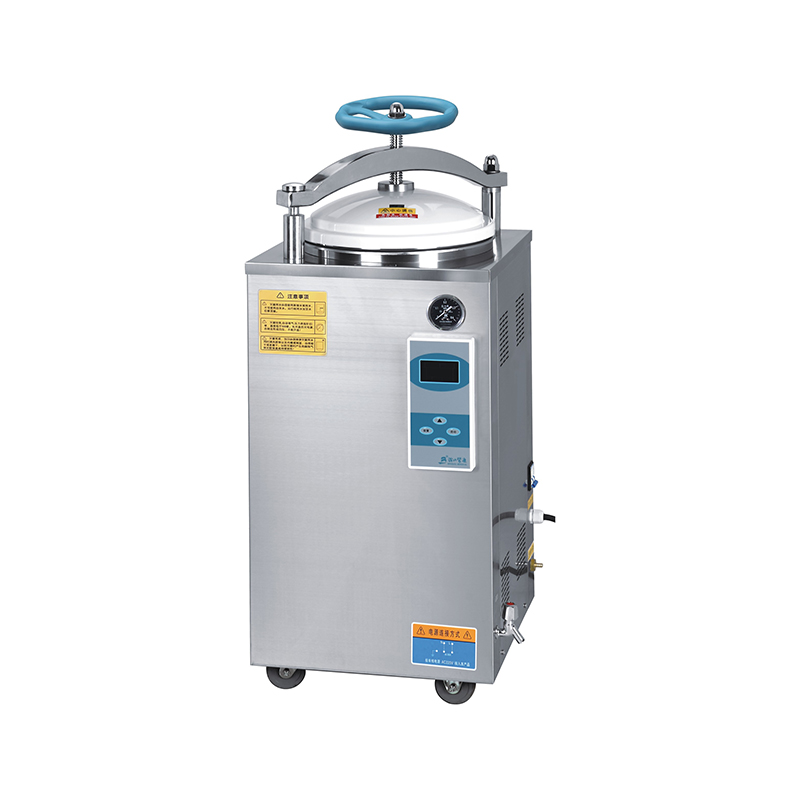
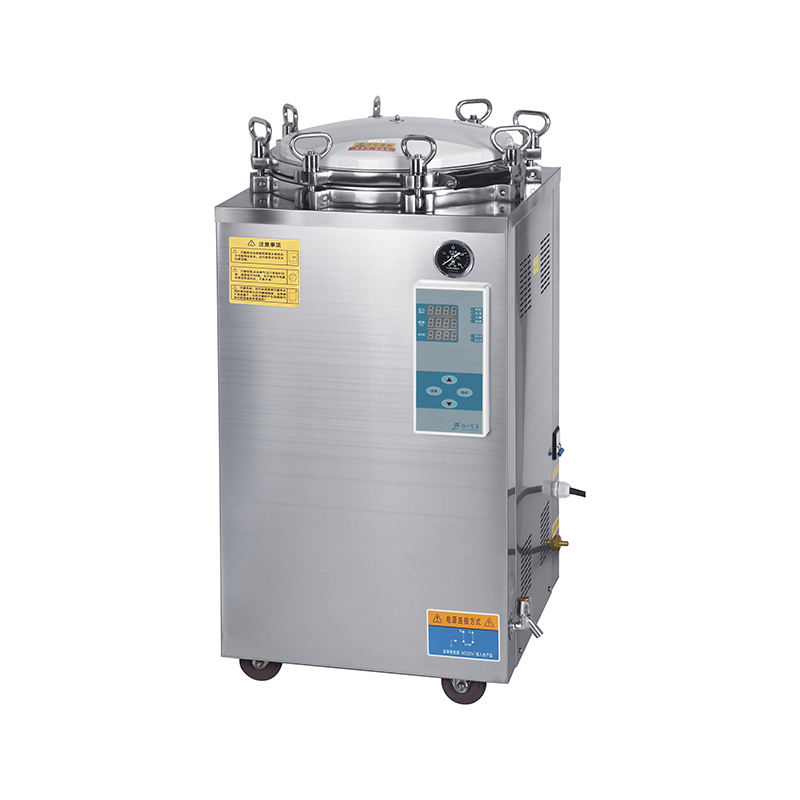
For facilities that need reliable air removal in a vertical footprint, our vertical pulse vacuum steam sterilizer combines a compact chamber with a pre-vacuum cycle. It is a practical option when floor space is limited but wrapped loads still need consistent steam penetration.
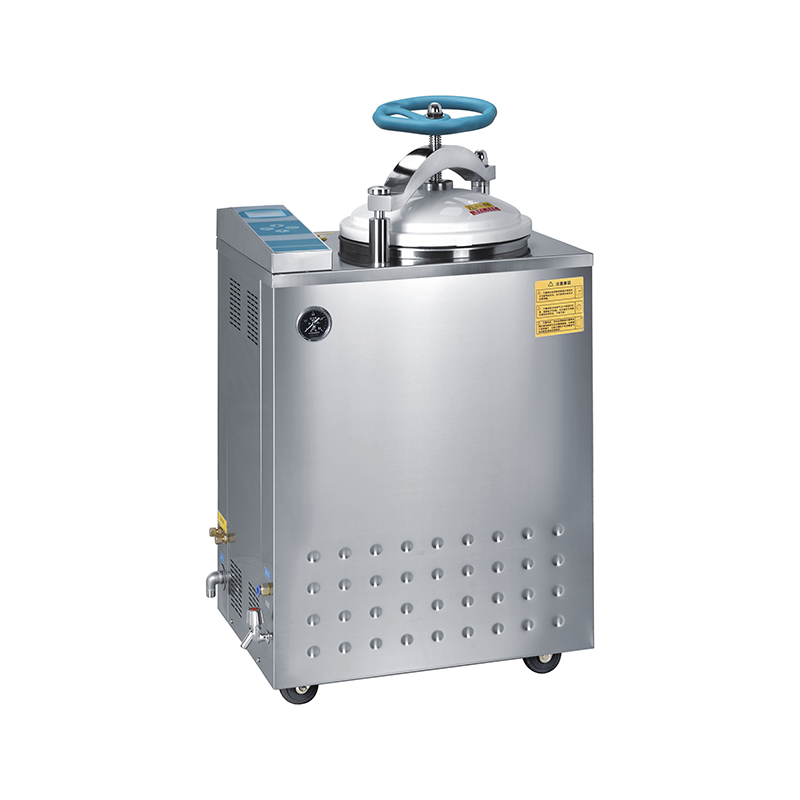
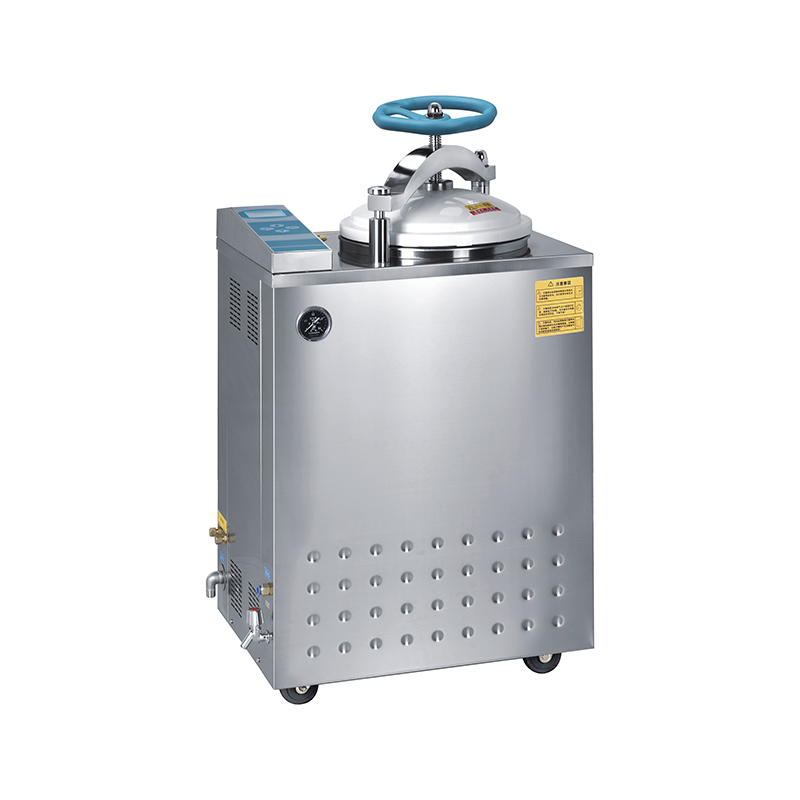 Vertical Pulse Vacuum Steam SterilizerA compact vertical sterilizer with pulse vacuum air removal, suited to wrapped loads in limited floor space and to monitoring vacuum performance.View Product →
Whichever design you use, listen to the machine during air removal. A vacuum pump that sounds labored, a drain that stays open too long, or a cycle that repeatedly fails the Bowie-Dick test can point to a problem in this part of the system.
Control Systems, Sensors, and Safety Devices
The control system is the autoclave’s brain. It reads temperature and pressure sensors, sequences the valves and pump, and decides when the cycle can move from one stage to the next. Mechanical controls rely on gauges, timers, and operators; microcomputer controls add programmable cycles, digital displays, data logging, and fault codes. Neither type removes the need for trained operators, but a good control system makes repeatable cycles easier to achieve and document.
Sensors and gauges provide the feedback the controller needs. Pressure gauges show chamber and jacket pressure, while temperature sensors, often resistance temperature detectors, track steam and load temperature. Independent safety devices sit outside the control loop. A safety valve relieves excess pressure, and over-temperature or over-pressure cutouts stop the cycle if limits are exceeded. Never plug, paint over, or ignore a safety valve; it is a last line of defense, not a tuning point.
For small clinics and dental practices, a Class B tabletop pulse vacuum sterilizer offers pre-vacuum performance in a compact cabinet. The control system on these units is usually designed for simple cycle selection and clear end-of-cycle confirmation, which helps busy teams stay consistent.
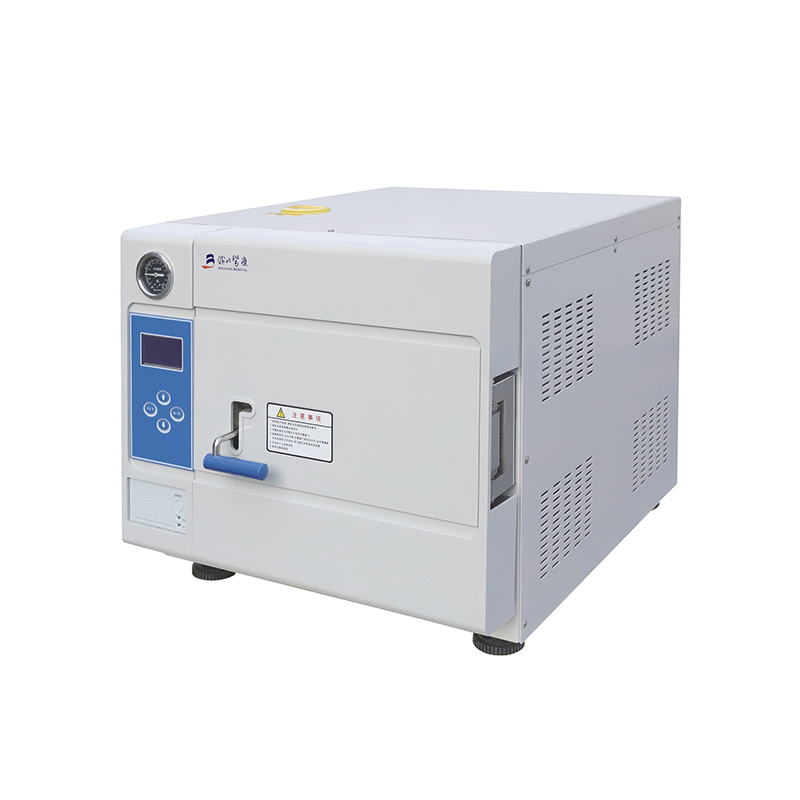 Class B Tabletop Pulse Vacuum Steam SterilizerA Class B tabletop sterilizer with pulse vacuum and cycle documentation, suited to small clinics and dental teams monitoring temperature, pressure, and alarms.View Product →
When you review a cycle, look at the whole picture: temperature, pressure, time, and the alarms. A single odd reading may be a sensor issue; repeated deviations usually point to steam supply, air removal, or load preparation.
Drain, Exhaust, and Drying Components
The drain and exhaust system removes condensate and air from the chamber. It may include a wastewater cooler to reduce the temperature of discharged water before it enters the drain. Blocked strainers, closed valves, or a failed solenoid can leave water in the chamber, wet loads, or incomplete air removal. A routine check of the drain line is one of the simplest ways to avoid mysterious cycle failures.
Drying is optional on some autoclaves but essential for others. Wrapped instruments and porous loads need effective drying to stay sterile after the cycle. Some units use a vacuum drying phase; others rely on a heated jacket or a separate drying oven. If loads come out damp, check the drain, the vacuum performance, and the drying time before assuming the sterilizer is failing.
How the Parts Work Together
During a typical pre-vacuum cycle, the parts follow a sequence. The door locks, the vacuum pump removes air, steam enters the chamber, and the control system holds the required temperature and pressure for the set time. After sterilization, exhaust and drain remove steam and condensate, and the drying phase reduces residual moisture. Every component has a role, and a weakness in one area often shows up as a symptom in another.
| Part | Primary function | Practical check |
|---|---|---|
| Pressure chamber | Holds the load and pressurized steam | Inspect interior for scale, debris, and damage |
| Door and gasket | Seals the chamber and locks safely | Clean gasket; check for cracks or hardening |
| Steam generator | Produces saturated steam | Check water quality and descale as scheduled |
| Vacuum pump | Removes air before sterilization | Listen for unusual noise; verify vacuum level |
| Control system | Runs the cycle and records data | Review alarms and calibration records |
| Safety valve | Relieves excess pressure | Test or inspect at recommended intervals |
Use this table as a quick reference, not a substitute for the service manual. The exact checks depend on your model, load type, and local regulations.
Maintenance Habits That Keep Every Part Reliable
Most autoclave problems are preventable. A short daily routine and a disciplined service schedule protect the parts you have already paid for. In our experience, the following habits make the biggest difference:
- Clean the chamber and door gasket at the end of each day, using compatible cleaners and avoiding abrasive pads.
- Check the water supply and steam quality; follow the manufacturer’s limits for hardness and contaminants.
- Inspect filters, strainers, and drain lines for lint, scale, or debris.
- Record cycle data and review it weekly for trends, not just single alarms.
- Arrange professional inspection of safety valves, gauges, and sensors at the recommended intervals.
When a fault appears, resist the urge to adjust the safety valve or bypass an interlock. Instead, trace the symptom back to the component group: steam supply, air removal, control feedback, or drainage. That approach saves time and keeps the repair within safe limits.
Conclusion: Know the Parts, Trust the Process
An autoclave works because its parts work together. The chamber contains the load, the door seals it, steam delivers the lethal dose of heat, air removal clears the path, and the control system keeps the cycle within proven limits. Safety devices and maintenance routines protect the operator and the load. Whether you run a hospital CSSD, a laboratory, a dental clinic, or a small production line, knowing the parts of the autoclave makes you a better operator and a smarter buyer.
At JIBIMED, we build horizontal, vertical, tabletop, and portable sterilizers for healthcare, laboratory, pharmaceutical, food, and veterinary use. If you are selecting a model or troubleshooting a cycle, start with the component that matches the symptom. A clear understanding of the parts is often the fastest route to a reliable sterile load.