English
 русский
 Français
 Español
 Indonesia
 Deutsch
 عربى
 中文简体

Porous Load Sterilisers: How They Work and How to Choose the Right One
Posted by Admin | 23 Oct
Content
- 1 What Counts as a Porous Load?
- 2 Why Air Removal Decides Everything
- 3 A Porous Load Cycle, Step by Step
- 4 Matching Machine Format to Load
- 5 Steam Quality, Water and Leak Tightness
- 6 Daily Checks and Periodic Validation
- 7 Loading and Siting Details That Get Overlooked
- 8 Questions Worth Asking Before You Specify
- 9 A Final Word on Getting It Right
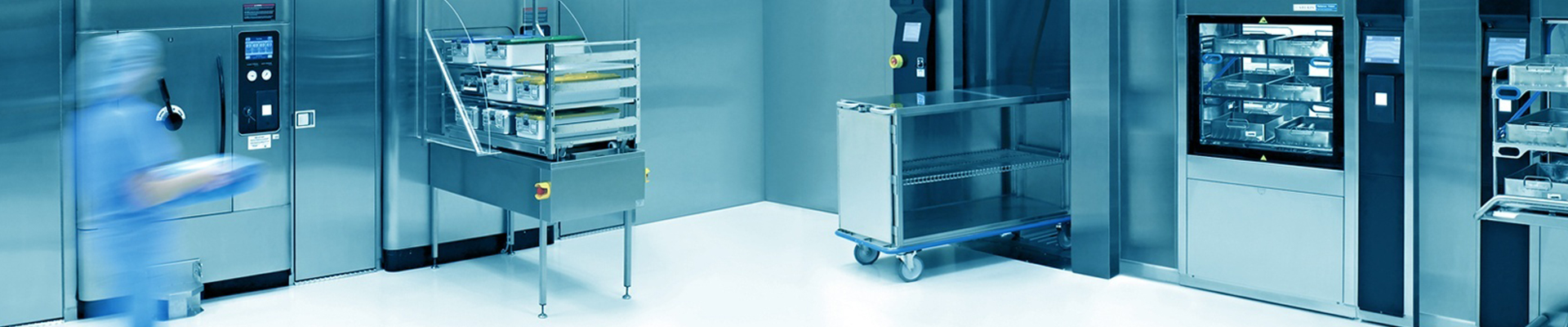
Anyone who has spent time in a sterile services department knows the sound: the heavy clunk of a chamber door locking, the low hiss as vacuum pulls against the load, then the long quiet while the temperature holds. A porous load steriliser is the machine behind that sound, and it carries one of the more demanding jobs in the building. Its load — layered textiles, wrapped gowns, drapes, dressing packs, filters and instrument sets bundled in woven or non-woven wrap — is full of trapped air that has to be removed before steam can reach the middle of a pack.
That requirement shapes everything about the machine: the depth of its vacuum system, the shape of its cycle, the way it dries a load, and the records it leaves behind. This guide walks through what a porous load actually is, why air removal decides the outcome, and what to look at when you specify a chamber.
What Counts as a Porous Load?
In plain terms, a porous load is anything that takes up steam and air through a network of fine channels rather than across a smooth surface. Steam moves through those channels slowly, and air hiding inside them is stubborn. Typical porous items include:
- Surgical gowns, drapes, towels and absorbent padding
- Dressing packs, gauze swabs and cotton wool
- Woven and non-woven sterile barrier wraps, including pouches with paper faces
- Filter cartridges, breathing system components and air filters
- Instrument trays wrapped in porous material, where the wrap itself is part of the challenge
You will also see the term written as porous load sterilizer in North American literature; the equipment and the physics are the same. What matters is the load behaviour, not the spelling.
Why Air Removal Decides Everything
Steam that meets air does not simply push it aside. The two mix, the partial pressure of the steam drops, and the temperature at the centre of a pack can fall short of the temperature your chamber probe is reporting. A pack can look perfectly processed and still be a fail. This is the single biggest reason porous goods punish shortcuts harder than smooth metal instruments.
Gravity displacement alone — letting steam rise and push air out of the bottom drain — works reasonably well for simple, loosely packed loads. It struggles with dense textile packs and long lumened items. The practical answer is mechanical air removal: repeated evacuation and steam admission, sometimes called fractional vacuum or pressure pulsing, which dilutes and draws out residual air until only a few percent remains.
The quality of that air removal is verified with an air removal test, and the reasoning behind it is worth reading before you settle on a cycle design. There is a practical explanation of the air removal test for autoclaves that covers purpose, methods and compliance in plain language.
A Porous Load Cycle, Step by Step
Although control systems differ, a well-designed porous cycle tends to follow the same broad sequence:
- Pre-purge and conditioning. The chamber is cleared of the previous load's air and warmed so condensation does not form on the load before sterilisation begins.
- Air removal. A series of vacuum stages and steam admissions pulls air out of the pack structure, with the number and depth of pulses matched to the load density.
- Sterilising hold. Steam at the chosen setpoint — commonly 134 °C for wrapped goods, or 121 °C for heat-sensitive items — is held across the load for the validated time.
- Post-vacuum drying. A deep vacuum draws moisture out of textiles, which is where many otherwise decent machines fall short.
- Pressure equalisation and aeration. The chamber returns to atmospheric pressure gently, so wrap and packaging are not stressed or torn.
- Release or quarantine. Depending on your local policy, the load is released against physical parameters, chemical indicators and, where required, biological indicators.
The drying stage deserves particular attention with textiles. A damp gown pack is no longer sterile in any meaningful sense, because moisture provides a path for organisms to travel through the wrap.
Matching Machine Format to Load
Most porous load sterilisation in hospitals happens in horizontal chambers, because that format accepts trolleys and long packs and can be built as a pass-through unit between the packing and sterile store areas. Within that family, the choice usually comes down to chamber volume, door type and how much control you want over cycle data.
| Typical load | Chamber format | Cycle notes |
|---|---|---|
| Wrapped gowns, drapes and dressing packs | Horizontal pre-vacuum, single or double door | Multi-pulse air removal and deep post-vacuum drying |
| Wrapped instrument trays and sets | Horizontal pre-vacuum | Extended drying if trays are heavy or tightly stacked |
| Mixed textile and instrument loads | Horizontal pre-vacuum with cycle printer | Print every cycle; verify against the release policy |
| Filters and breathing system parts | Horizontal pre-vacuum | Check component temperature limits before setting a cycle |
| Small porous batches, clinics, labs | Benchtop pre-vacuum class B | Validated hollow and porous load cycle, not a gravity cycle |
If you need a single chamber to handle both daily textile loads and wrapped instruments, look at the horizontal pressure steam sterilizer range first and narrow it by usable chamber volume rather than by the biggest number on the brochure.
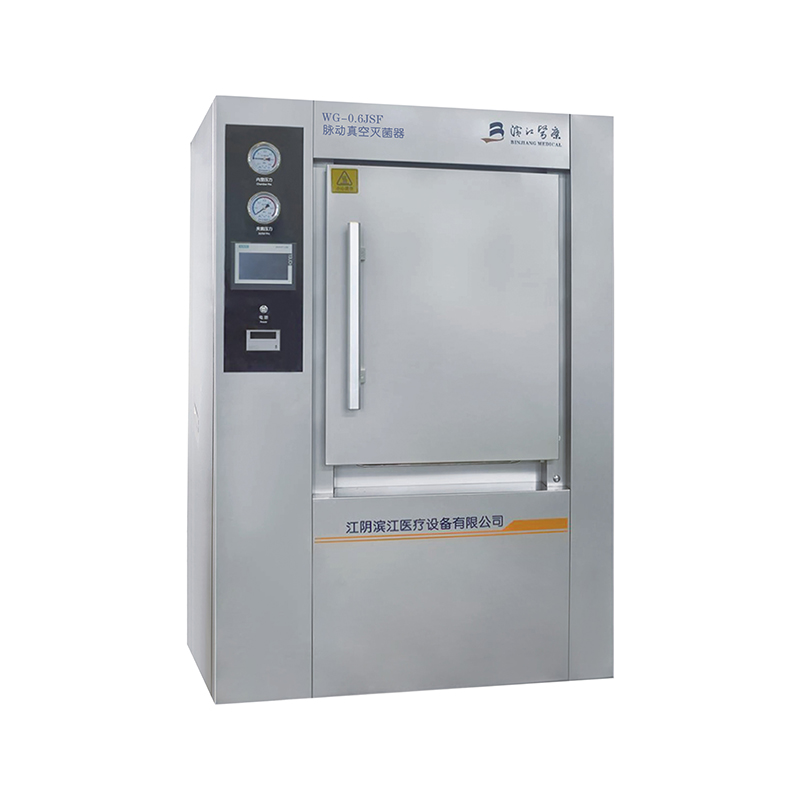 WG Pulse Vacuum Autoclave SeriesA pulsating vacuum saturated-steam sterilizer for CSSD and OR loads, offered in 255–3000 L chambers with jacket drying and Siemens controls.View Product →
Steam Quality, Water and Leak Tightness
Air removal is only half the story. Steam carrying non-condensable gases behaves very much like a load full of air, and it will pull your temperature profile down in the middle of the pack even when the pulses look perfect on the display. The usual culprits are dissolved gases in the feed water, incorrect boiler treatment chemicals, and leaks on the suction side of the system.
Two habits keep this under control. First, treat steam quality as a specification rather than an afterthought: dryness, non-condensable gas content and superheat all have limits, and they should appear in your acceptance testing. Second, run the chamber leak test on a schedule. A slow leak is easy to miss and quietly ruins air removal, because the vacuum you fought for is refilled by room air before the steam arrives. Water treatment matters too, though more for the machine's longevity than for the cycle itself; scale on heating elements and jackets shortens service life and drives up running costs.
Daily Checks and Periodic Validation
None of the engineering means much without the routine that surrounds it. A workable pattern for a busy department looks like this:
- Air removal or Bowie-Dick test at the start of each working day, on every porous load chamber in use
- Chamber leak test at the frequency set by your local standard and after any major repair
- Chemical indicators on every pack, plus internal indicators for loads where penetration is critical
- Biological indicators at the interval your policy defines, and after significant maintenance
- Cycle records reviewed and retained before any load is released
- Annual performance requalification covering temperature distribution, pressure accuracy and air removal
Where a chamber is fitted with a cycle printer or a data logger, use the record actively rather than filing it unread. A drift in the vacuum depth or the drying curve across a few weeks is usually a warning you can act on before a load fails.
Loading and Siting Details That Get Overlooked
Packs should stand on edge, loosely arranged, with space between them so steam can circulate and condensate can drain away. Trays laid flat on the chamber floor, or a chamber loaded to the door line, will produce a repeatable pattern of failure at the centre of the load. Textile packs also benefit from being cooled and dried in a controlled area rather than a draughty corridor, since a warm pack that is still shedding moisture can pick up contamination through the wrap.
The room around the steriliser matters as well. Adequate space in front of the door for trolley movement, ventilation that keeps ambient humidity down, and a clear separation between the dirty and clean sides of the department all have a direct effect on whether the machine can do its job. Where the design allows, a pass-through installation removes a whole category of cross-flow risk at the chamber door.
Questions Worth Asking Before You Specify
We have spent years building steam sterilisation equipment, and the buying conversations that go well tend to be the ones where the user has thought through the load before the machine:
- What is the heaviest pack I will process, and how dense is it?
- What usable chamber volume do I need for a full trolley, not just a nominal litre figure?
- Do I want single door or pass-through, and does the room geometry allow it?
- How will I record and release loads — printer, logger or both?
- What steam and water quality can I guarantee at the installation point?
- Who will service the chamber, and how quickly can they reach me?
Answer those six honestly and the specification usually writes itself. It is also worth asking whether a lifting-door arrangement or a larger chamber would serve you better over the next five years, because textile volumes rarely stay static.
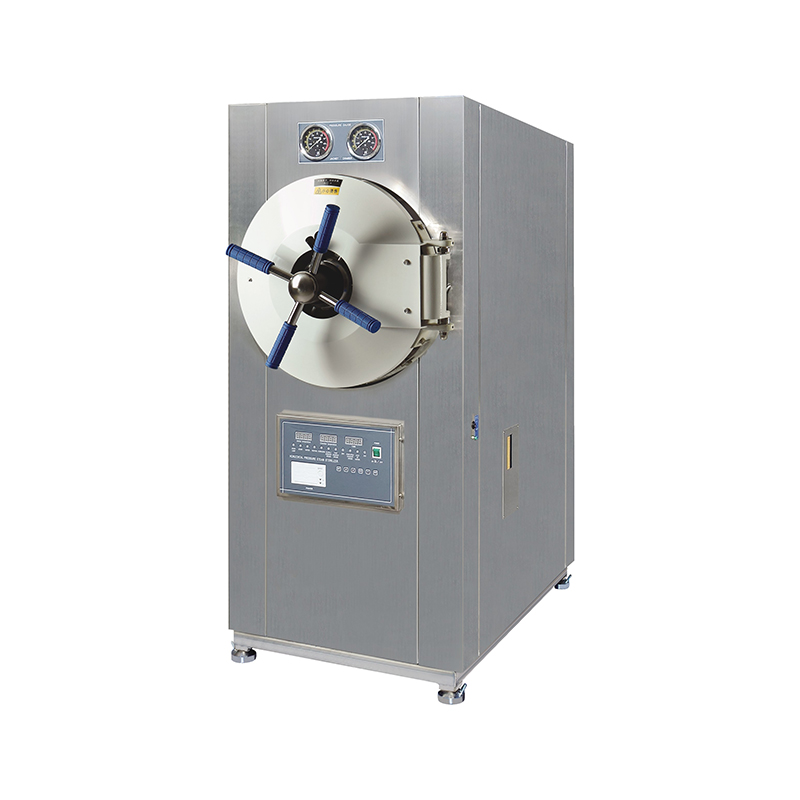 Horizontal Pressure Steam Sterilizer with PrinterFully stainless steel horizontal autoclave with cycle printer, automatic control and drying, available in 150, 200 and 280 L models for medical and laboratory use.View Product →
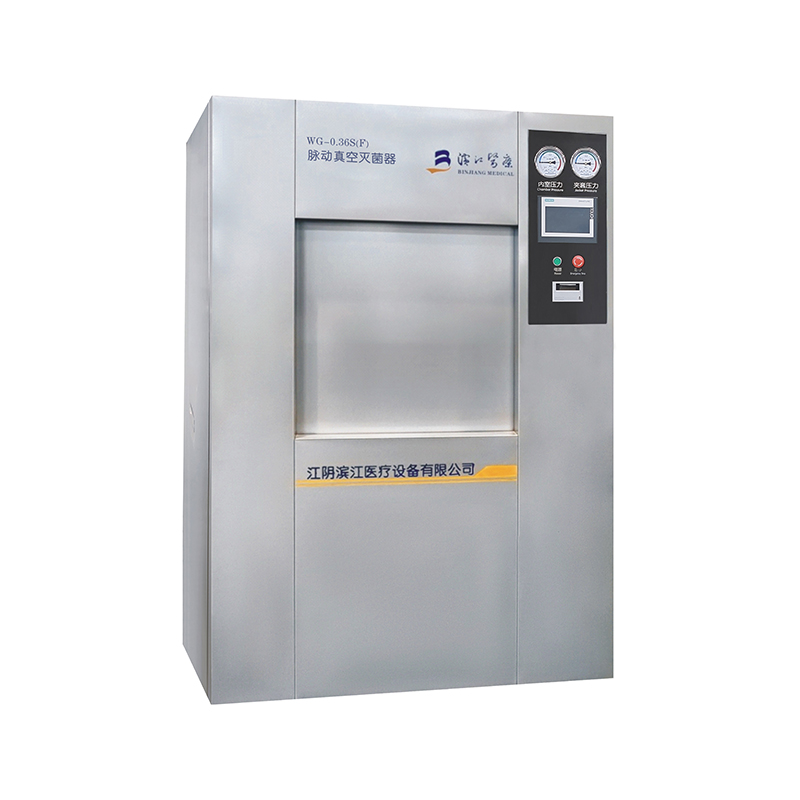 WG Series Lifting Door Pulse Vacuum AutoclaveSaturated-steam sterilizer with motor-driven lifting doors, pulsating vacuum and jacket drying, offered in 150–800 L models for pharmaceutical, medical and research loads.View Product →
A Final Word on Getting It Right
A porous load steriliser is not complicated because of its parts; it is demanding because the load is unforgiving. Get the air out, dry the load properly, keep the steam clean and the chamber tight, and verify all of it with a routine you actually follow. Do those things and the machine will quietly do its job, cycle after cycle, for years.
If you are comparing options for your department, our team is happy to talk through chamber volumes, door configurations and cycle design against the loads you actually run — no obligation, just a practical second opinion from people who build these machines every day.