English
 русский
 Français
 Español
 Indonesia
 Deutsch
 عربى
عربى 中文简体
中文简体
Autoclave Bin: Types, Materials & How to Choose the Right One
Posted by Admin | 09 May
Content
What Is an Autoclave Bin?
Drop a batch of improperly contained glassware into a sterilizer and you may spend the next four hours scraping melted plastic off the chamber walls. Autoclave bins—the trays, pans, and lidded containers placed inside steam sterilizers—exist precisely to prevent that kind of costly, time-consuming disaster.
The term covers two distinct product categories that are sometimes confused. The first is the instrument or labware tray: an open pan or basket that holds glassware, surgical instruments, or culture flasks during sterilization, catching any spills before they reach the chamber floor or drain. The second is the biohazardous waste bin: a lidded, leak-resistant container designed to hold infectious or regulated waste through an entire decontamination cycle before disposal.
The distinction matters because each type carries different design requirements. A spill tray needs perforations or drainage channels for steam penetration; a waste bin needs a secure lid and a liner that won't melt at 121 °C. Using the wrong type—or no container at all—puts your autoclave, your team, and regulatory compliance at risk.
Material Matters: Polypropylene vs Stainless Steel
Not every container that looks autoclavable actually is. The material determines whether a bin survives repeated steam cycles—or collapses the moment it's removed from the chamber and scalds the person holding it.
Polypropylene (PP) is the most common choice for autoclave bins. It withstands repeated exposure to saturated steam at 121–134 °C, resists most laboratory chemicals, and is lightweight enough to handle safely. The critical caveat: not all polypropylene is equal. Standard household storage tubs sold under retail brands are made from the same resin but are not engineered for prolonged high-temperature cycling. They may appear intact when the autoclave door opens, then fail under load—a serious burn hazard. Only bins explicitly rated for autoclave use should enter the chamber. For more on selecting containers that maintain integrity under steam pressure, see our guide on choosing safe containers for steam sterilization.
Stainless steel trays and pans are the workhorse alternative. They tolerate any autoclave temperature, won't warp or discolor over years of use, and are easy to clean. Commercial-grade steel baking pans—widely available and inexpensive—perform reliably as autoclave trays when budget is a concern. The trade-off is weight and the risk of scratching delicate glassware if the tray surface is rough.
Materials to keep out of the autoclave entirely include polyethylene (LDPE and HDPE), polystyrene, and any container not explicitly rated for steam sterilization. Corrosives, volatile solvents, and radioactive materials must never enter the autoclave regardless of the container type.
| Material | Max Temp | Best For | Limitations |
|---|---|---|---|
| Autoclave-grade Polypropylene | 134 °C | Instrument trays, waste bins, general lab use | Degrades if non-rated grade used; not compatible with some solvents |
| Stainless Steel | No practical limit | Instrument trays, heavy-duty lab use | Heavier; may scratch glassware; higher cost |
| Standard Polyethylene (LDPE/HDPE) | ~80 °C | Cold storage only | Not autoclavable — will melt or deform |
Choosing the Right Autoclave Bin for Your Use Case
The right bin depends on what you're sterilizing—and what your facility's workflow demands. Here's a practical framework.
For instrument and labware sterilization, prioritize steam penetration over containment. Choose open trays or perforated baskets that allow steam to circulate freely around the contents. Size the tray so it sits on a shelf or rack without touching the chamber floor—individual pieces of glassware should never be placed directly on the autoclave chamber bottom. Add ¼ to ½ inch of water to the tray when sterilizing liquids so that contents heat evenly.
For biohazardous waste decontamination, containment takes precedence. Bins should be leak-resistant with a lid that stays secure through pressure cycling, and they should be paired with a high-temperature bag liner rated to survive the full cycle without sticking to the container walls. Per guidance from university biosafety programs, bags and containers should be placed in a large, leak-proof, shallow secondary pan to capture any spills—adding a second layer of protection for the chamber and the operator. Biohazardous waste should reach 121 °C at 15 PSI for a minimum of 60 minutes; larger or denser loads require extended cycles verified by biological indicators. For the full regulatory framework on safe autoclave operation, the University of Illinois autoclave safety and operation guidelines provide a thorough reference.
Sizing considerations: the bin must fit the chamber without forcing a tight load that blocks steam circulation, and it must be small enough that you can remove it safely when hot. A tray that overhangs the rack or requires two people to lift out is a safety liability, not a productivity gain.
Best Practices for Loading and Using Autoclave Bins
Even a correctly chosen bin will fail to protect your autoclave if it's loaded incorrectly. These practices apply regardless of bin type or material.
- Never overfill. Overcrowded bins trap air pockets that insulate contents from steam. Solid materials should be packed loosely; biohazardous waste bags should not be compacted or sealed airtight.
- Use the bin every single cycle. Occasional spills aren't the only risk—pressure surges, stuck vents, and boil-overs happen without warning. A tray in place every time means a five-minute rinse instead of hours of chamber cleaning.
- Wear appropriate PPE when loading and unloading. Heat-resistant gloves, a lab coat, and eye protection are minimum requirements. After the cycle ends, allow contents to cool for at least 15 minutes before handling with bare hands.
- Keep clean items and waste separate. Never autoclave sterile instruments alongside biohazardous waste. Cross-contamination risks are real, and regulators treat commingled loads differently.
- Inspect the bin before each use. Cracks, warping, or discoloration are signs of material degradation—replace the bin before it fails in the chamber.
For facilities running high volumes of instrument packs, detailed loading maps specific to chamber geometry can significantly improve cycle consistency. Our resources on high-temperature loading requirements for decontamination centers and best practices for loading a horizontal steam sterilizer go deeper on load optimization for specific chamber configurations.
How Your Autoclave Affects Bin Performance
The sterilizer itself shapes what kind of bin performs best—and understanding the relationship between chamber design and bin selection helps you get the most out of both.
Gravity displacement autoclaves rely on steam pushing air downward and out through a floor drain. In these chambers, perforated trays and open baskets work exceptionally well because they don't trap air beneath them. Solid-bottom bins without drainage holes can create insulating air pockets, extending the time needed to reach full sterilization temperature throughout the load.
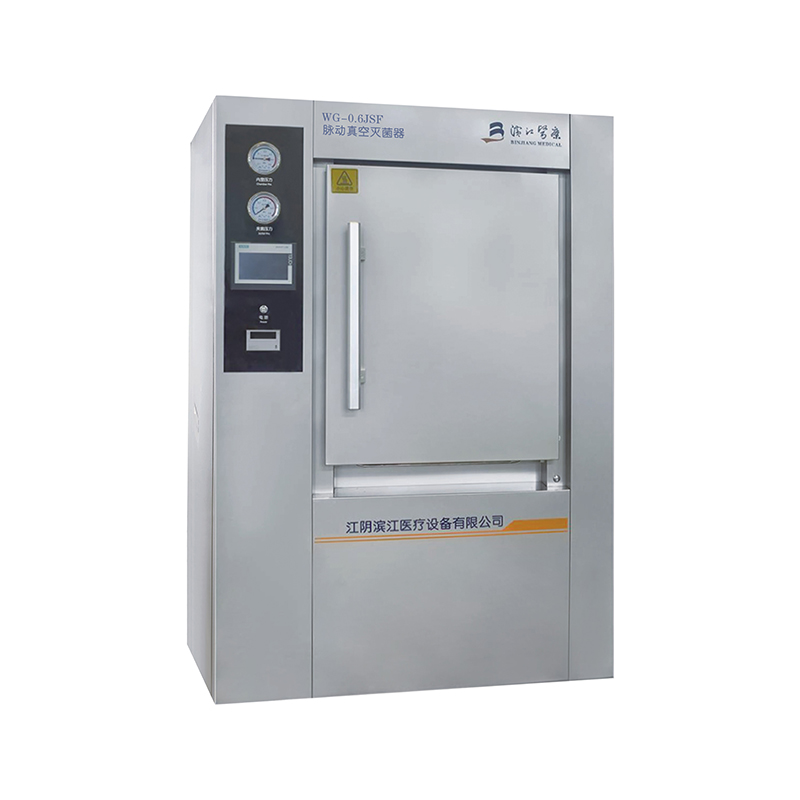
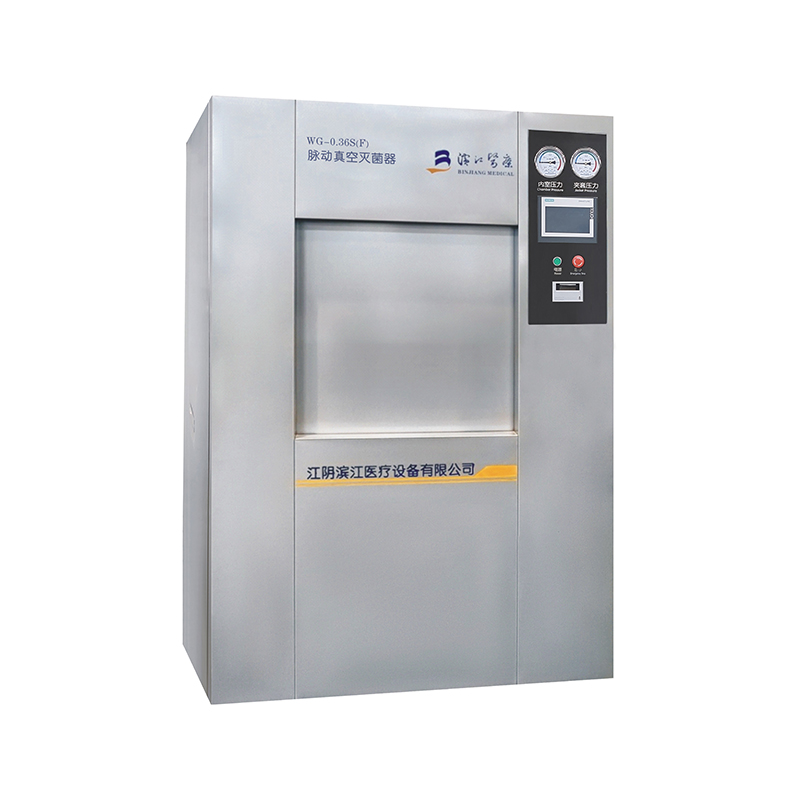
Pulse vacuum (pre-vacuum) autoclaves actively evacuate air from the chamber before steam injection, which makes them effective even with denser loads and more complex bin arrangements. The rapid, thorough steam penetration means these sterilizers are more forgiving of bin geometry—but the mechanical stress of vacuum cycling still demands materials that won't deform under repeated pressure changes.
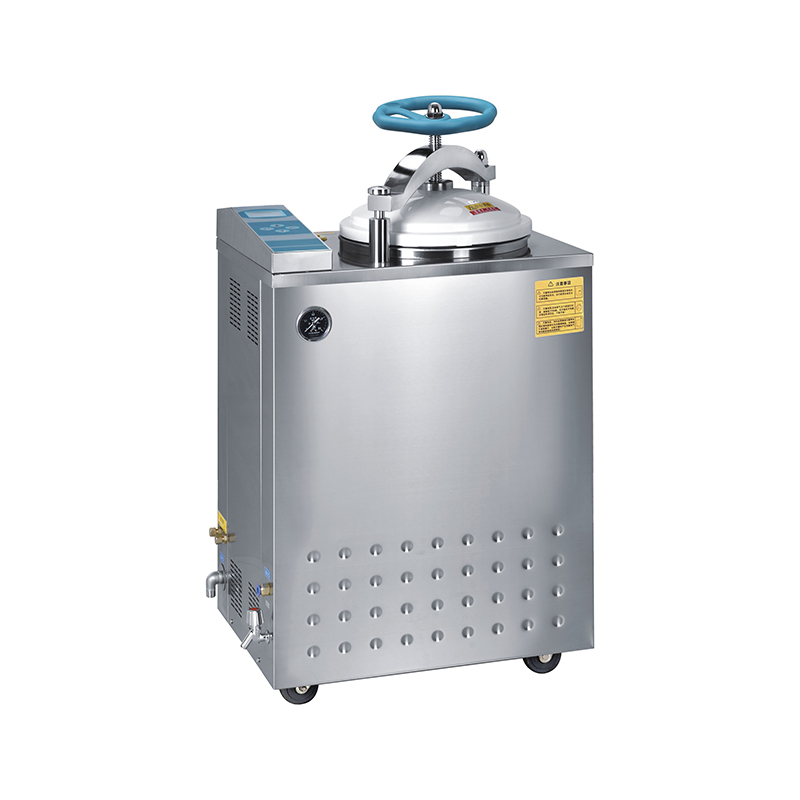
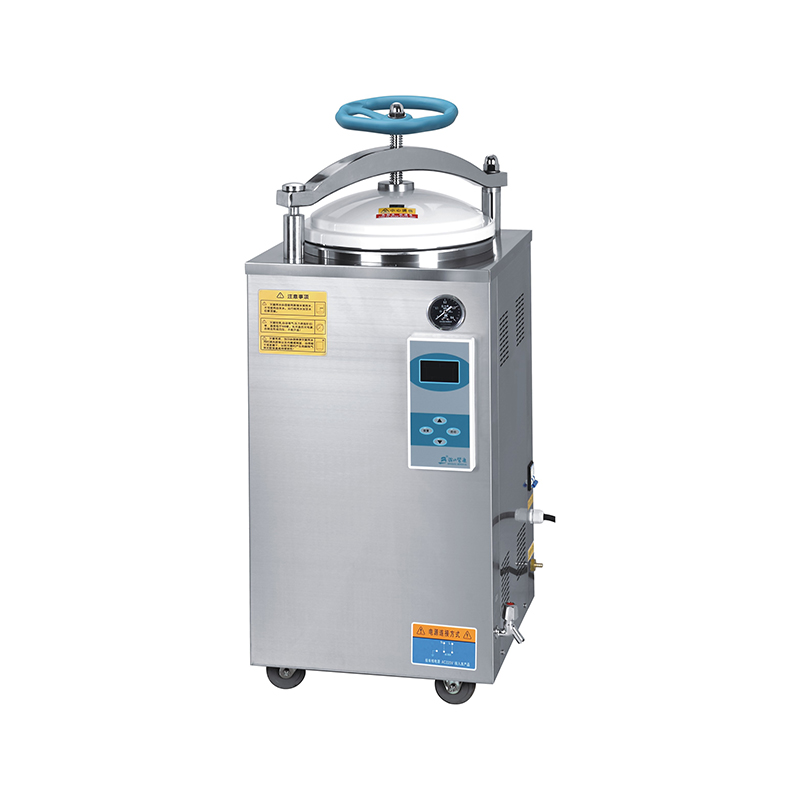
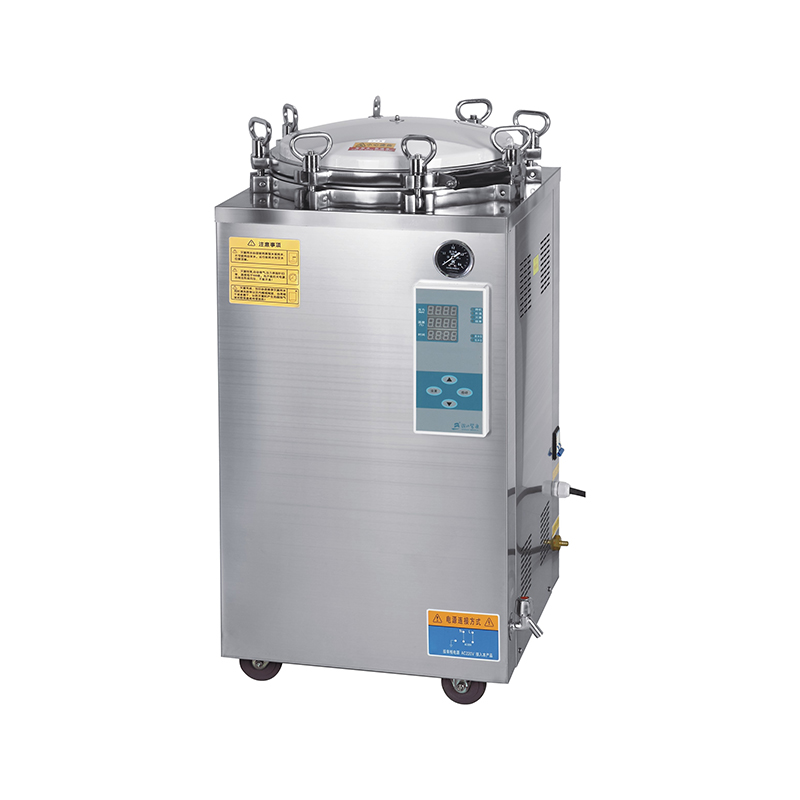
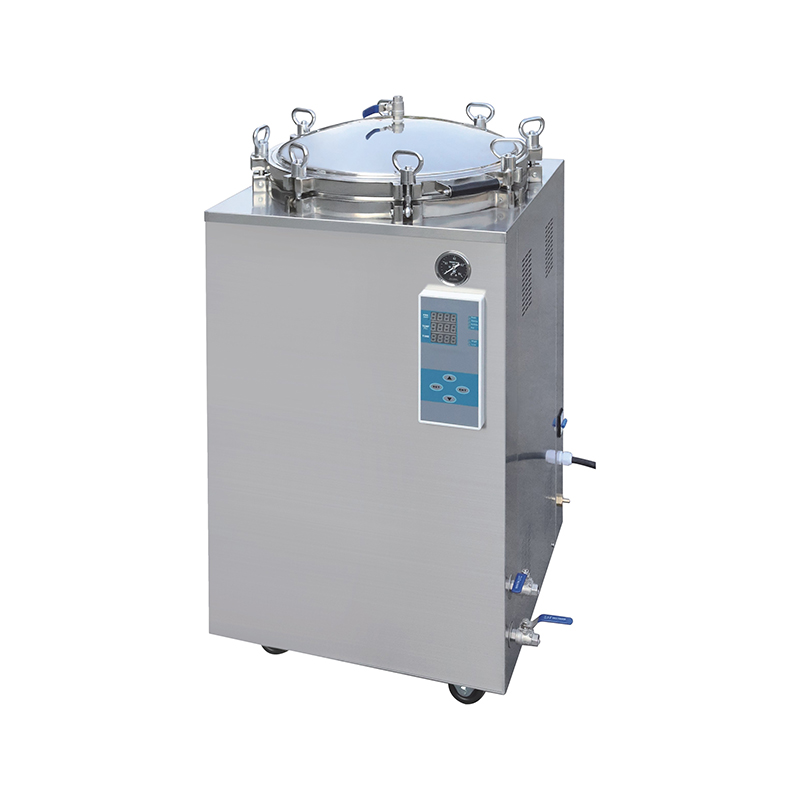
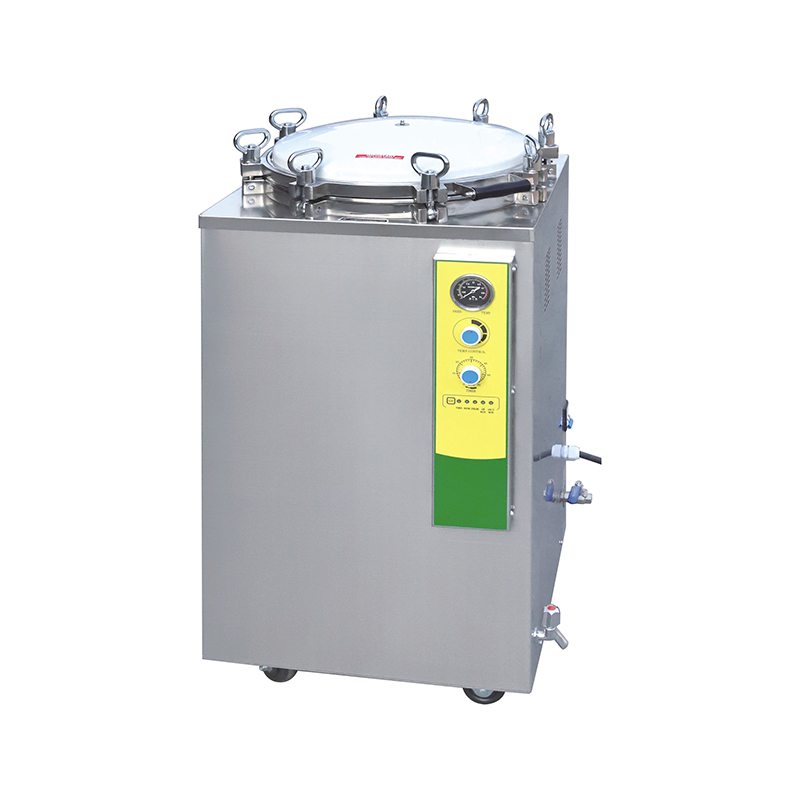
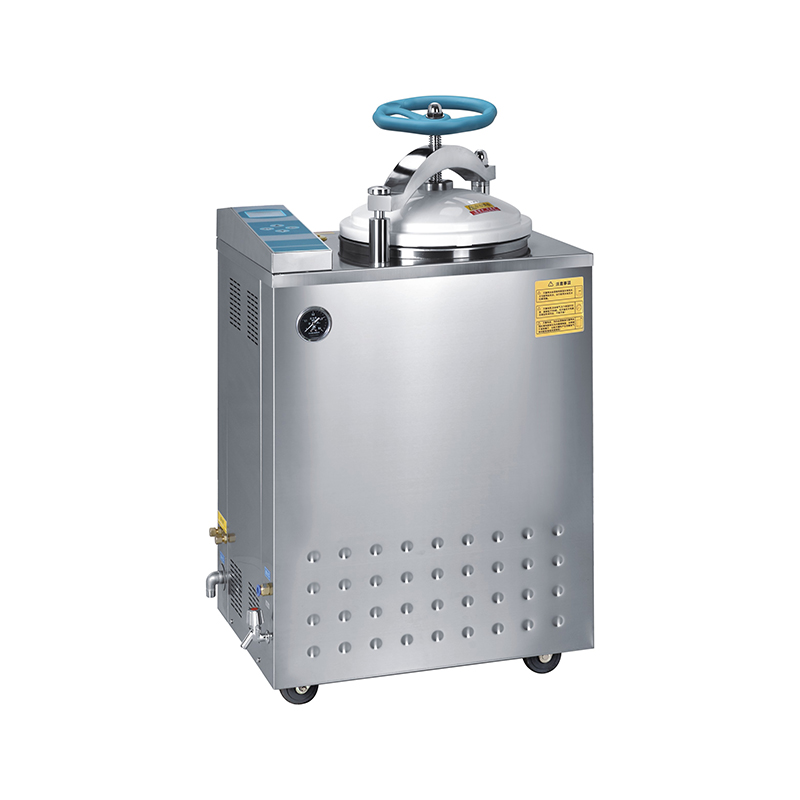
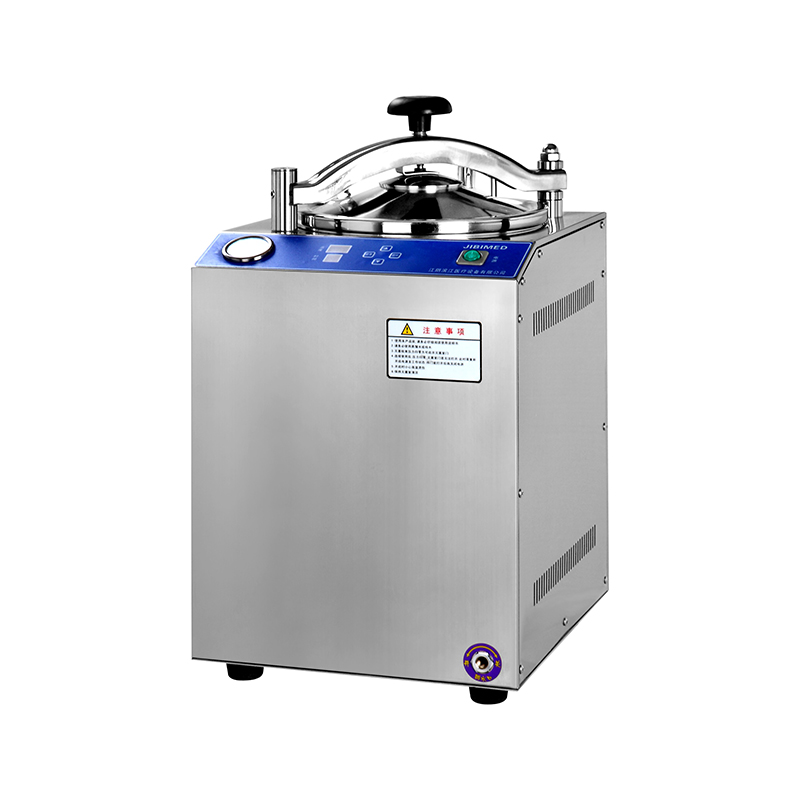
Matching the right bin to the right sterilizer is one part of the equation; selecting the right sterilizer for your workflow is the other. Our horizontal pressure steam sterilizers are designed for high-capacity facilities processing large instrument sets and packaged waste, while our vertical pressure steam sterilizers offer a compact footprint well-suited to laboratories and clinics with moderate throughput. Choosing chamber size and cycle type that aligns with your bin configuration—rather than treating the two as independent decisions—is the most reliable path to consistent, validated sterilization outcomes.