English
 русский
 Français
 Español
 Indonesia
 Deutsch
 عربى
عربى 中文简体
中文简体
Autoclave Medical Standards: ISO 17665, EN 285, AAMI ST8 Compliance Guide
Posted by Admin | 18 Sep
Content
- 1 What an Autoclave Medical Standard Actually Governs
- 2 The Core Standards at a Glance
- 3 Numbers That Standards Fix: Temperature, Pressure and Time
- 4 Validation, Calibration and Routine Monitoring
- 5 Class B, Class N and Class S: Standards for Small Sterilizers
- 6 Matching Equipment to the Standard You Must Meet
- 7 Compliance Gaps We See Most Often
- 8 Working With a Manufacturer Who Builds to Standard
- 9 Frequently Asked Questions
Steam sterilization has been the backbone of medical asepsis since the first autoclave appeared in the 1880s. The hardware has evolved, but the principle has not changed: saturated steam under pressure, held for a defined time at a defined temperature. What has changed is the level of proof required. An autoclave medical standard is no longer a line in an operator manual; it is an auditable chain running from design and manufacturing through installation, validation, routine monitoring and periodic requalification. Whether you are equipping a hospital sterile services department, a dental clinic, a research laboratory or a pharmaceutical filling line, the standard you must meet should decide the machine you buy, not the other way around. This guide explains which standards matter, what they actually require, and how to tell whether a sterilizer will hold up under inspection.
What an Autoclave Medical Standard Actually Governs
People often assume a "medical standard" applies only to the sterilization cycle itself. In practice, compliance touches four distinct layers, and inspectors tend to examine all of them:
- Design and manufacture: pressure vessel codes, materials, control system reliability and quality management systems such as ISO 13485.
- Performance: air removal, temperature uniformity across the chamber, steam quality and drying, verified under defined test loads.
- Process definition and validation: documented evidence that a cycle achieves a specified sterility assurance level for a specified load.
- Routine control: daily tests, cycle records, sensor calibration, maintenance and operator training that keep the validated state alive.
A sterilizer that performs well but cannot prove it will still fail an audit. That is precisely why the standards are written the way they are.
The Core Standards at a Glance
Most medical autoclave discussions eventually land on the same handful of documents. The table below summarises what each one covers in everyday practice.
| Standard | Scope | Practical Meaning |
|---|---|---|
| ISO 17665 | Moist heat sterilization of health care products | Development, validation and routine control of steam processes |
| ISO 13485 | Quality management for medical devices | Design control, traceability and documentation at the factory |
| EN 285 | Large steam sterilizers above 60 litres | Air removal, temperature uniformity, Bowie-Dick and dryness tests |
| EN 13060 | Small steam sterilizers up to 60 litres | Class B, Class N and Class S load categories |
| ANSI/AAMI ST8 | Hospital steam sterilizers in the United States | Facility design, installation, testing and routine use |
| ANSI/AAMI ST79 | Comprehensive steam sterilization in healthcare | Cycle selection, load configuration, biological monitoring |
| WS 310 | Central sterile supply departments in China | Cleaning, packaging, sterilization and monitoring requirements |
Numbers That Standards Fix: Temperature, Pressure and Time
Most medical steam cycles sit in one of two windows: 121°C for 15 to 30 minutes, or 134°C for 3 to 4 minutes, with longer exposures for dense loads. Both depend on saturated steam rather than merely hot air. A typical cycle adds roughly one standard atmosphere of pressure, about 15 psi, and the standards exist largely to guarantee that steam reaches the load evenly and that air, which acts as an insulator, is removed first. Air removal is where most failures originate. Gravity displacement units let steam push air downward and out of the chamber, while pre-vacuum units pull a vacuum to evacuate it before the cycle begins. The standards formalise this with tests such as the Bowie-Dick test and the air removal test, and it is worth understanding that verification step in detail before you sign off on any installation.
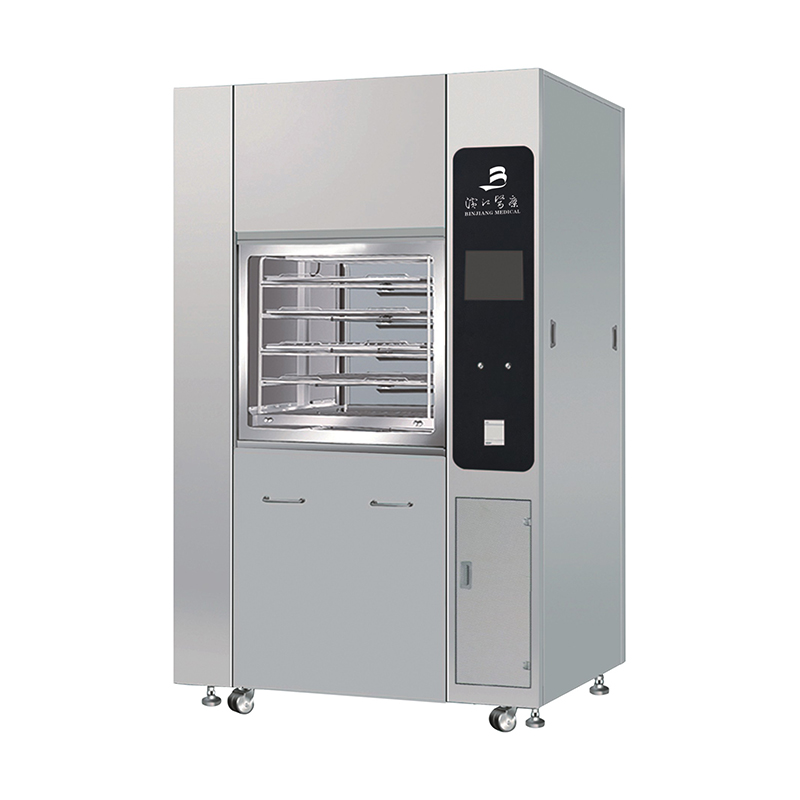
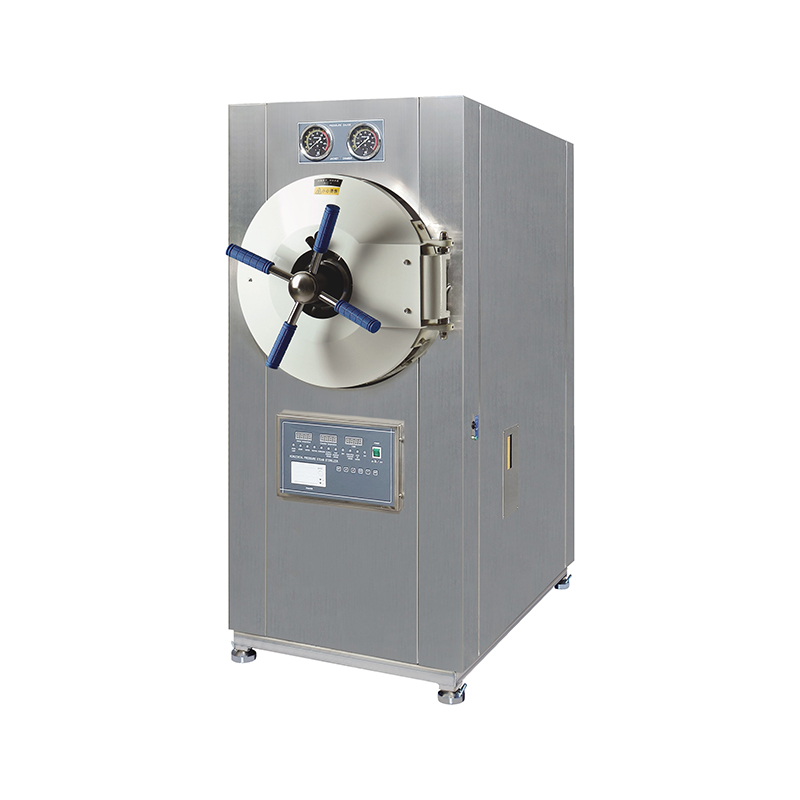 Complete stainless steel Horizontal Pressure Steam Sterilizer With printerComplete stainless steel Horizontal Pressure Steam Sterilizer horizontal design optimizes space utilization and facilitates uniform steam distribution within the chamb...View Product →
Validation, Calibration and Routine Monitoring
Validation is where a compliant autoclave earns its certificate. The usual sequence is installation qualification, operational qualification and performance qualification, supported by chamber mapping with calibrated thermocouples and, where required, biological indicators such as Geobacillus stearothermophilus spores. Because all of this generates records, the equipment itself must make record-keeping practical: cycle data logging, reproducible recipes and printed or digital documentation for every load. For facilities in that position, a machine designed with documentation in mind removes a great deal of manual transcription work.
Follow the link below to see a horizontal sterilizer built for exactly that workflow.
Complete stainless steel Horizontal Pressure Steam Sterilizer With printerComplete stainless steel Horizontal Pressure Steam Sterilizer horizontal design optimizes space utilization and facilitates uniform steam distribution within the chamb...View Product →Class B, Class N and Class S: Standards for Small Sterilizers
Small sterilizers follow their own standard, EN 13060, which sorts benchtop units into three classes. Class N handles only unwrapped solid instruments. Class S covers the specific loads a manufacturer has validated, which vary from model to model. Class B, the most demanding of the three, is designed for wrapped instruments, porous loads and hollow items, including handpieces and lumened instruments. That distinction matters in dental, ophthalmic and small laboratory settings, where a Class N unit can look like a bargain until you realise it cannot process your wrapped instruments at all. If your scope includes hollow or wrapped loads, choose a Class B machine such as our class B table-top pulse vacuum steam sterilizer, which uses pre-vacuum cycles to reach the same load categories as much larger equipment.
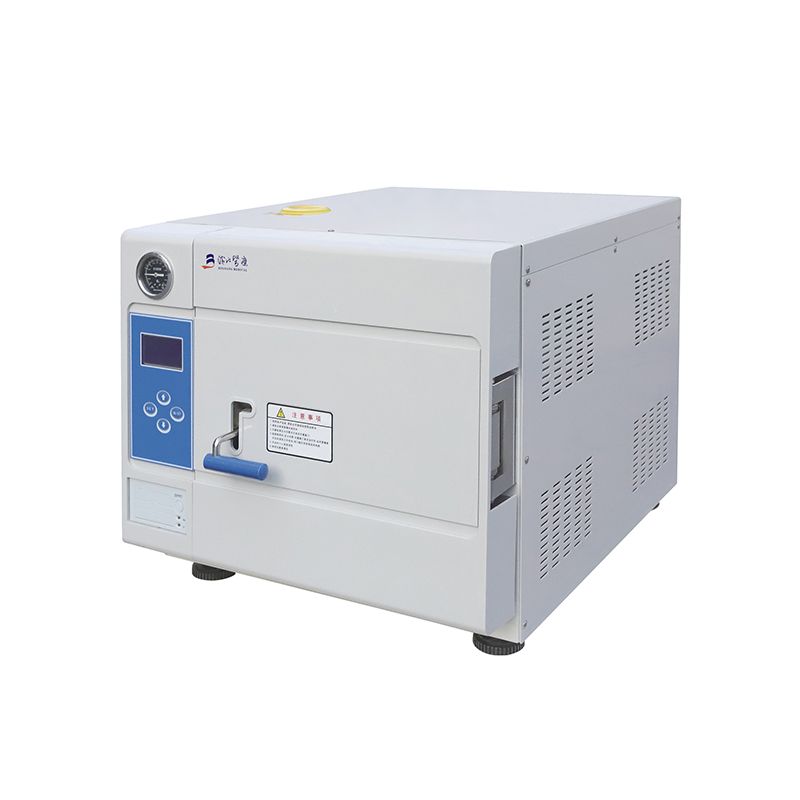 Class B Table Top Pulse Vacuum Steam SterilizerThe table-type sterilizers are safely auto-controlled and are designed for dental clinics, hospitals, school labs, scientific research institutions, and laboratories. ...View Product →
Matching Equipment to the Standard You Must Meet
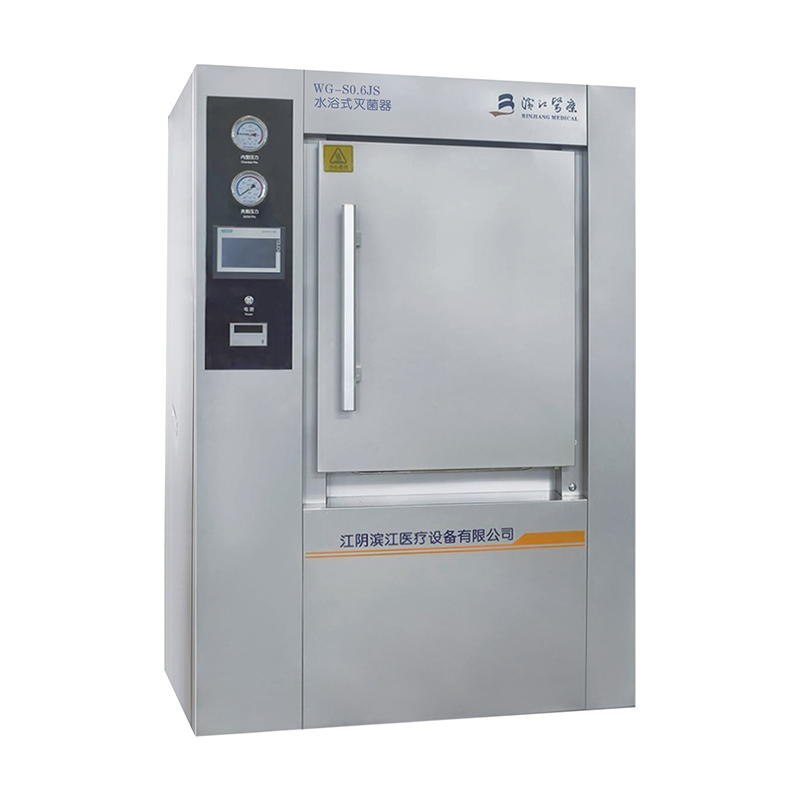
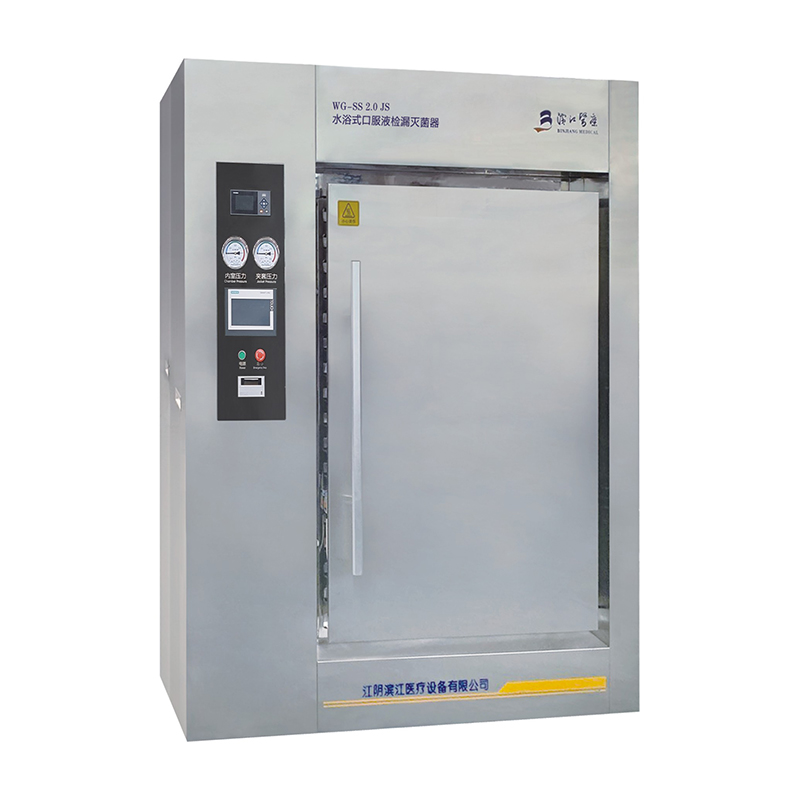
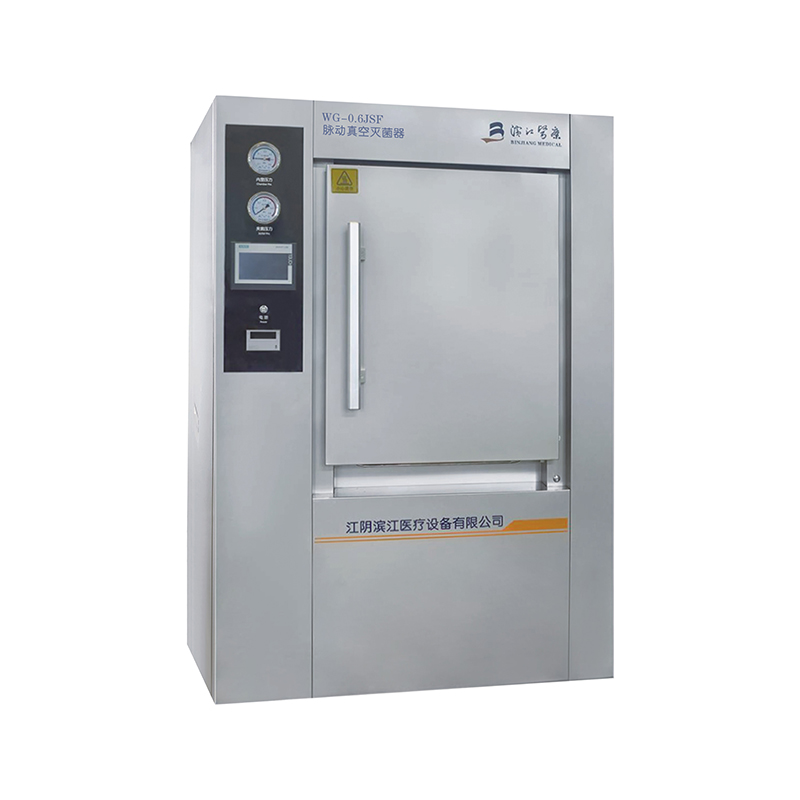
Once the standard is clear, the equipment decision becomes a question of capacity and configuration rather than guesswork. Central sterile departments processing large instrument sets generally need horizontal or pass-through chambers with pulse vacuum air removal, high-capacity racks and full cycle documentation, while laboratories and clinics usually operate comfortably with vertical or table-top models. Pharmaceutical and food operations carry their own requirements around liquid loads, which is why dedicated machines such as water bath sterilizers for ampoules exist at all. For high-throughput units handling heavy, dense loads, pre-vacuum equipment like our WG series lifting door pulse vacuum autoclave processes wrapped and porous goods in baskets or carts and pairs naturally with a validated loading pattern that can be repeated cycle after cycle.
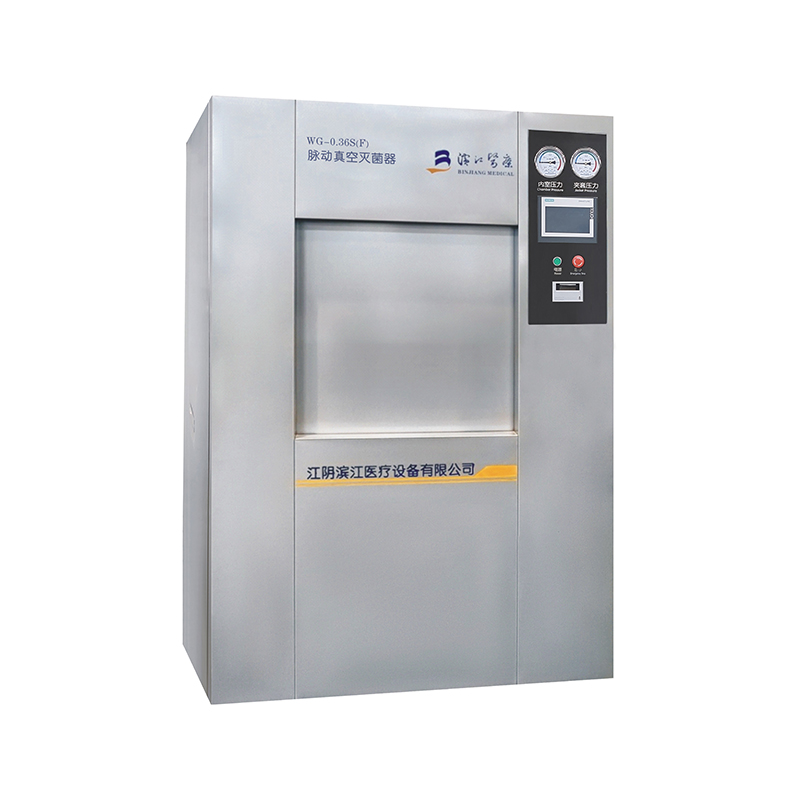 WG Series Lifting Door Pulse Vacuum AutoclaveWG series pulsating vacuum sterilizer uses saturated steam as the sterilization medium, which would completely penetrate into the surface of the articles through a pul...View Product →
Compliance Gaps We See Most Often
The same problems appear again and again during audits:
- Validating the empty chamber but never validating the loads actually processed each day.
- Running a Bowie-Dick test with the wrong cycle or an uncalibrated indicator.
- Using a Class N or Class S sterilizer for loads it was never validated for.
- Skipping requalification after a major repair, a relocation or a change in packaging.
- No traceable calibration for temperature and pressure sensors.
- Water and steam quality drifting outside specification, leaving scale or non-condensable gases behind.
None of these are exotic failures. They are documentation and discipline failures, and they are far cheaper to fix before an inspection than after one.
Working With a Manufacturer Who Builds to Standard
The other half of compliance is the manufacturer behind the machine. A sterilizer is a pressure vessel with a control system, and both need a partner who will still be answering questions five or ten years from now. Our own history is a fairly typical one for a serious Chinese manufacturer: founded in Jiangyin in 1997, now operating two production sites covering 40 acres with more than 30,000 square meters of floor space and over ten complete production lines, with annual capacity reaching 50,000 units. Our pressure steam sterilizers, plasma air sterilizers, UV lamp trolleys and drying ovens serve roughly 70% of hospitals in China and have been exported to more than 50 countries across Europe, Africa, Southeast Asia and the Middle East. If you want to see how the equipment lines up against the standards discussed above, browse our full sterilization equipment range and compare chamber sizes, control systems and documentation options side by side.
You can also review our sterilization equipment range and the supporting technical articles on our site to see how each model is positioned for its intended application.
Frequently Asked Questions
Is ISO 17665 legally mandatory?
ISO standards are voluntary in themselves, but they become effectively mandatory once a regulator, accreditation body or customer contract references them. In the European CE route and in most hospital purchasing specifications, compliance is expected rather than optional.
How often must an autoclave be validated?
Initial validation is required at installation, and requalification is normally expected annually, after major repairs, after relocation, or whenever the load configuration or packaging changes significantly. Daily monitoring tests sit on top of that.
Does a Class B table-top sterilizer meet the same standard as a hospital horizontal autoclave?
No, and it does not need to. Table-top units follow EN 13060, while larger hospital sterilizers follow EN 285 or equivalent national standards. Both routes require validated cycles, documented testing and routine monitoring; they simply cover different chamber sizes and load types.
Standards are not paperwork for its own sake. They are the translation of a physical process into something an auditor, a surveyor or a patient safety officer can trust. Choose equipment that was designed for the standard you answer to, validate the loads you truly run, and keep the records that prove it, and the rest of the sterilization programme tends to fall into place.