English
 русский
 Français
 Español
 Indonesia
 Deutsch
 عربى
عربى 中文简体
中文简体
Autoclave Sterilization Process: How It Works, Cycles & Best Practices
Posted by Admin | 05 Jun
Content
- 1 Why Steam Is the Standard in Sterilization
- 2 The Three Critical Parameters: Temperature, Pressure, and Time
- 3 Autoclave Sterilization Cycle: Phase by Phase
- 4 Choosing the Right Autoclave for Your Application
- 5 Validating and Monitoring Your Autoclave Cycle
- 6 Common Mistakes That Compromise Sterilization
Surgical site infections affect millions of patients each year, and the autoclave remains the first line of defense in preventing them. Steam sterilization has been the gold standard in healthcare for over a century—not because it's simple, but because when done correctly, it is remarkably reliable. Understanding how the process works, why each parameter matters, and where failures hide is what separates a functional sterile processing workflow from one that creates risk.
Why Steam Is the Standard in Sterilization
Moist heat kills microorganisms through protein denaturation—saturated steam penetrates cell walls and irreversibly damages the enzymes and structural proteins that keep bacteria, viruses, and spores viable. This mechanism is faster and more dependable than dry heat, which relies on oxidation and requires much higher temperatures for equivalent lethality.
Compared to ethylene oxide (EtO) or hydrogen peroxide plasma, steam has several practical advantages: it leaves no toxic residue, requires no aeration period, and can penetrate wrapped instrument packages and porous textile loads efficiently. The CDC's guidelines on steam sterilization for healthcare facilities recognize it as nontoxic, rapidly microbicidal, sporicidal, and highly effective at penetrating fabrics—qualities that explain its dominance across hospitals, dental clinics, veterinary practices, and research laboratories.
The one constraint is material compatibility. Plastics that soften under heat, fiber optics, and moisture-sensitive electronics require alternative methods. For everything else that can tolerate heat and moisture, steam sterilization is the most validated and cost-effective option available.
The Three Critical Parameters: Temperature, Pressure, and Time
Autoclave sterilization is not a single fixed process—it is a precise combination of three interdependent variables. Change one, and the others must compensate to maintain sterility assurance.
Temperature is the primary lethal agent. The two internationally recognized sterilization temperatures are 121°C (250°F) and 132°C (270°F). At 121°C, wrapped healthcare supplies in a gravity displacement sterilizer require a minimum of 30 minutes of exposure. At 132°C, a prevacuum sterilizer achieves equivalent kill in as little as 4 minutes for the same load type. For prion-contaminated instruments, cycles of 134°C held for 18 minutes or longer are required.
Pressure is not itself the sterilizing agent—its role is to raise the boiling point of water above 100°C, enabling steam to reach these temperatures inside a sealed chamber. Standard operating pressures range from roughly 15 psi (103 kPa) at 121°C to 30 psi (207 kPa) at 134°C. For a more detailed breakdown of how steam temperature and pressure interact across different cycle types, see this practical guide on steam temperature parameters for sterilization.
Steam quality is a factor operators often overlook. The ideal steam for sterilization carries a dryness fraction of at least 97%—meaning 97% vapor and no more than 3% entrained liquid water. Superheated or excessively wet steam both reduce sterilization efficacy, and contaminated or hard water introduces mineral deposits that degrade chamber components over time.
Autoclave Sterilization Cycle: Phase by Phase
Every autoclave run passes through three distinct phases. Missing or shortcutting any one of them is a direct path to sterilization failure.
Phase 1: Conditioning (Air Removal)
Air is the enemy of steam sterilization. Even small air pockets prevent steam from making direct contact with instrument surfaces, and cool air trapped in porous loads insulates items from lethal heat. The conditioning phase removes this air before sterilization begins.
In gravity displacement autoclaves, steam enters from the top of the chamber and physically pushes air downward and out through a bottom drain. This method works well for simple, non-porous loads such as unwrapped metal instruments and media bottles, but it is slow and struggles with dense porous packs where air is easily trapped.
In pre-vacuum (pulsed vacuum) autoclaves, a vacuum pump actively evacuates air in one or more pulses before steam is admitted. This approach penetrates complex instruments—hollow lumens, wrapped textiles, hinged items—far more reliably and is the required method for Class B sterilization per EN 13060 standards.
Phase 2: Sterilization Exposure
Once air is removed and the chamber reaches the target temperature, the exposure phase begins. The autoclave holds temperature and pressure at the set point for the full programmed dwell time. This is the phase where all microbial kill occurs. Any temperature dip during this window restarts the exposure clock in properly designed controllers.
Phase 3: Drying
After exposure, a vacuum is applied again to draw moisture out of the load. Wet instruments that leave the autoclave are not considered sterile in practice—moisture wicks contaminants through packaging and provides a medium for microbial growth. Adequate drying time depends on load density and packaging type; dense wrapped sets require longer drying than unwrapped solid instruments.
| Feature | Gravity Displacement | Pre-Vacuum (Pulsed Vacuum) |
|---|---|---|
| Air Removal Method | Steam pushes air out | Vacuum pump evacuates air |
| Typical Temperature | 121°C | 132–134°C |
| Exposure Time (wrapped loads) | 30 minutes | 3–4 minutes |
| Best For | Unwrapped instruments, liquids, media | Wrapped packs, porous loads, hollow instruments |
| EN Classification | Class N / Class S | Class B |
Choosing the Right Autoclave for Your Application
The sterilization process is only as effective as the equipment running it. Selecting the wrong autoclave type for your load profile creates either failed cycles or unnecessary operational overhead.
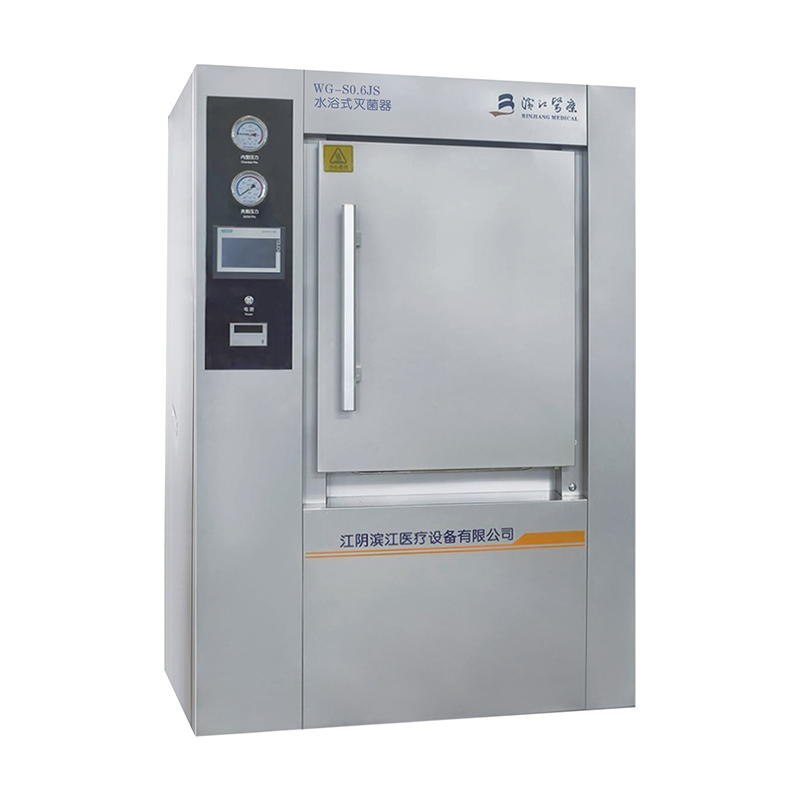
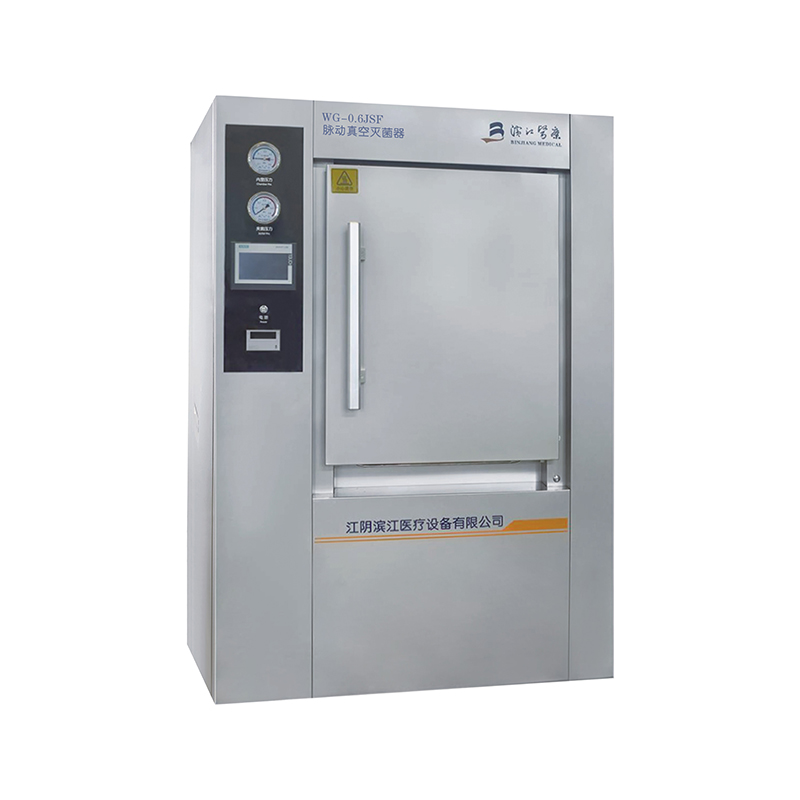
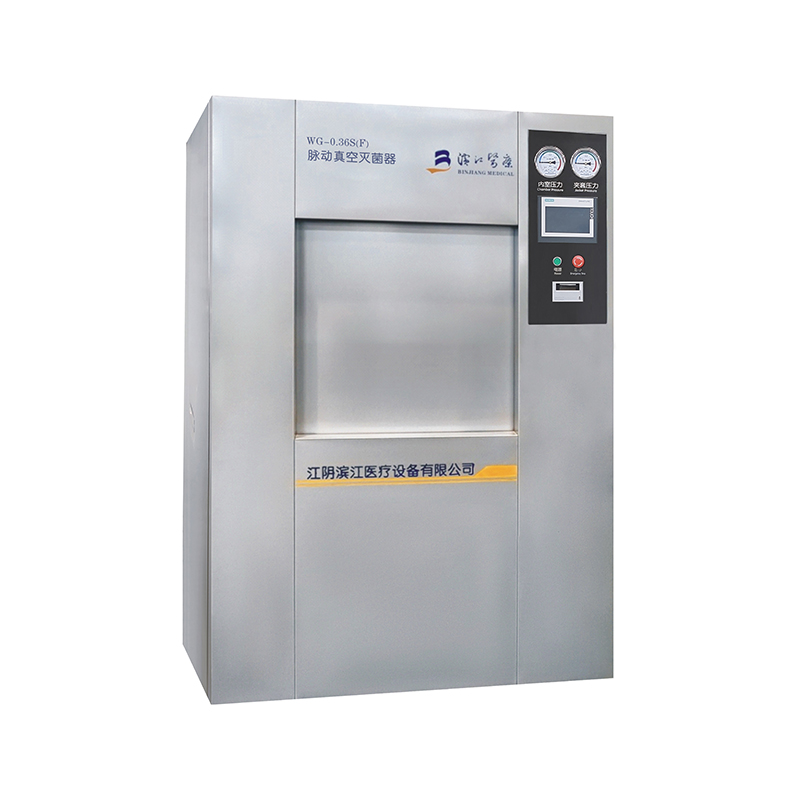
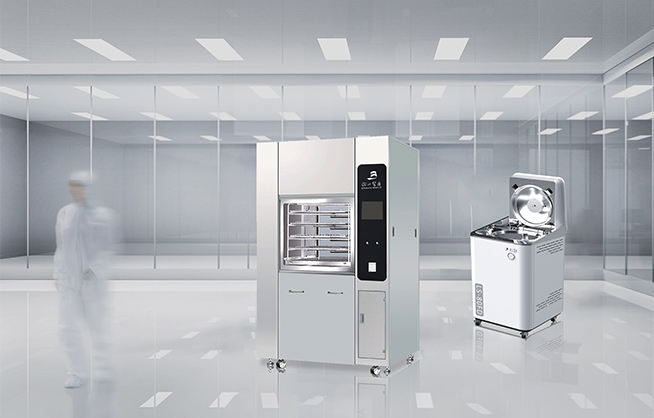
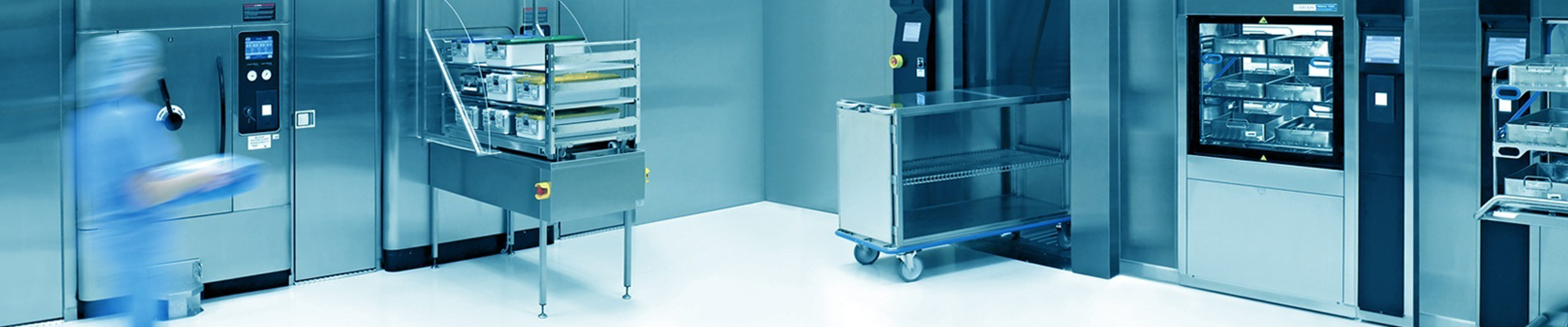
Horizontal large-capacity autoclaves are designed for high-volume hospital central sterile supply departments (CSSD). Their horizontal chamber design accommodates full sterilization trolleys and multiple instrument trays simultaneously. For facilities running wrapped surgical sets and porous loads at scale, horizontal pulse vacuum steam sterilizers built for hospital CSSD workflows offer the throughput and Class B performance these environments require.
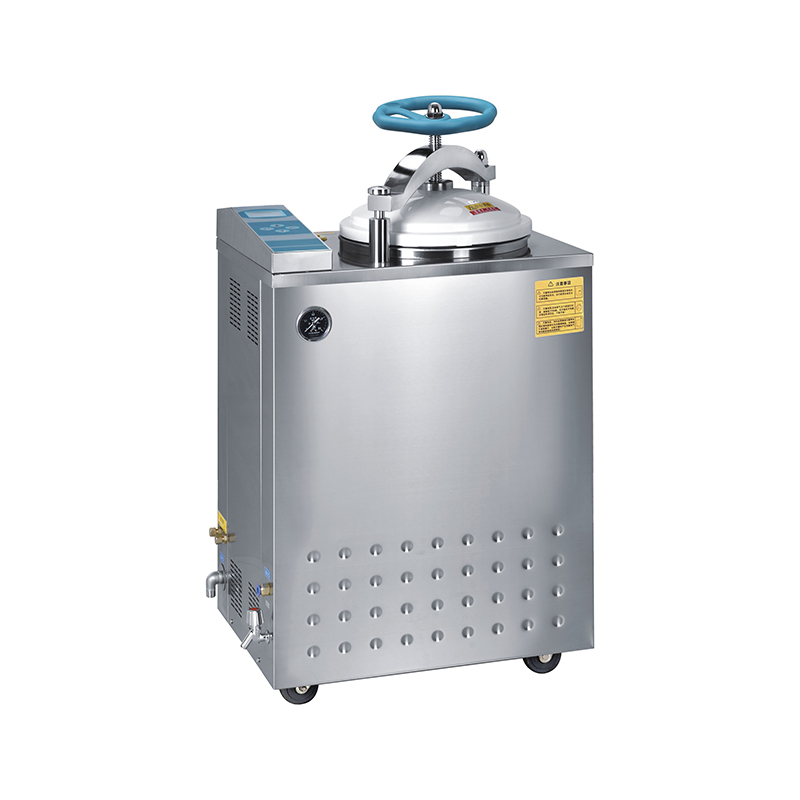
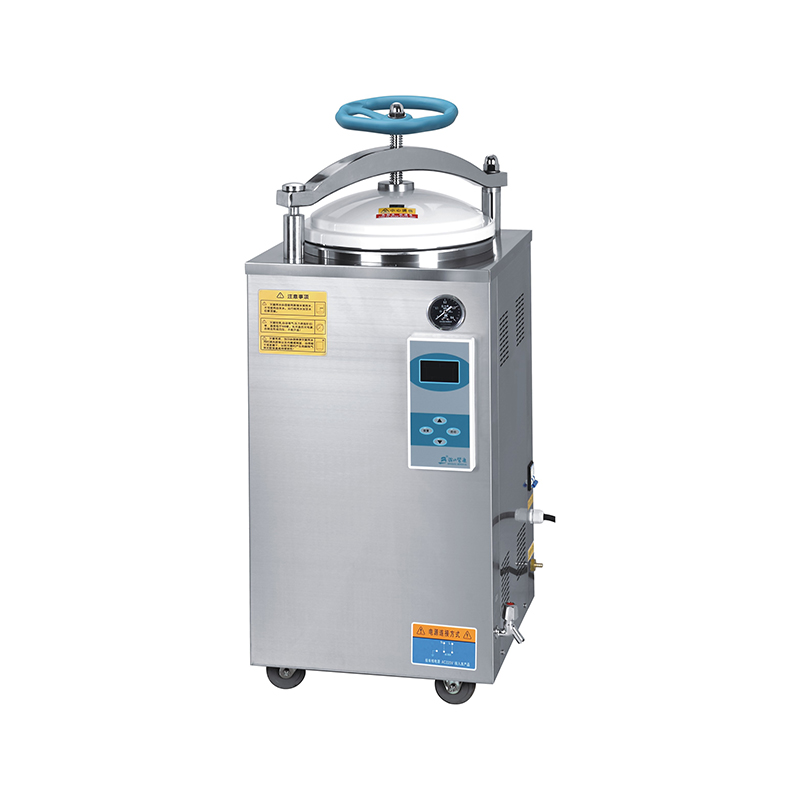
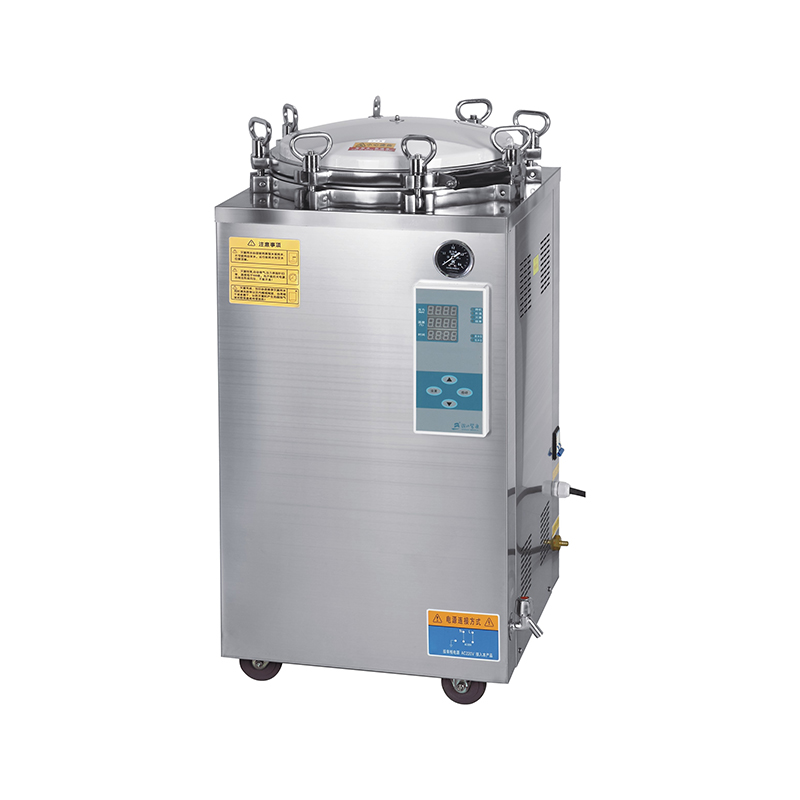
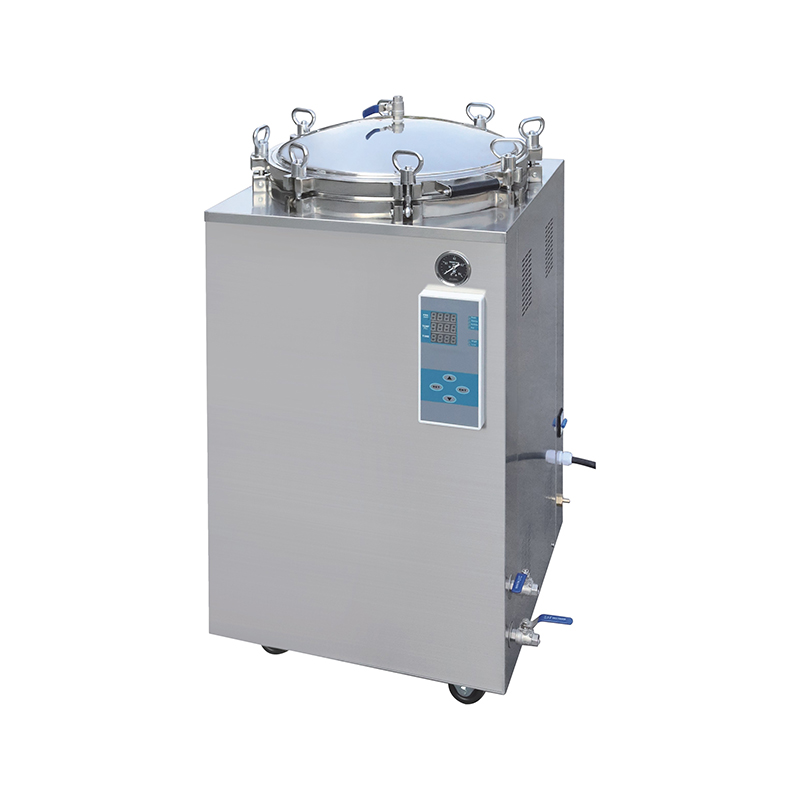
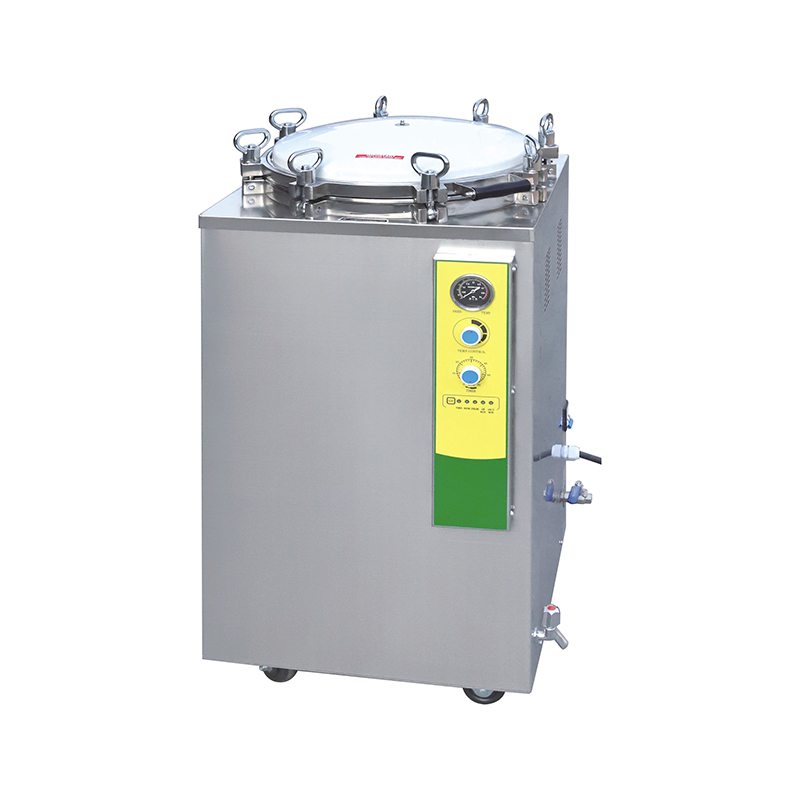
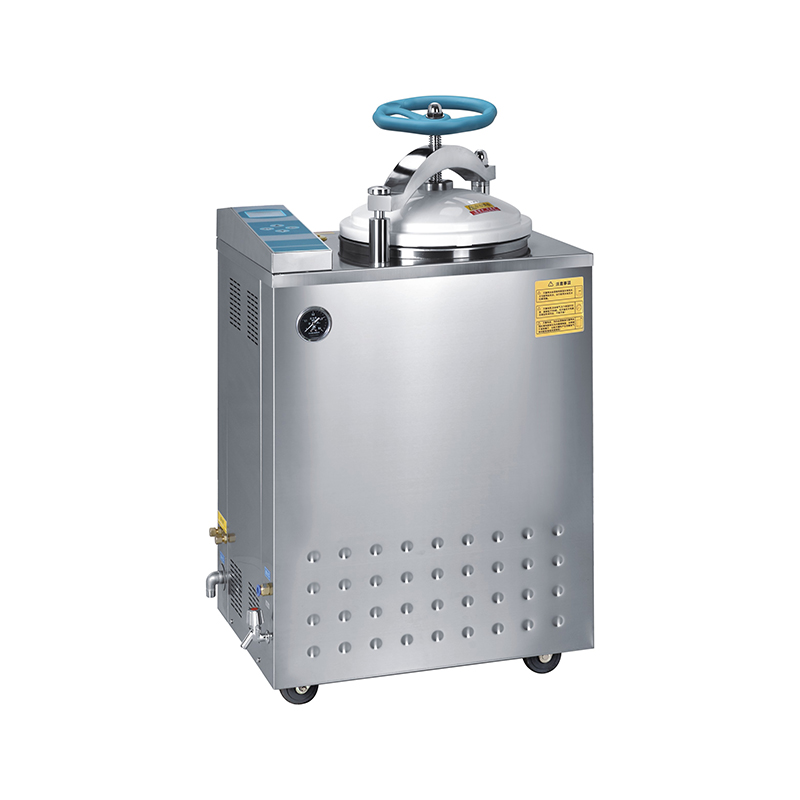
Vertical pressure steam sterilizers suit laboratory environments where media preparation, biohazardous waste decontamination, and glassware sterilization are common tasks. Their upright chamber design makes loading bulk containers more straightforward. Explore vertical pressure steam sterilizers configured for laboratory and research applications for this use case.
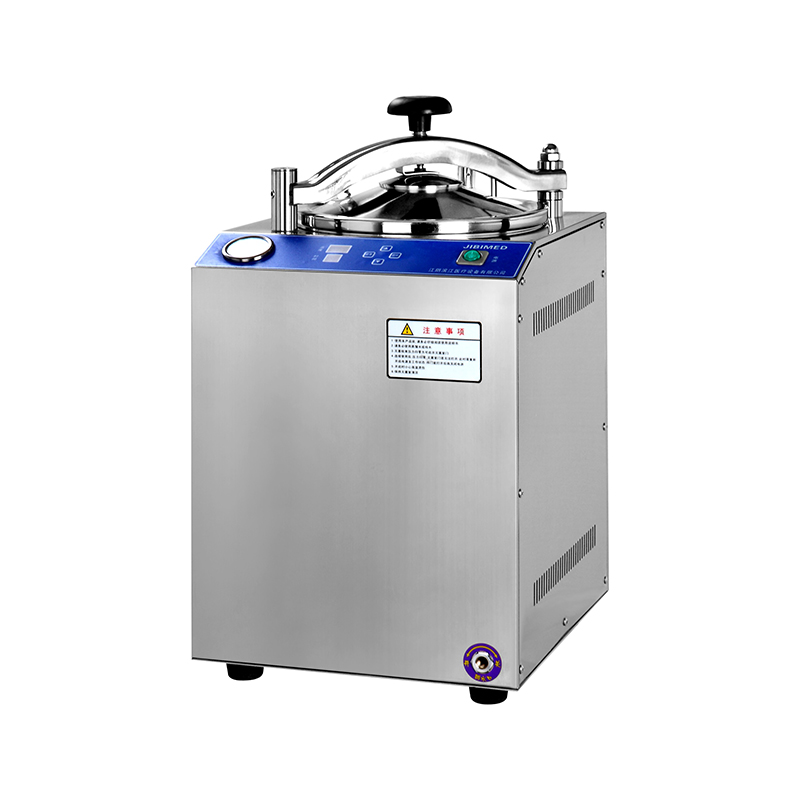
Tabletop steam sterilizers are the right fit for dental clinics, outpatient facilities, and ophthalmic practices where instrument volumes are moderate and bench space is limited. A compact footprint does not mean compromised performance—Class B tabletop units handle wrapped and hollow loads fully. See the range of table-top steam sterilizers for dental and outpatient clinic settings to compare chamber sizes and cycle options.
Validating and Monitoring Your Autoclave Cycle
A cycle that reaches temperature does not automatically mean a cycle that achieves sterility. Validation and ongoing monitoring are what provide documented assurance that the process is performing as intended.
Chemical indicators (CIs) change color or appearance when exposed to specific sterilization conditions. Class 1 indicators (process indicators) confirm an item was processed; Class 5 integrating indicators respond to all critical parameters and provide the closest chemical equivalent to biological testing. Place at least one inside every package, not just on the outside.
Biological indicators (BIs) contain a defined population of highly resistant bacterial spores—typically Geobacillus stearothermophilus—and are the most direct test of sterilization efficacy. Routine BI testing is recommended at least weekly, and after any equipment repair, relocation, or failed cycle.
For pre-vacuum autoclaves, the Bowie-Dick test should be run daily on an empty chamber before the first load. It specifically detects air leaks and inadequate air removal—the most common failure modes in this cycle type.
Cycle failures most often trace back to: incorrect cycle selection for the load type, overloaded or improperly arranged chambers, poor steam quality, and skipped pre-cleaning. Validation is not a one-time event—it is a recurring process tied to every significant change in equipment, load configuration, or facility workflow.
Common Mistakes That Compromise Sterilization
Most autoclave failures in practice are not equipment malfunctions—they are process errors that could be avoided with proper training and routine discipline.
- Skipping pre-cleaning: Organic material (blood, tissue, protein residue) insulates instruments and blocks steam penetration. No sterilizer can compensate for a dirty instrument. Cleaning must precede every cycle.
- Overloading the chamber: Packing items too tightly restricts steam circulation and creates cold spots. Follow the manufacturer's load specifications and always confirm there is space between packages for steam to flow. The high-temperature sterilization loading requirements for decontamination centers provide practical guidance on correct load arrangement.
- Using the wrong water: Tap water contains minerals and impurities that scale chamber walls, clog steam lines, and contaminate loads. Distilled or deionized water is required. For a full breakdown of water specifications and their impact on equipment life, see this guide on autoclave water quality requirements for safe and efficient sterilization.
- Incorrect packaging: Using non-autoclave-compatible wraps, sealing pouches incorrectly, or placing items in pouches that are too tight prevents adequate steam penetration and drying.
- Removing loads before drying is complete: Wet packs are not considered sterile and must be re-processed. Allow the full drying phase to complete and confirm the load is dry before removing it from the chamber.
- Failing to revalidate after equipment changes: Moving an autoclave to a new location, replacing a component, or changing the routine load configuration all require revalidation before returning to normal use.
Consistent outcomes in autoclave sterilization depend on treating every variable—water, loading, packaging, cycle selection, and monitoring—as non-negotiable. The equipment can only perform as well as the process surrounding it.