English
 русский
 Français
 Español
 Indonesia
 Deutsch
 عربى
عربى 中文简体
中文简体
What Temperature Is Steam for Sterilization? Practical Guide
Posted by Admin | 13 Nov
Content
Understanding Steam Sterilization
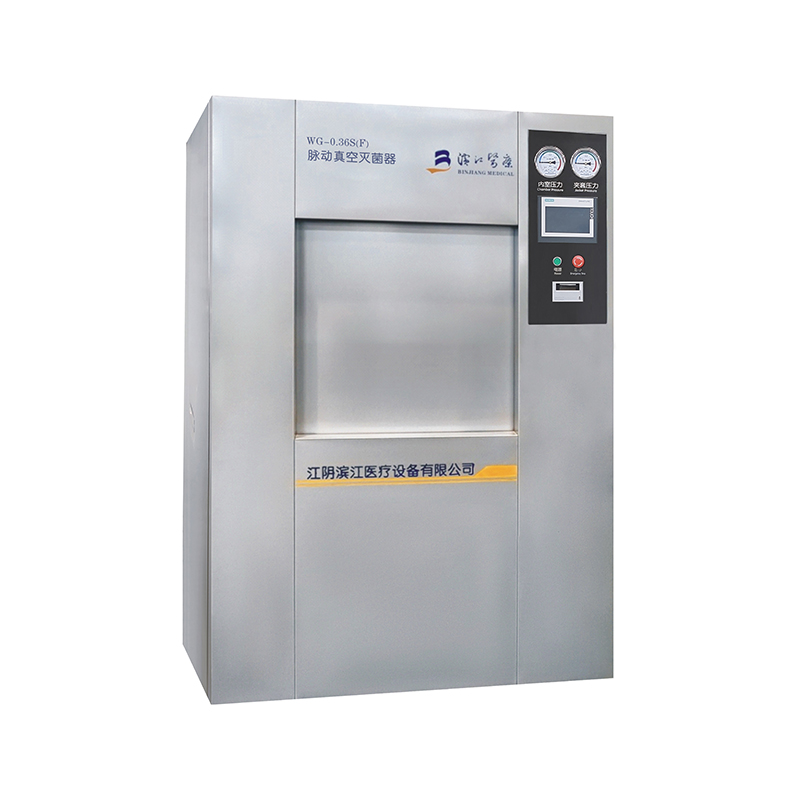
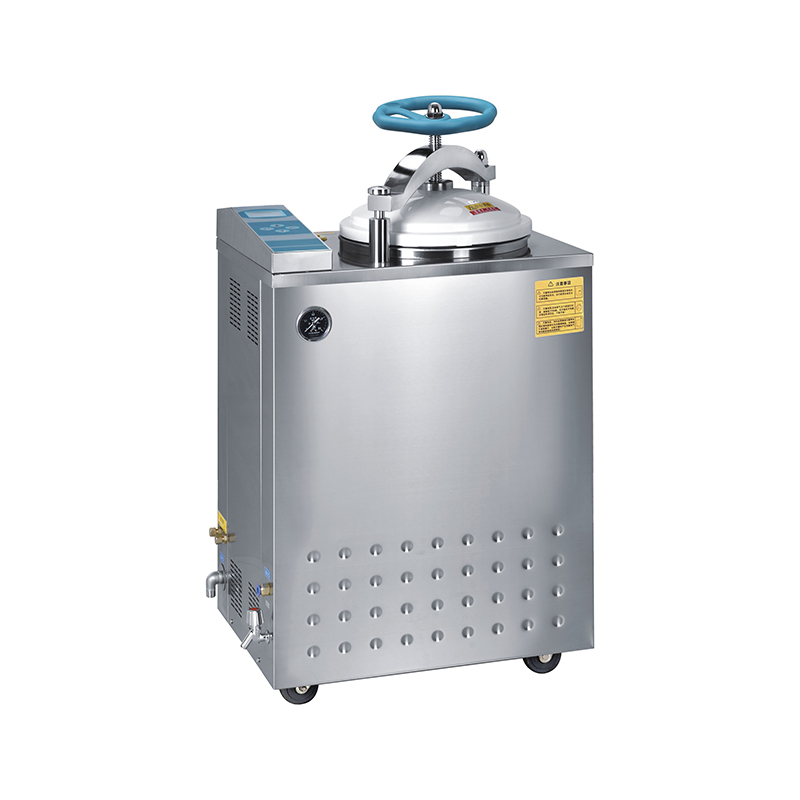
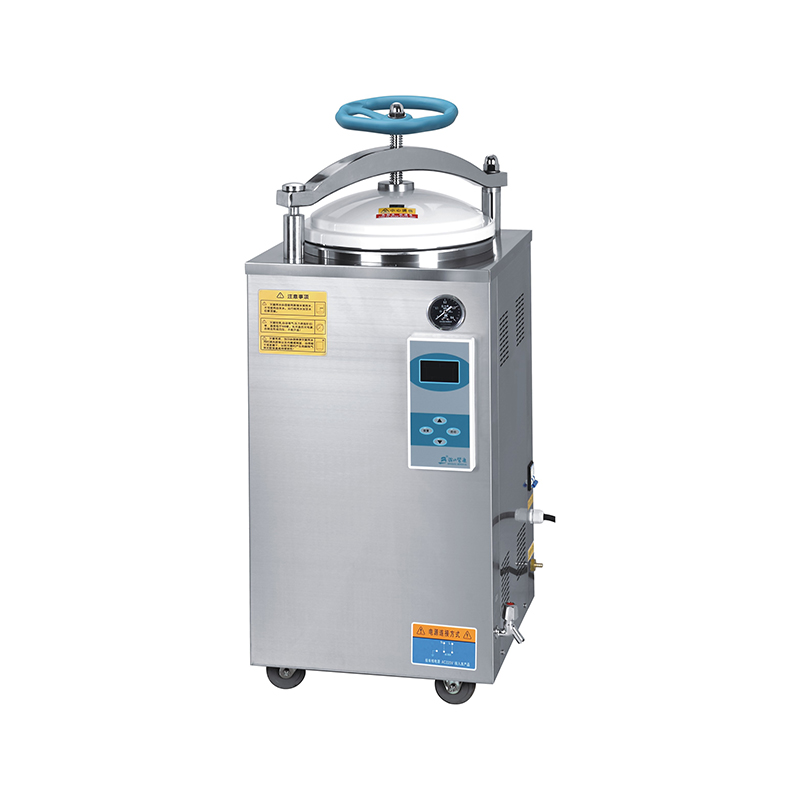
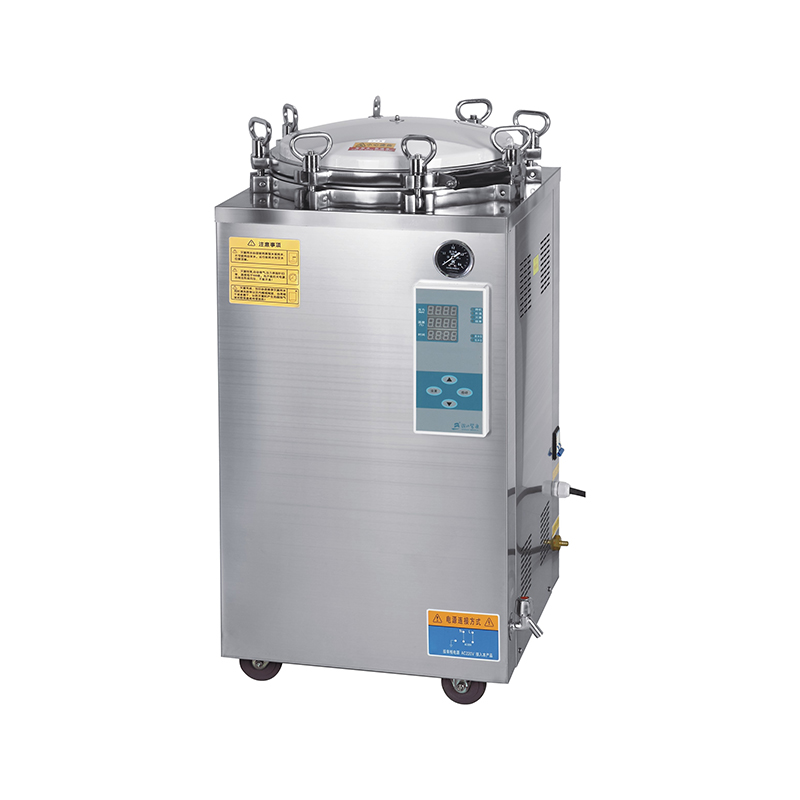
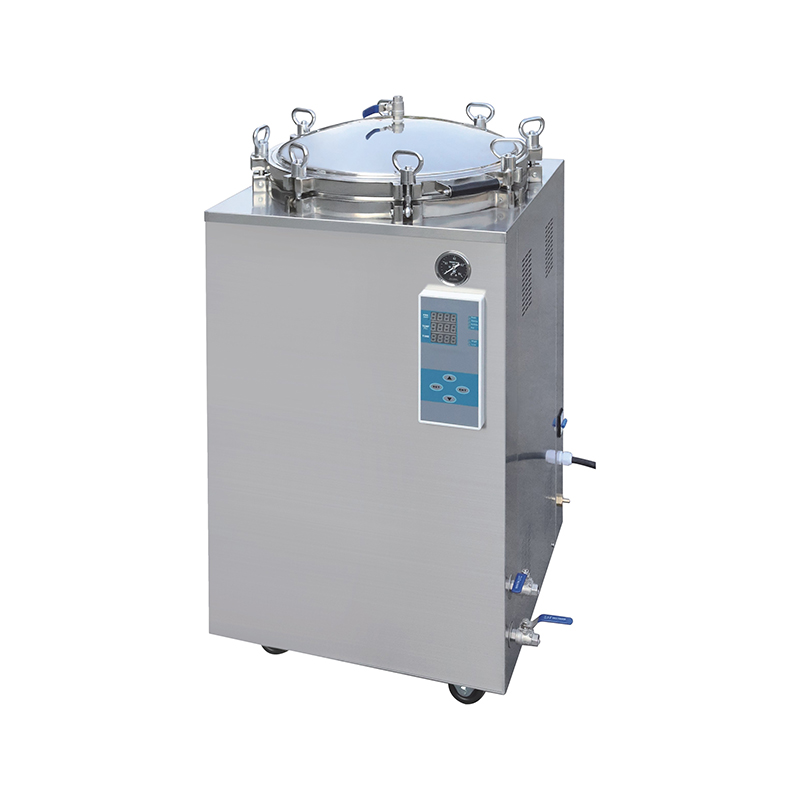
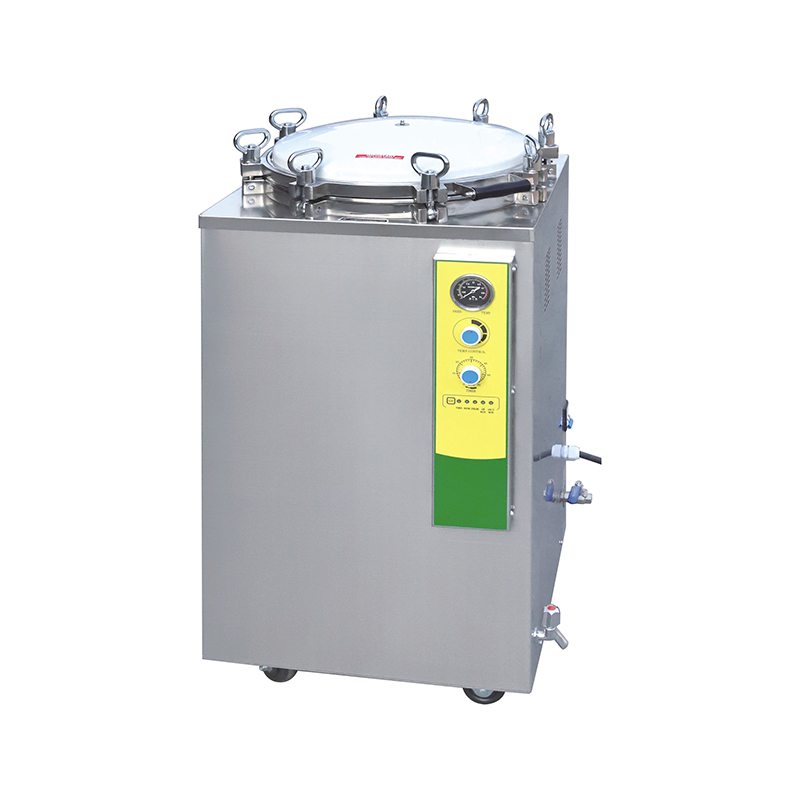
Steam sterilization, commonly known as autoclaving, is a widely used method for disinfecting equipment and materials. It is essential in industries such as healthcare, pharmaceuticals, and food processing. The process utilizes steam under pressure to achieve the necessary conditions for sterilization. Understanding the right temperature and pressure is crucial for ensuring effective sterilization.
What Is the Ideal Temperature for Steam Sterilization?
The ideal temperature for steam sterilization typically ranges from 121°C to 134°C (250°F to 273°F). This temperature range is crucial for effectively killing microorganisms, including bacteria, viruses, and spores. The exact temperature may vary depending on the specific items being sterilized and the duration of the sterilization cycle.
Sterilization at 121°C (250°F)
Sterilizing at 121°C is considered standard for most sterilization tasks. It is used for a variety of medical and laboratory equipment, including surgical instruments, glassware, and liquids. At this temperature, steam is maintained under pressure to achieve the required level of microbial kill. Typically, this temperature is used for a cycle duration of 15 to 30 minutes.
Sterilization at 134°C (273°F)
At 134°C, steam sterilization is often used for more intensive sterilization needs. This higher temperature ensures the destruction of more resilient microorganisms, such as spores. It is common in healthcare settings for sterilizing high-risk items, including surgical tools and certain medical devices. The cycle time at this temperature is usually shorter, typically around 3 to 5 minutes.
How Steam Sterilization Works
Steam sterilization works by using pressurized steam to raise the temperature of the items inside the autoclave to the sterilization temperature. The steam penetrates the items, killing microorganisms by denaturing their proteins. The pressure allows the steam to reach a higher temperature than boiling water, making it more effective for sterilization.
Pressure and Temperature in Steam Sterilization
The temperature in steam sterilization is closely related to the pressure in the autoclave. The higher the pressure, the higher the temperature of the steam. The relationship between temperature and pressure is described by a simple rule: for every 1°C increase in temperature, the pressure inside the sterilization chamber increases by approximately 0.7 bar. This correlation is critical for understanding the efficiency of the sterilization process.
Factors Affecting Steam Sterilization
Several factors can influence the effectiveness of steam sterilization, including:
- Temperature: The higher the temperature, the more effective the sterilization.
- Pressure: The pressure needs to be high enough to maintain the required temperature throughout the cycle.
- Time: The sterilization cycle duration must be long enough to ensure microbial death.
- Steam Quality: The steam must be dry and free of contaminants to ensure proper sterilization.
Steam Sterilization in Different Industries
Steam sterilization is critical in several industries:
- In healthcare, it ensures that surgical instruments, bandages, and other medical devices are free from harmful pathogens.
- In the pharmaceutical industry, it is used for sterilizing equipment, vials, and other items that come into direct contact with medicines.
- In food processing, it helps extend shelf life by destroying harmful microorganisms in products like canned goods and packaged meals.
Conclusion
Steam sterilization is an essential method for ensuring the safety and cleanliness of various products and equipment. By maintaining temperatures between 121°C and 134°C, industries can effectively eliminate harmful microorganisms and ensure product safety. Understanding the relationship between temperature, pressure, and cycle duration is key to optimizing the sterilization process.