English
 русский
 Français
 Español
 Indonesia
 Deutsch
 عربى
عربى 中文简体
中文简体
Autoclave Validation: Robust Temperature Recording for Reliable Sterilization Cycles
Posted by Admin | 19 Aug
Content
A quality manager sets up a performance qualification run for a 100-liter horizontal sterilizer and places seven data loggers across the chamber: near the steam inlet, above the drain, beside the door, and inside two wrapped instrument sets. The cycle reaches 121°C and holds it for 20 minutes. When the data is pulled, the drain probe shows 120.6°C and the instrument set near the door shows 122.1°C. The cycle is valid, the report is accepted, and the load is released.
That decision was possible only because the temperature recording was robust enough to show what the chamber actually did. A single recorder at the drain would have missed the story; a slow logger would have rounded away the cold spot; an uncalibrated probe would have made the numbers meaningless. Robust temperature recording is not a paperwork detail in autoclave validation. It is the foundation that turns a sterilizer cycle into a defensible set of data.
Why Temperature Recording Matters in Autoclave Validation
Autoclave validation is built on a simple premise: if the load reaches the required temperature for the required hold time, the microbial kill is predictable. The accepted reference points are saturated steam at 121°C for a minimum of 15 minutes, or at 134°C for at least 3.5 minutes. The accumulated lethal effect, usually expressed as an F0 value, depends on the temperature actually seen by the load, not the temperature set on the controller.
That is why regulators and standards such as EN 285, HTM 01-01, and the FDA's process validation guidance expect evidence that the entire chamber and load reached the target conditions. Temperature recording provides that evidence. Each probe turns a physical location into a time-stamped number, and the set of probes turns the chamber into a map of delivered heat. Without recording, a cycle that ran at 119°C for 18 minutes looks identical to one that ran at 123°C for 18 minutes.
What Makes Temperature Recording Robust
Robust recording has four practical components: calibrated sensors, sufficient channel coverage, meaningful placement, and a sampling rate that captures real events.
Calibrated Sensors
Type T thermocouples and PT100 or PT1000 resistance temperature detectors are the workhorses of autoclave validation. Each sensor must be calibrated against a reference traceable to a national standard, with a documented tolerance of ±0.3°C or better at the sterilization temperature. Calibration certificates with dates, results, and identification numbers are part of the validation record.
Channel Coverage and Placement
An empty chamber heat distribution study typically uses 10 to 16 sensors. The most informative positions are the steam inlet, the drain (which is usually the cold spot), the geometric center, and the four corners or door and hinge areas. Loaded studies add sensors inside representative packages, vials, or porous loads, because the coldest point in the load is rarely the coldest point in an empty chamber.
Sampling Rate
A recording interval of one reading per second is a practical default for validation runs. Slower logging, once per minute, can completely miss a temperature dip during air removal or a brief steam interruption. The recorded data should allow a reviewer to reconstruct the cycle second by second, including the ramp and the hold phases.
The Recording Plan Across IQ, OQ, and PQ
Each qualification phase has a different recording objective, but all of them generate records that must stand up to audit.
| Phase | Main recording task | What the record must show |
|---|---|---|
| Installation Qualification (IQ) | Verify sensors, display, and recorder against specifications | Calibration certificates, sensor identification, conformity with layout drawings |
| Operational Qualification (OQ) | Empty chamber heat distribution, vacuum leak, and Bowie-Dick tests | Temperature spread across the chamber, stability during hold, air removal performance |
| Performance Qualification (PQ) | Loaded chamber heat penetration with the worst-case load | Cold spot temperatures, F0 values, biological indicator results linked to thermal data |
In practice, the OQ empty-chamber study establishes the baseline temperature pattern, and the PQ loaded study proves that the load, not just the chamber, receives lethal heat. Both depend on the same recording system, so it is wise to keep the sensor set, the logger configuration, and the calibration window identical between the two phases.
Common Temperature Recording Failures
Validation failures are more often recording failures than sterilizer failures. The most frequent causes include:
- Uncalibrated or newly drifted sensors that report values outside the acceptance window even though the chamber is performing correctly.
- Cables and connectors that introduce resistance changes and erratic readings, especially after repeated bending during loading.
- A cold spot that was never instrumented, so the recorded data looks uniform while the actual load is under-processed.
- A sampling interval too coarse to reveal a pressure or temperature dip during the air removal phase.
- Air trapped in the chamber or in porous loads, which creates an invisible cold zone at the surface of the load while the steam inlet probe reads a normal temperature.
Each of these can be caught with a well-designed recording plan. A leak test and a Bowie-Dick test, for example, verify that air is being removed effectively before the temperature mapping is even analyzed. Systematically comparing the controller display, the built-in recorder, and the independent validation logger will reveal most sensor and wiring problems.
Selecting Sterilizers That Support Robust Recording
The sterilizer's own instrumentation is part of the validation picture. A chamber that records its own cycle temperature, prints a trace, and displays real-time values makes both routine operation and periodic requalification easier. When evaluating equipment for validation work, the checklist is short but important:
- Temperature readout accuracy: the display should agree with an independent reference probe within the stated tolerance.
- Recording capability: a built-in printer or data export function keeps a permanent trace for each cycle.
- Control consistency: the cycle should hold the set point within the range documented by the manufacturer.
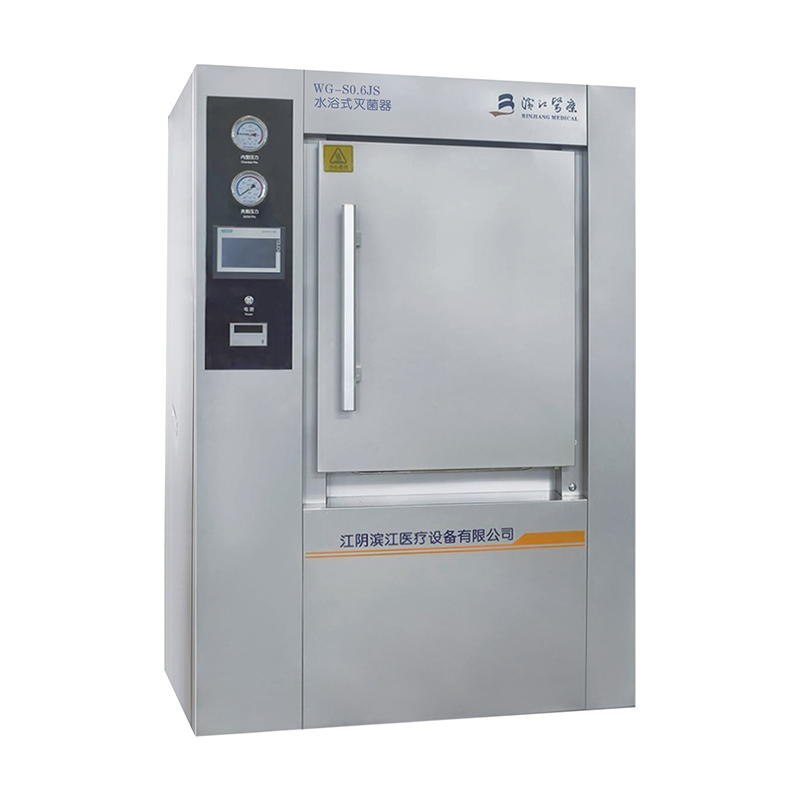
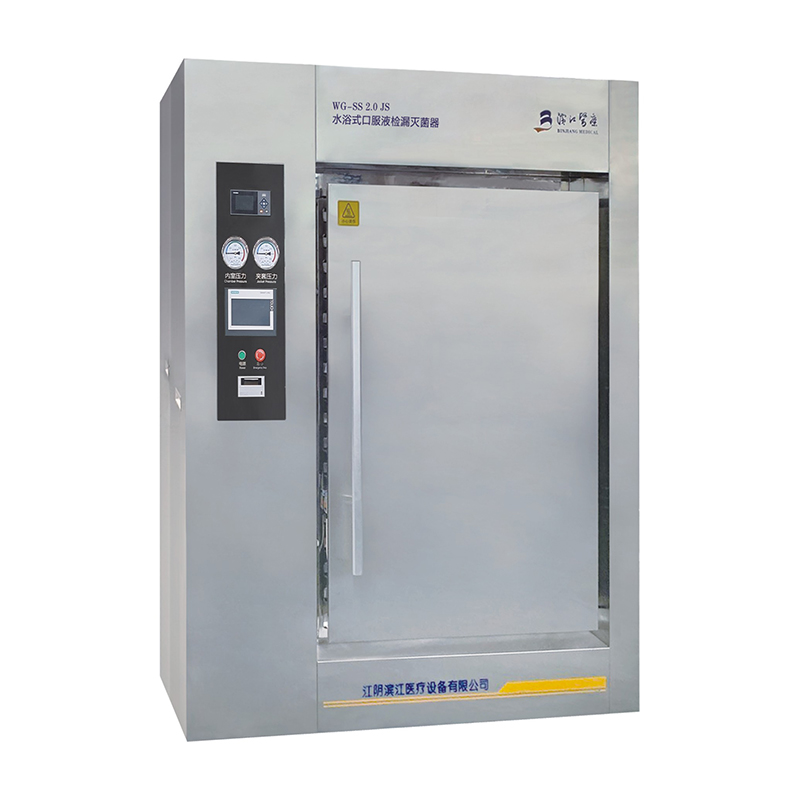
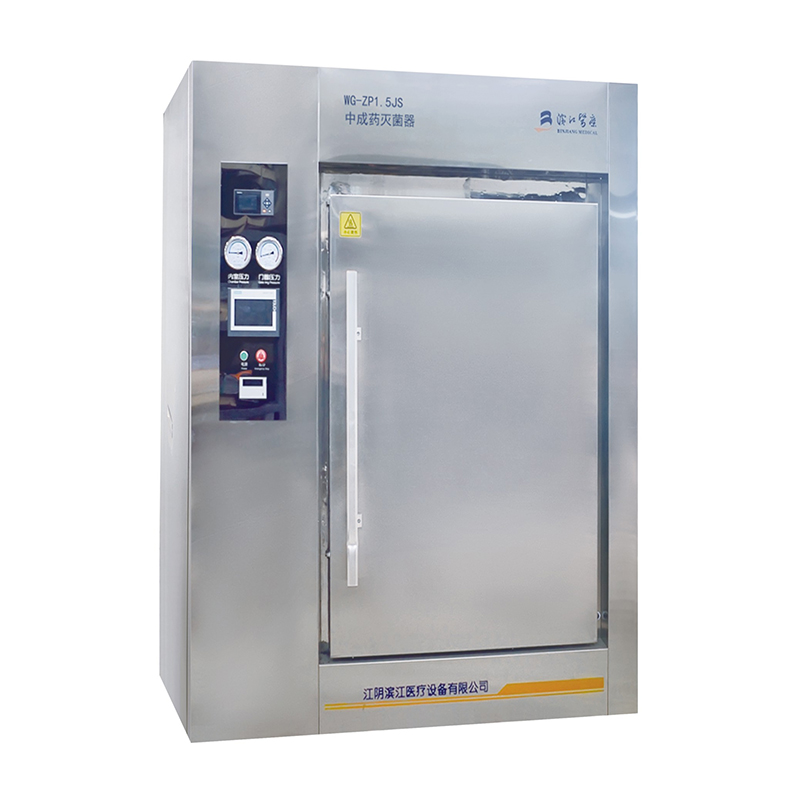
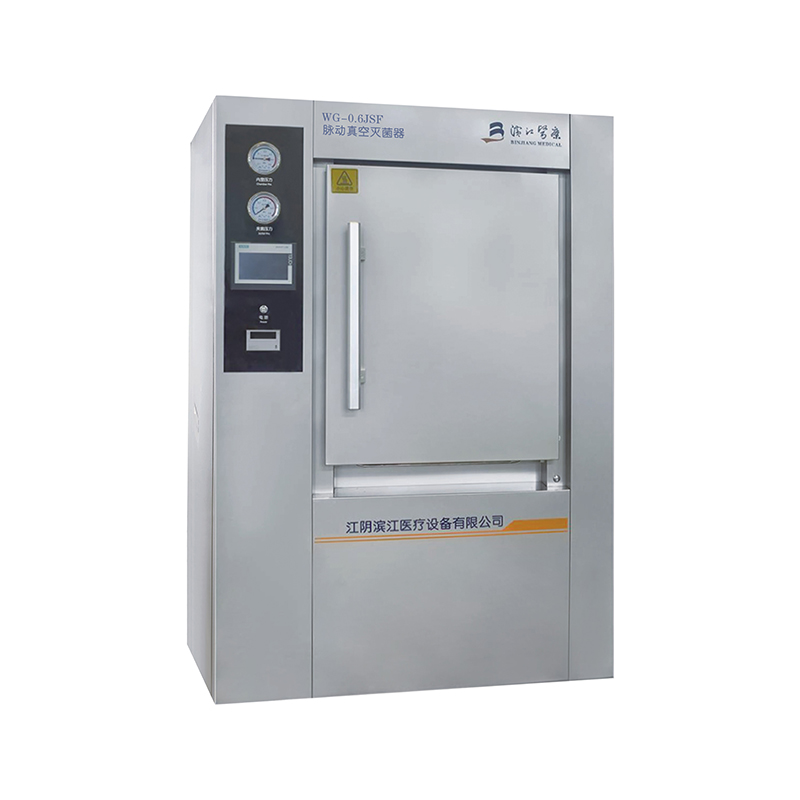
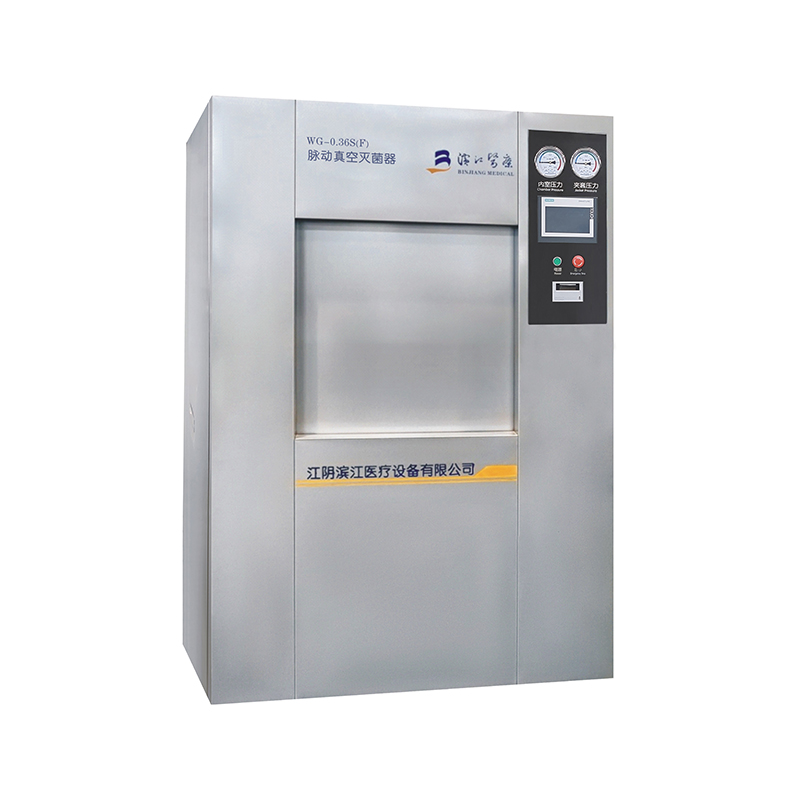
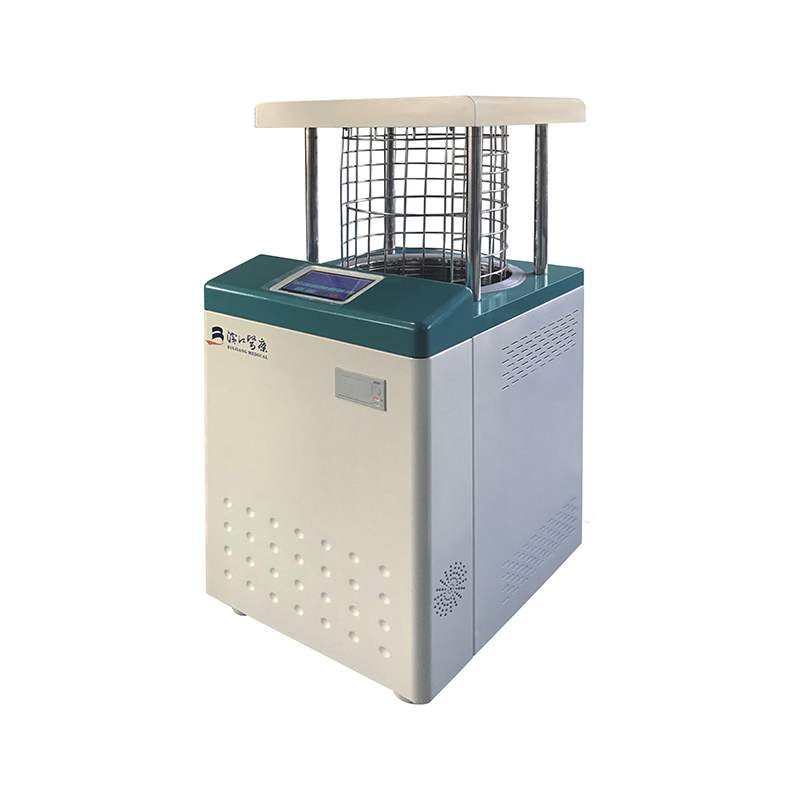
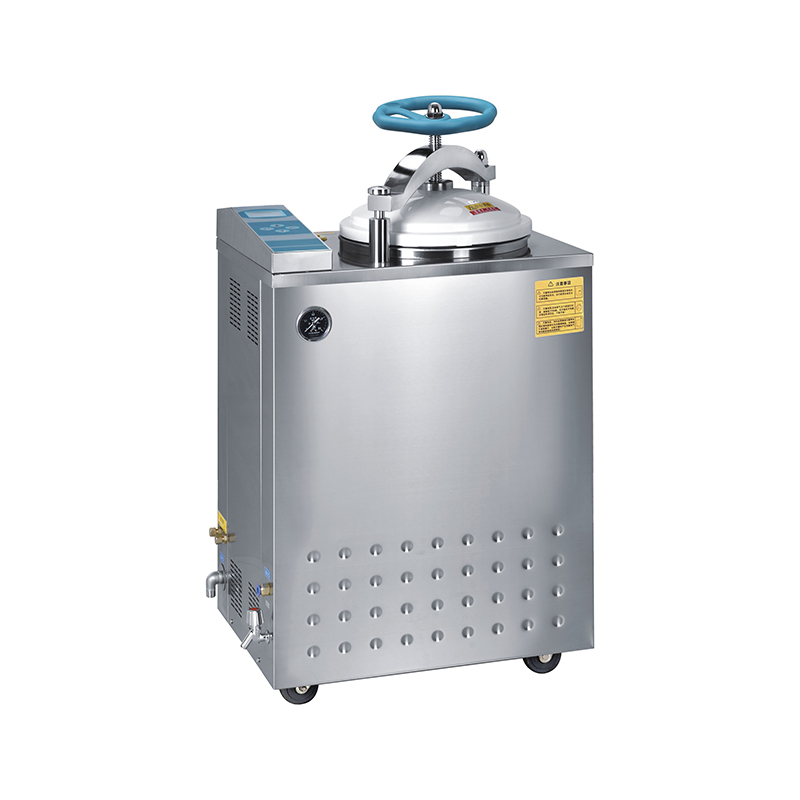
If your protocol requires a physical cycle record attached to each load, a horizontal pressure steam sterilizer with an integrated printer gives operators an immediate, traceable temperature and pressure profile for every run. Facilities that prefer live on-screen data with automated cycle control can rely on an LCD display automation vertical sterilizer, which shows real-time parameters and reduces operator-dependent variation. For clinics and smaller labs that still need validatable cycles, a Class B table-top pulse vacuum sterilizer provides the same temperature-controlled, vacuum-assisted process used by larger units.
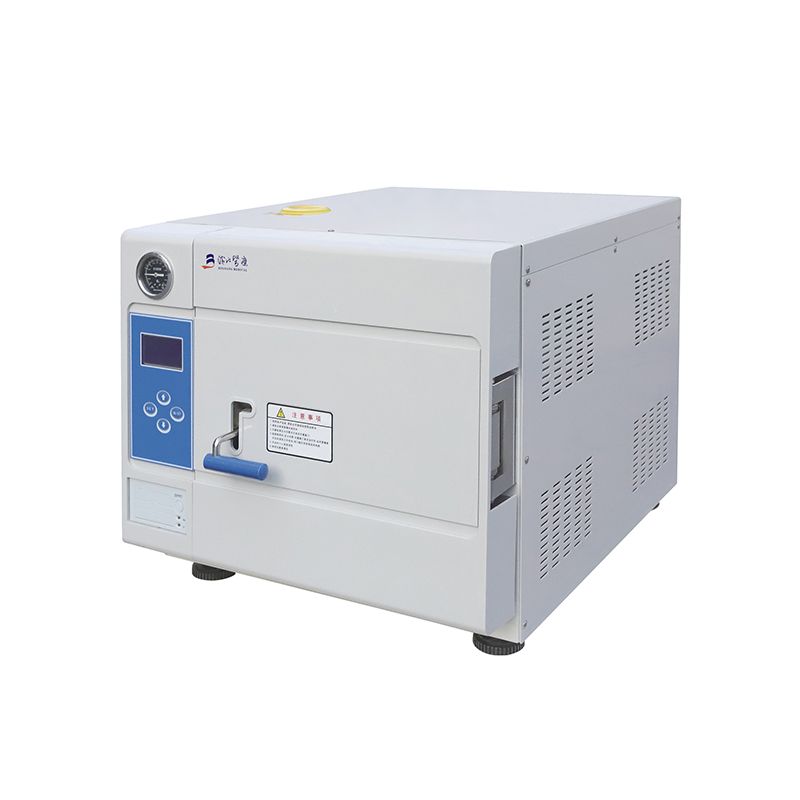 Wholesale Class B Table Top Pulse Vacuum Steam Sterilizer Suppliers, OEM/ODM ComJiangyin Binjiang Medical Equipment Co., Ltd. is China wholesale Class B Table Top Pulse Vacuum Steam Sterilizer suppliers and OEM/ODM co...View Product →
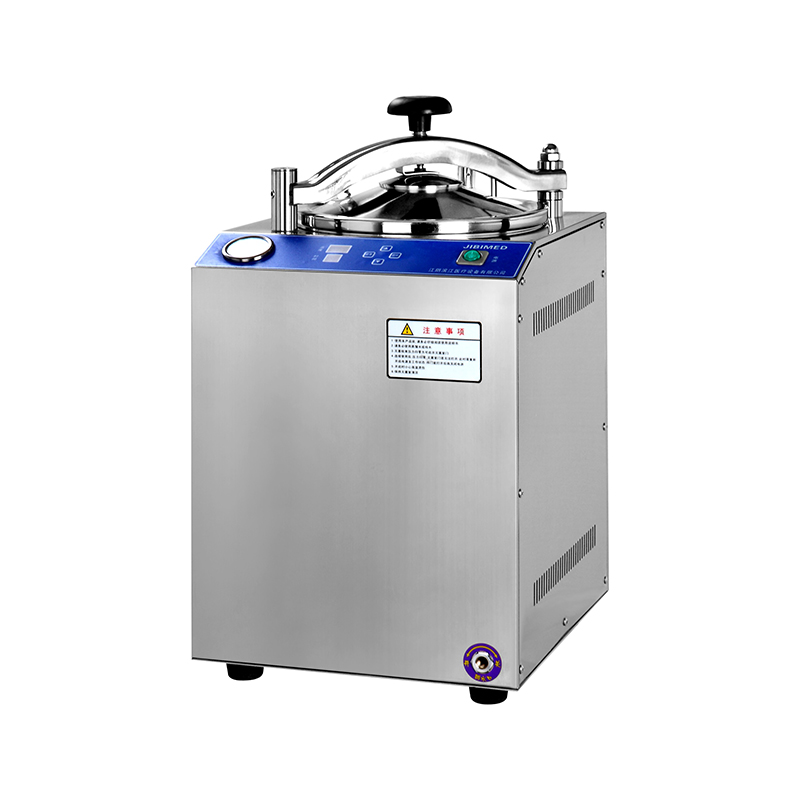
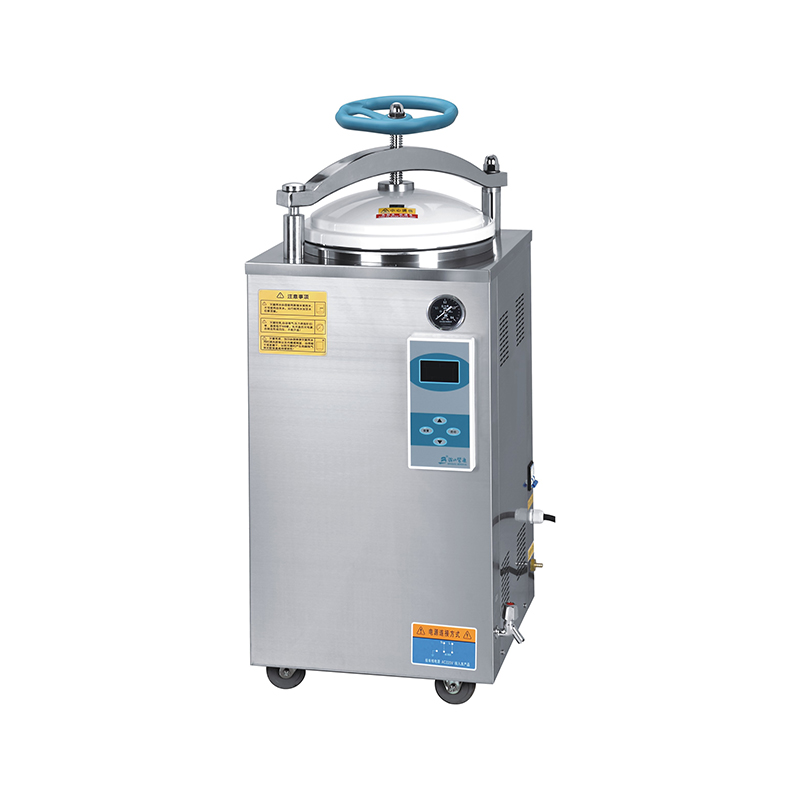 Wholesale LCD Display Automation Vertical Pressure Steam Sterilizer Suppliers, OJiangyin Binjiang Medical Equipment Co., Ltd. is China wholesale LCD Display Automation Vertical Pressure Steam Sterilizer suppliers and ...View Product →
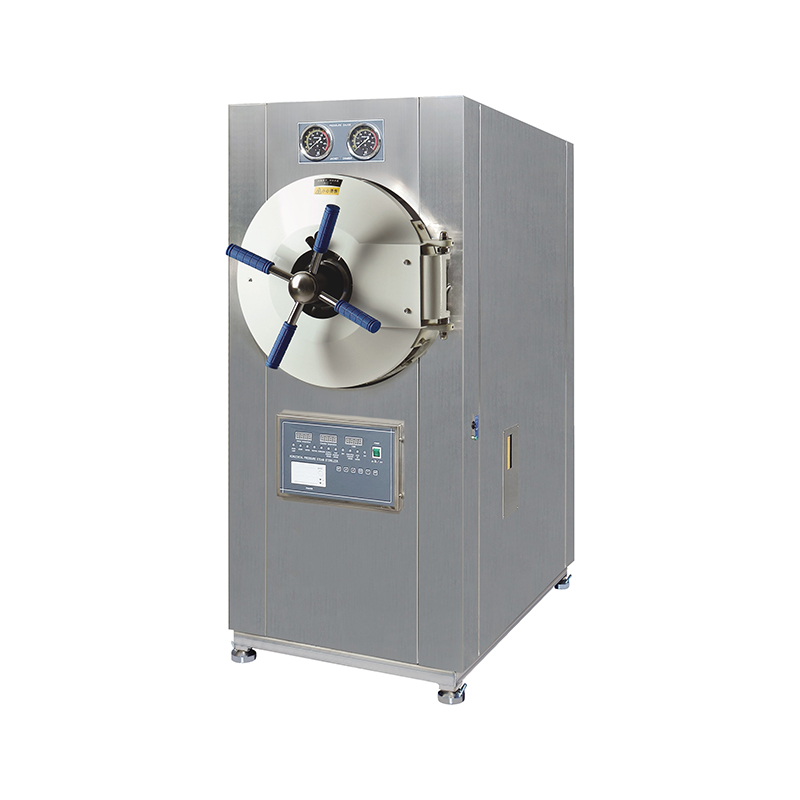 Wholesale Complete stainless steel Horizontal Pressure Steam Sterilizer With priJiangyin Binjiang Medical Equipment Co., Ltd. is China wholesale Complete stainless steel Horizontal Pressure Steam Sterilizer With print...View Product →
The equipment is only one half of the system. The other half is a documented procedure for verifying the sterilization effect with physical, chemical, and biological indicators that are tied to the recorded temperature data.
Keeping Validation Records Audit-Ready
Temperature data is most valuable when it can be trusted months after the run. Regulators look for records that are complete, consistent, accurate, and attributable to a specific operator and instrument. Electronic recording systems under 21 CFR Part 11 or EU Annex 11 should include audit trails, restricted access, and secure storage. Even paper-based records require defined correction procedures, signed initials, and traceable calibration documentation.
Data without identification is nearly useless. Every temperature file should name the sterilizer, the cycle number, the load description, the sensor set, and the operator. This context is what allows an auditor or a future validation team to reconstruct the run and decide whether the load can be released.
Autoclave validation always ends with a question: did the load actually see the sterilization conditions? Robust temperature recording answers that question with layer after layer of independent evidence. Calibrated sensors, thoughtful placement, adequate sampling, and clear documentation turn a routine steam cycle into a record that supports sterility assurance today and stands up to review tomorrow.