English
 русский
 Français
 Español
 Indonesia
 Deutsch
 عربى
عربى 中文简体
中文简体
Autoclaves for Quality Control Laboratories: Selection & Compliance
Posted by Admin | 17 Jul
Content
- 1 The Critical Role of Autoclaves in Quality Control Laboratories
- 2 Defining Your QC Lab's Sterilization Requirements
- 3 Key Autoclave Features for QC Environments
- 4 Autoclave Types for QC Labs: Matching Configuration to Workflow
- 5 Validation, Maintenance, and Regulatory Compliance
- 6 Making the Investment Decision
The Critical Role of Autoclaves in Quality Control Laboratories
A QC lab can lose its accreditation if sterilization records don't prove every load reached 121 °C for the required hold time. In regulated environments—pharmaceutical quality control, food safety, contract testing—the autoclave isn't just a utility; it's a validated system that must deliver repeatable cycle precision, produce irrefutable documentation, and handle diverse load types without compromising sterility. Selecting the wrong unit leads to audit failures, product quarantine, and rework costs that far exceed the equipment's price.
Your choice must align with Good Laboratory Practice (GLP) and the current pharmacopeia (USP/EP) chapters on sterilization. The key is matching the autoclave's cycle capabilities and physical configuration to your specific quality control loads—media, glassware, biological waste, filter assemblies—while ensuring data integrity through built-in logging. This article outlines the criteria that separate a compliant QC workhorse from a general-purpose sterilizer.
Defining Your QC Lab's Sterilization Requirements
Start with the load, not the brand. Quality control laboratories typically sterilize three distinct categories, each with its own cycle demands:
- Liquid media and reagents: Require a liquid cycle with precise ramping and exhaust cooling to prevent boil-over. A temperature variation of ±1 °C inside the chamber can ruin a batch of microbiological media. Look for autoclaves with a flexible temperature probe that controls the cycle based on the load's core temperature, not just the chamber jacket.
- Glassware, instruments, and porous loads: Need effective air removal to guarantee steam penetration. A vacuum pump that pulls at least 90% of the air before steam injection is the standard; gravity displacement alone can leave cold spots inside wrapped pipettes or filter membranes.
- Biohazardous waste: Demands a validated waste decontamination cycle, often with a longer hold time (e.g., 30 minutes at 121 °C) and a dedicated exhaust filtration system to prevent lab contamination.
Your autoclave must store enough programmable cycles to cover all these load types without manual override. A machine limited to two or three fixed programs will quickly become a bottleneck. Use the detailed laboratory autoclave selection guidelines to map your current and future load profiles before comparing models.
Cycle Precision and Temperature Tolerances
For QC media preparation, the sterilization hold at 121 °C is typically 15 minutes, but the entire exposure time must stay within a tight thermal window. Overheating degrades heat-sensitive media components; underheating compromises sterility. A validated controller with a multi-point calibration certificate (traceable to national standards) is non-negotiable. Buyers should expect the jacket temperature to remain within ±0.5 °C of setpoint and the chamber pressure sensor to have a resolution of 0.1 kPa. These tolerances directly impact your laboratory's laboratory sterilization solutions and the reproducibility of quality test results.
Key Autoclave Features for QC Environments
Three features separate a QC-grade autoclave from an ordinary sterilizer: vacuum capability, cycle documentation, and load flexibility.
Pre-vacuum and post-vacuum drying: A fractionated pre-vacuum cycle (multiple vacuum pulses) removes air from hollow goods, porous materials, and wrapped packs. In a QC lab, this is essential for sterilizing membrane filters, tubing, and assembled filtration units. Gravity cycles work only for solid, non-porous items. Post-vacuum drying is equally important: wet loads are considered unsterile and cannot be transferred to a clean area.
Documentation and data integrity: Every cycle must generate a tamper-proof record—time, temperature, pressure, and cycle phase. Look for an integrated thermal printer or USB export that complies with 21 CFR Part 11 if your lab falls under FDA oversight. A unit without automatic data logging forces operators to manually transcribe numbers, introducing human error and undermining audit-readiness.
Programmable cycles and load-specific controls: The ability to name, save, and lock cycles is not a luxury. A typical QC lab needs at least five dedicated programs: liquid media, glassware, waste, test solution preparation, and a leak-test cycle for sealed containers. Any autoclave that cannot protect validated cycles with a password risks unauthorized changes that invalidate your validation state.
Autoclave Types for QC Labs: Matching Configuration to Workflow
Bench space, throughput, and load geometry dictate whether a vertical, tabletop, or rectangular chamber autoclave fits your lab. The wrong physical format creates workflow friction that daily users will resent.
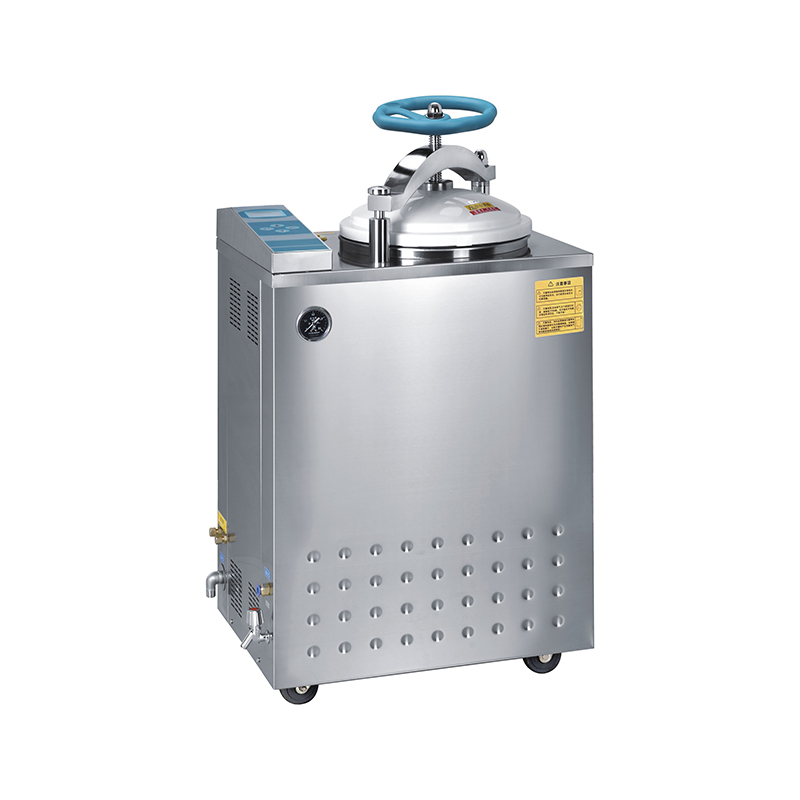
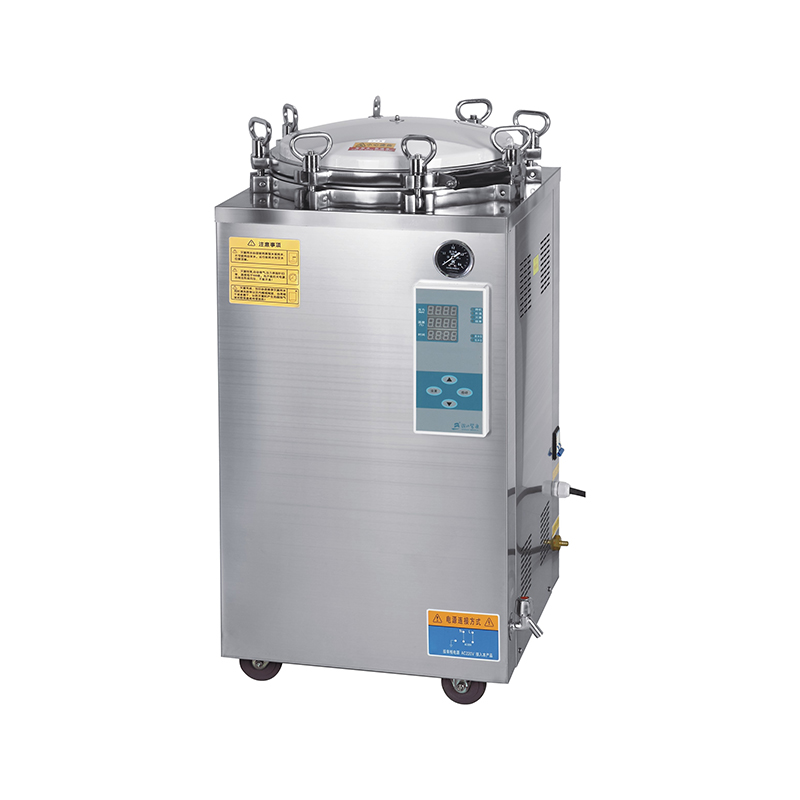
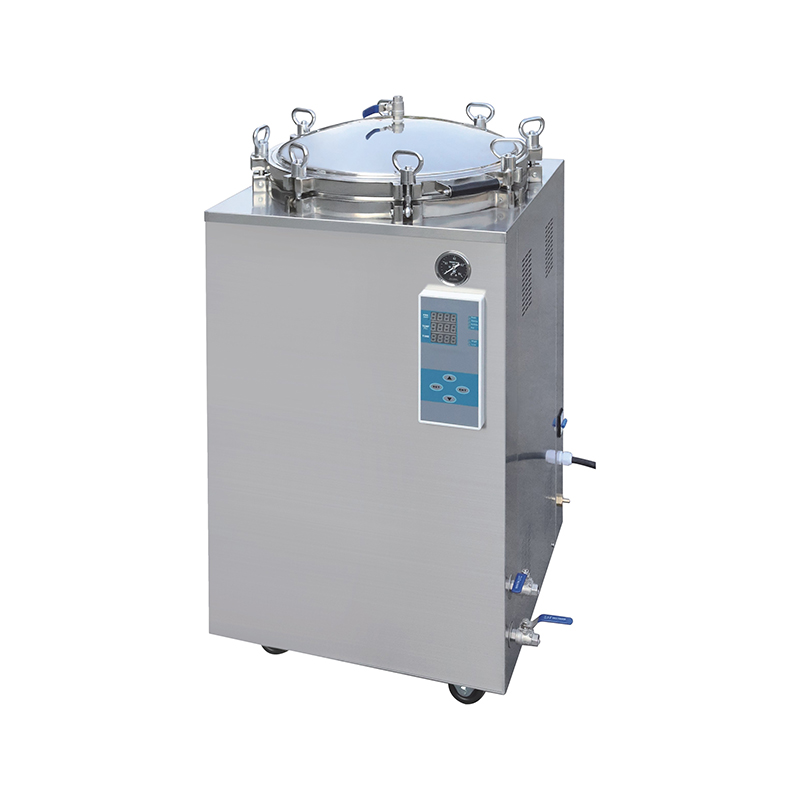
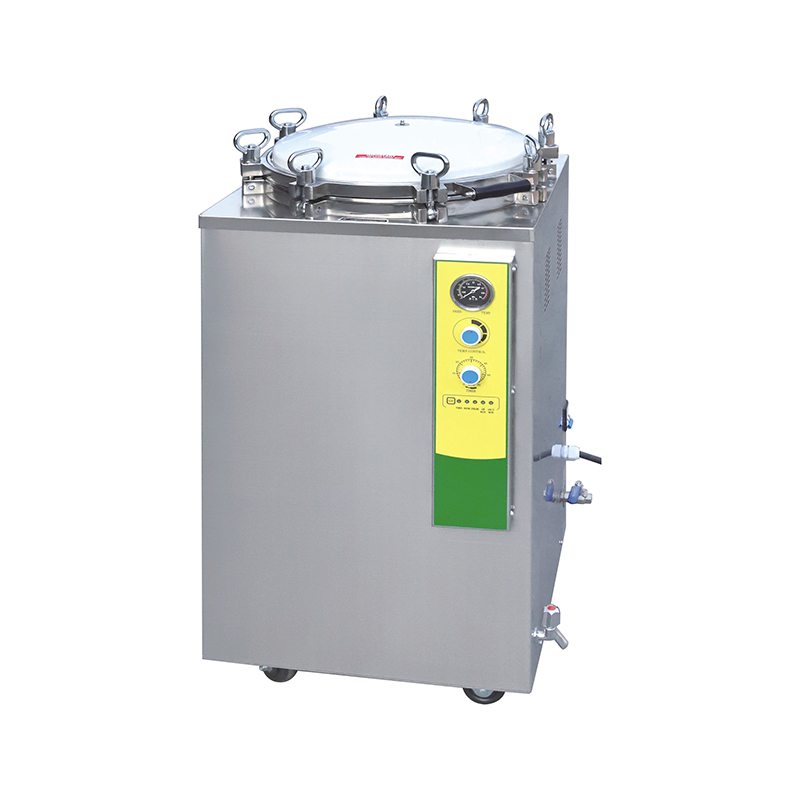
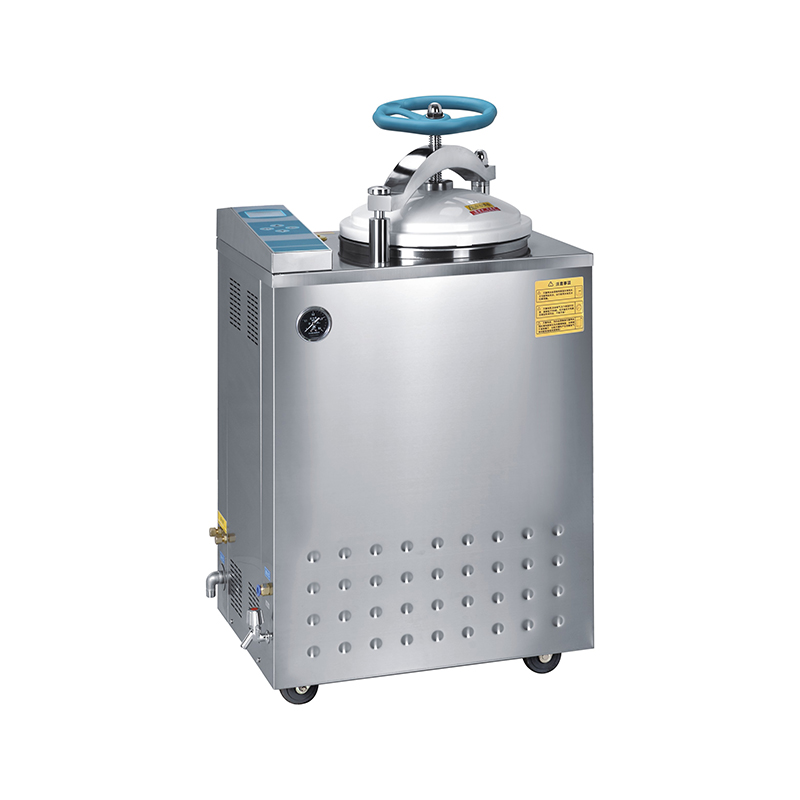
For routine media preparation and biohazard waste decontamination in mid-sized labs, a vertical chamber design offers high capacity and easy top-loading. A unit like the LCD Display Automation Vertical Pressure Steam Sterilizer provides programmable control and a generous 50–75 L chamber that handles both flask baskets and waste bags efficiently.
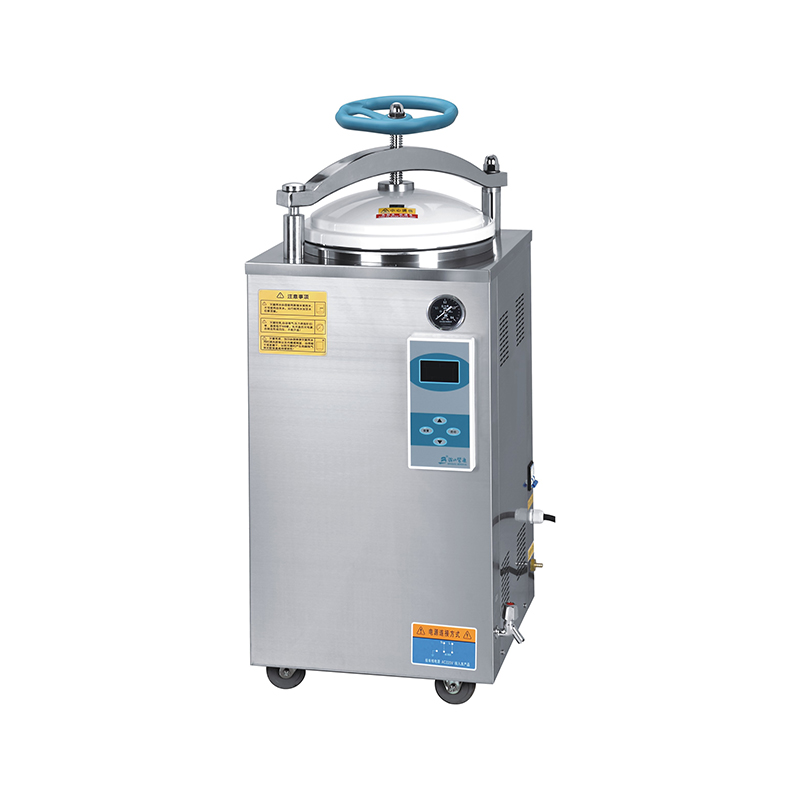 Wholesale LCD Display Automation Vertical Pressure Steam Sterilizer Suppliers, OJiangyin Binjiang Medical Equipment Co., Ltd. is China wholesale LCD Display Automation Vertical Pressure Steam Sterilizer suppliers and ...View Product →
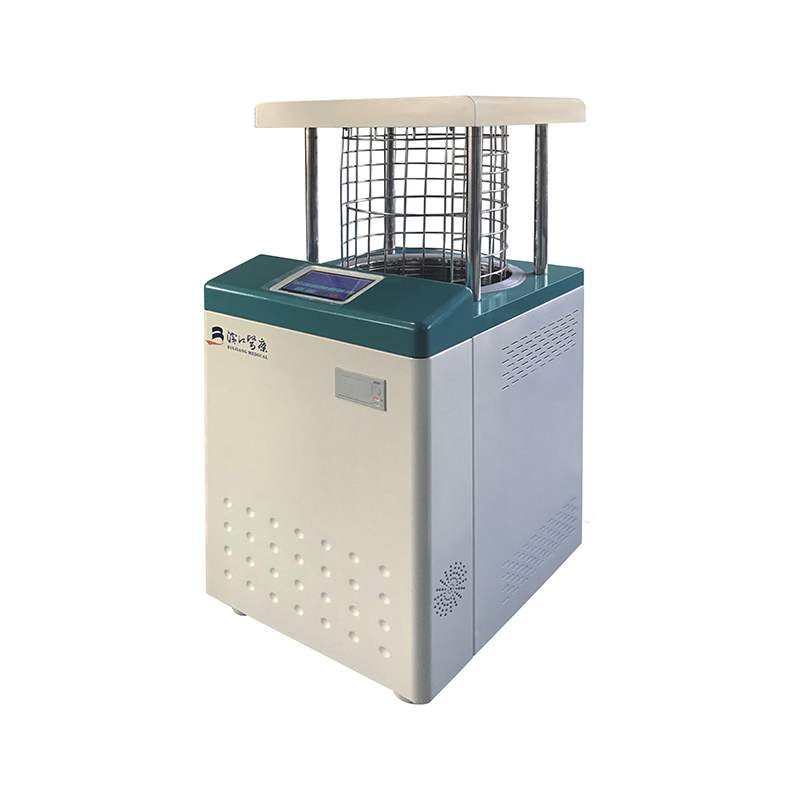
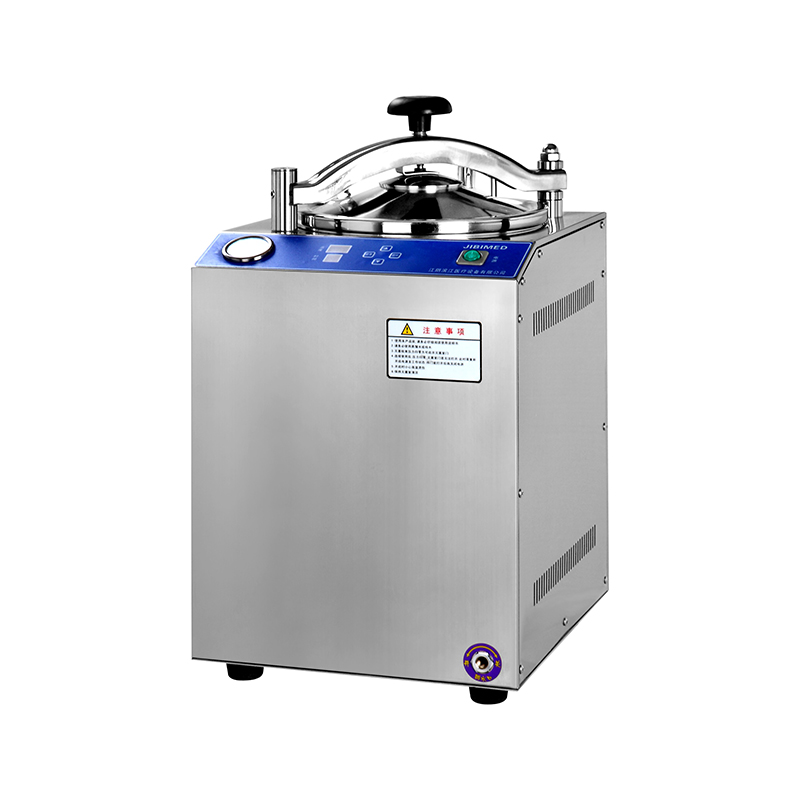
In analytical or microbiology labs where the workload consists mainly of small glassware, pipette tips, and filter assemblies, a Class B tabletop sterilizer with an integrated vacuum pump and touchscreen interface reduces space and energy consumption. The Class B Table Top Pulse Vacuum Steam Sterilizer is purpose-built for these sensitive loads, delivering rapid cycle times and complete drying, which keeps turnaround times low.
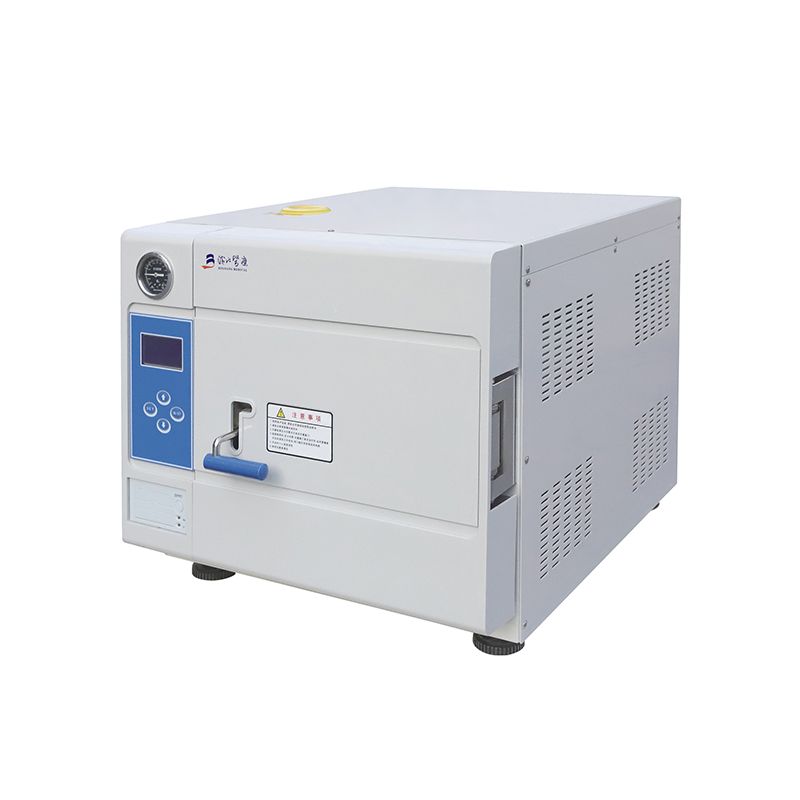 Wholesale Class B Table Top Pulse Vacuum Steam Sterilizer Suppliers, OEM/ODM ComJiangyin Binjiang Medical Equipment Co., Ltd. is China wholesale Class B Table Top Pulse Vacuum Steam Sterilizer suppliers and OEM/ODM co...View Product →
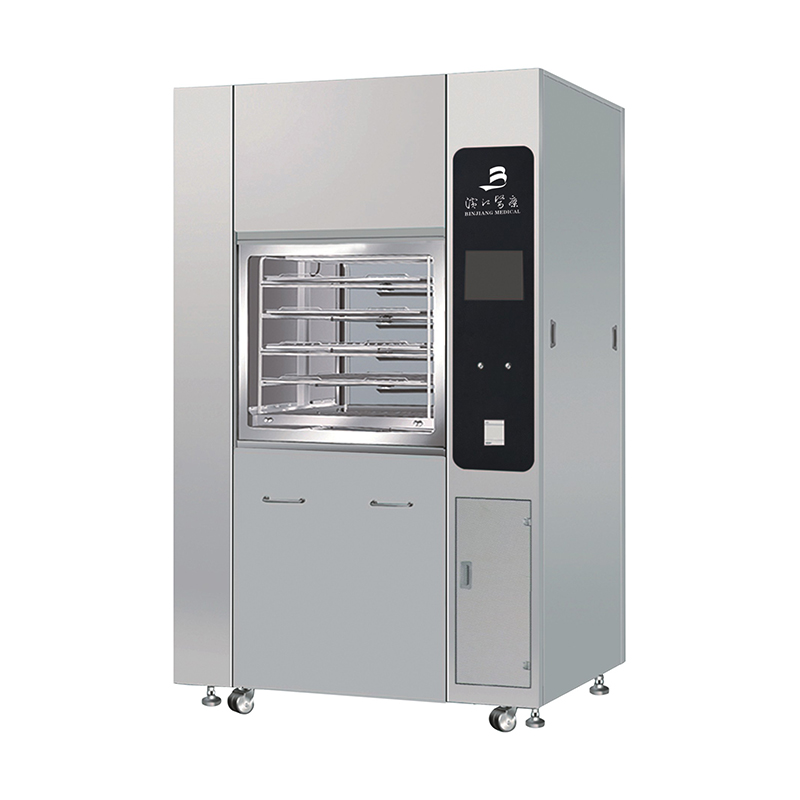
When a QC department serves an entire production facility—sterilizing large volumes of media in 5 L containers or processing multiple waste bins simultaneously—a pulse vacuum autoclave with a rectangular chamber and 150 L or greater capacity becomes necessary. The WG Series Pulse Vacuum Autoclave supports high-throughput loads with a deep vacuum system, multiple safety interlocks, and data export that aligns with GMP quality control documentation requirements.
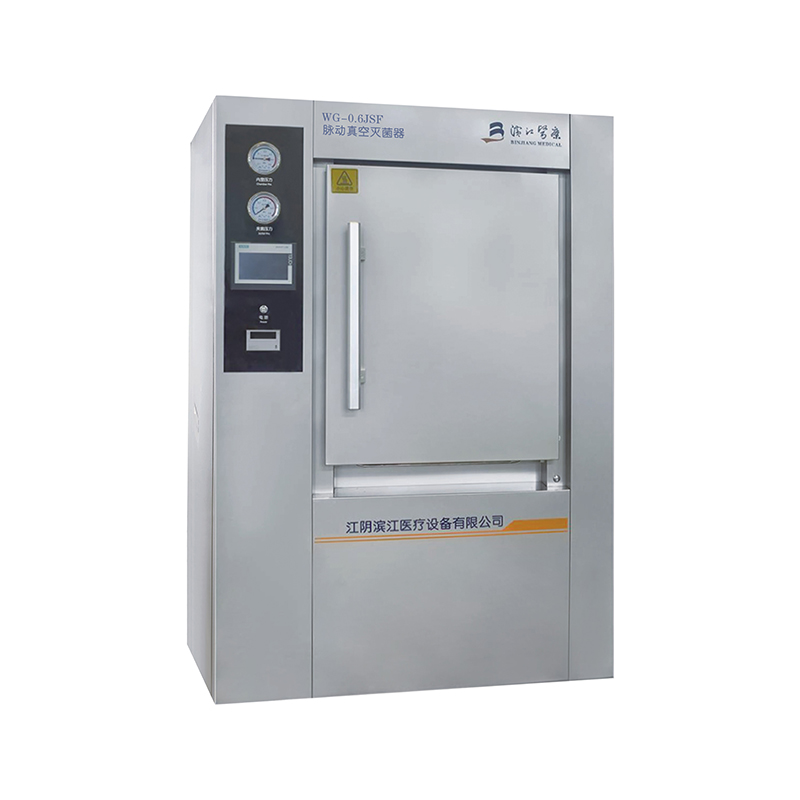 Wholesale WG Pulse Vacuum Autoclave Suppliers, OEM/ODM Company - Jiangyin BinjiaJiangyin Binjiang Medical Equipment Co., Ltd. is China wholesale WG Pulse Vacuum Autoclave suppliers and OEM/ODM company, details: WG se...View Product →
Validation, Maintenance, and Regulatory Compliance
A validated autoclave is not a single event; it's an ongoing state. After installation qualification (IQ) and operational qualification (OQ), you must establish a performance qualification (PQ) schedule that includes at least the following:
- Biological indicator testing: Run a Geobacillus stearothermophilus spore test monthly (or per your SOP) to verify lethality. The autoclave must maintain the required biological kill across all load configurations.
- Bowie-Dick test: For any unit with a vacuum pump, perform a daily air-removal test on an empty chamber to confirm vacuum efficiency.
- Temperature mapping: Thermally map the chamber annually with multiple probes during a loaded cycle to detect cold spots. Any deviation over 1.5 °C from the setpoint warrants recalibration or maintenance.
- Calibration traceability: Pressure and temperature sensors must be calibrated against a reference standard with an unbroken chain of traceability. Keep calibration certificates on file for audits.
Operator training is the most overlooked compliance variable. Every technician who loads or initiates a cycle must understand the difference between a liquid and a fast-exhaust cycle and know how to interpret failure alarms. Build a simple, visual quick-reference card for each stored cycle and attach it near the autoclave.
Making the Investment Decision
When evaluating autoclaves for quality control laboratories, prioritize the four criteria that auditors will review: thermal accuracy, vacuum performance, data logging, and cycle programmability. A machine that saves upfront cost but lacks vacuum drying or secure cycle storage will cost far more in maintenance, re-sterilization, and documentation gaps within the first year. Review the full range of laboratory-tested autoclave configurations on JIBIMED's industry solutions pages, and always request a sample cycle log printout before purchase. If the record doesn't show real-time temperature and pressure traces for the entire hold phase, the autoclave is not ready for a regulated QC lab.