English
 русский
 Français
 Español
 Indonesia
 Deutsch
 عربى
عربى 中文简体
中文简体
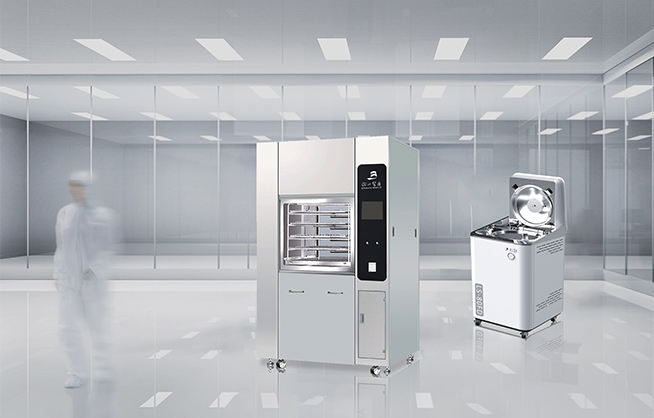
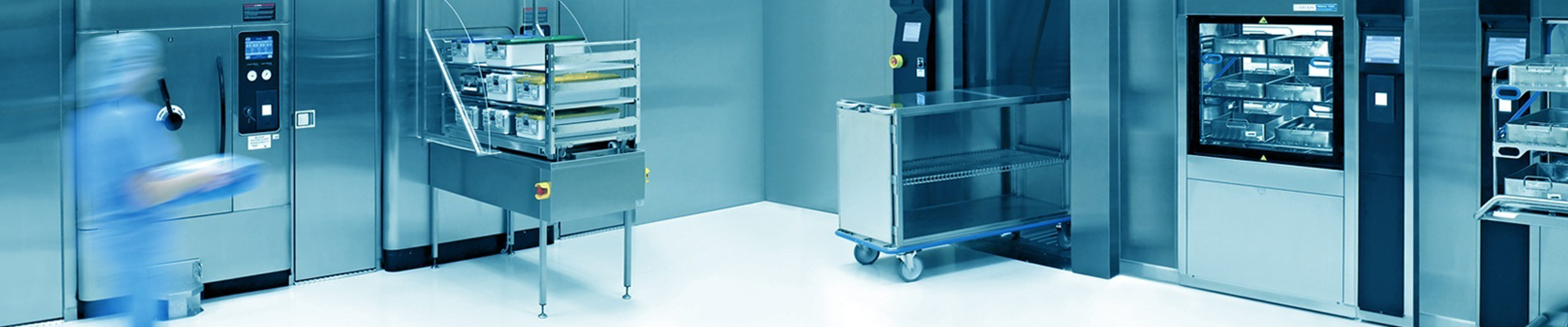
Daily maintenance and upkeep of equipment in decontamination centers
Posted by Admin | 04 Mar
Content
The Central Sterile Supply Department (CSSD) is regarded as the "heart" of the hospital. It is responsible for the cleaning, disinfection, sterilization, and sterile supply of all reusable diagnostic and treatment instruments, devices, and materials used across clinical departments. The overall quality of this work directly affects the efficiency of other clinical operations and is therefore a crucial component of hospital management. In clinical practice, various devices are used to assist in cleaning, disinfection, and sterilization processes. If the quality or performance of these devices is compromised, it will directly affect the effectiveness of these processes. Therefore, routine maintenance and proper care of equipment are extremely important, not only to ensure work quality but also to prevent hospital-acquired infections.
1 Strengthening Staff Operational Awareness
Staff training should be strengthened to continuously improve awareness and ensure personnel understand the importance of routine equipment maintenance and care. Regular training sessions and periodic assessments should be conducted to evaluate staff familiarity with equipment operation and maintenance status. Personnel should have a clear understanding of the equipment structure, performance, working principles, and technical parameters. During daily operations, all procedures must be strictly followed, and non-standard operations must be strictly prohibited. At the same time, it is essential to record and monitor the operating status of equipment during routine use. By analyzing changes in equipment parameters, the operating condition of devices can be effectively evaluated.
2 Implementing Relevant Systems and Standardized Management
Standardized management ensures the smooth execution of all tasks. Implementing clear systems helps define responsibilities, making work more organized and improving staff awareness of their duties. By assigning responsibility to specific individuals, every task has someone accountable, which maintains workflow continuity and enhances efficiency. Equipment should be managed according to standardized procedures. Before daily operation, devices should be inspected; after use, debris inside the chamber should be removed, and routine disinfection and cleaning should be performed. Proper maintenance must also be ensured to maintain equipment quality and performance. During management, assessment systems should be improved. Personnel who fail to follow procedures or neglect cleaning and disinfection responsibilities should receive appropriate penalties, while staff who strictly follow procedures and maintain a positive work attitude should be recognized and commended to encourage compliance.
3 Implementing Modern Information-Based Equipment Management
A dedicated responsibility system should be implemented for equipment management. All data related to sterilization and cleaning equipment—including assessments, maintenance records, quality control data, and operator information—should be stored in a computerized database. This enables convenient statistical analysis and retrieval of equipment attributes and operational parameters, providing strong theoretical and factual support for hospital leadership and decision-making departments. The information system should record the operating parameters of key cleaning, disinfection, and sterilization equipment. Recorded information should include the operator, operating procedures, operation time, and operation details.
4 Routine Maintenance and Care of Cleaning, Disinfection, and Sterilization Equipment
Equipment in the Central Sterile Supply Department frequently comes into contact with water, making it prone to scale buildup and rust. Therefore, special attention should be given to the following aspects.
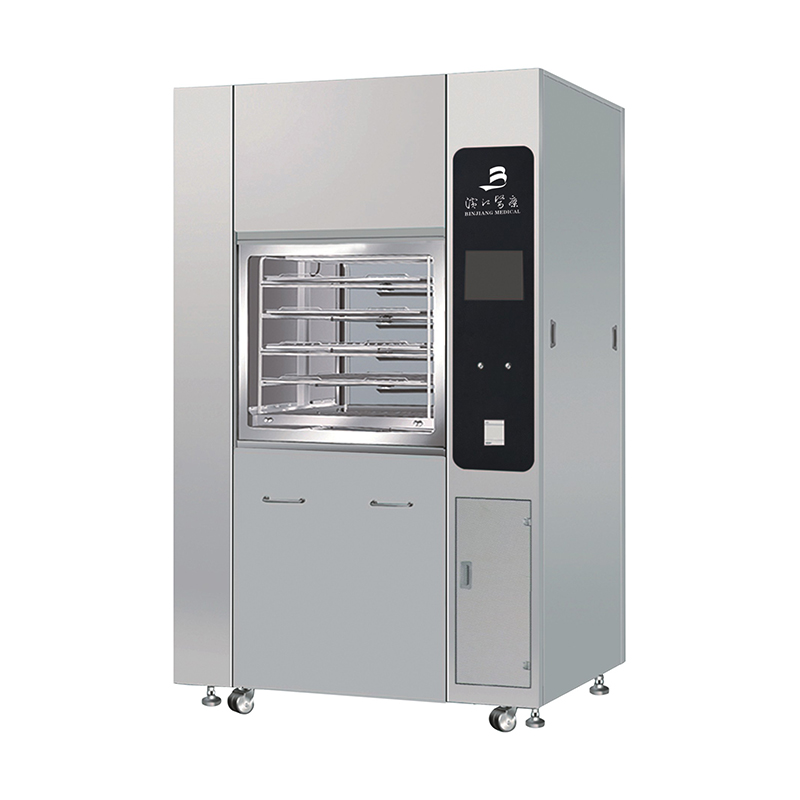
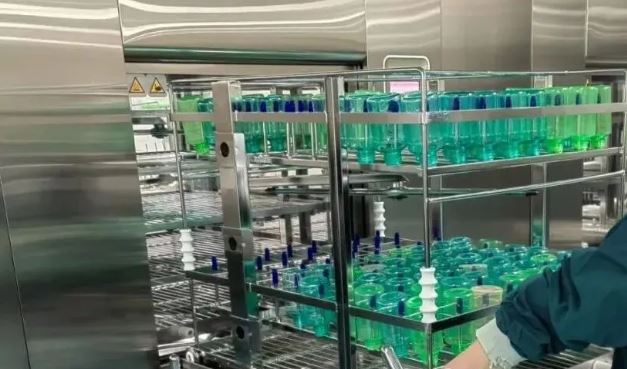
- (1) Washer-disinfectors should undergo scale removal once a week. If scale is not removed in time, it may block the spray arms of the washer, reducing water pressure and lowering cleaning quality. The operation method is to place a small bowl of descaling agent on the cleaning rack and run an empty cleaning cycle.
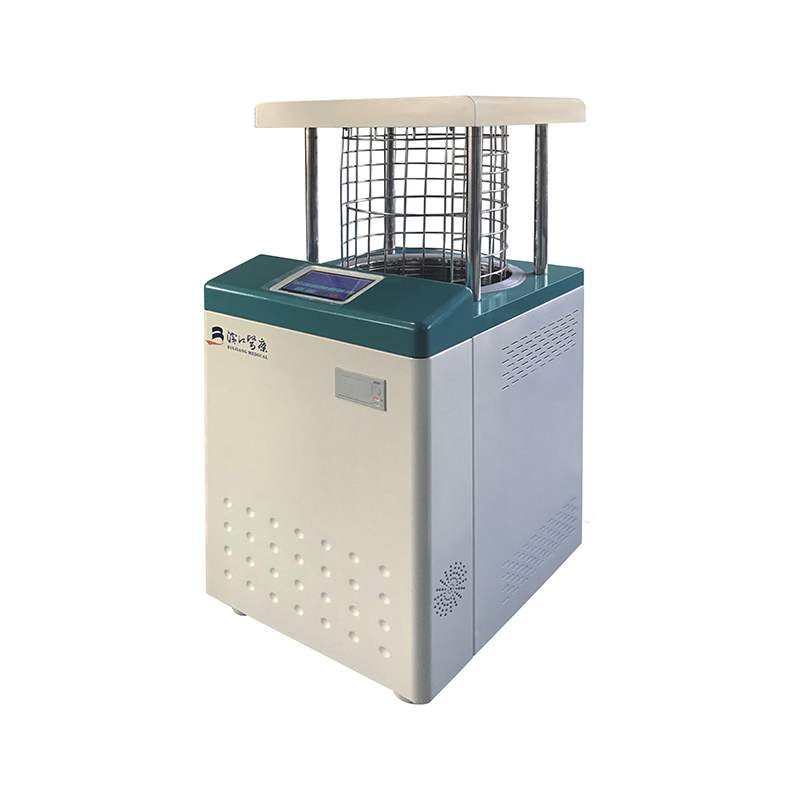
- (2) Disinfection equipment should be wiped regularly with a descaling agent. Any rusted areas should be treated with rust removal and thoroughly rinsed.
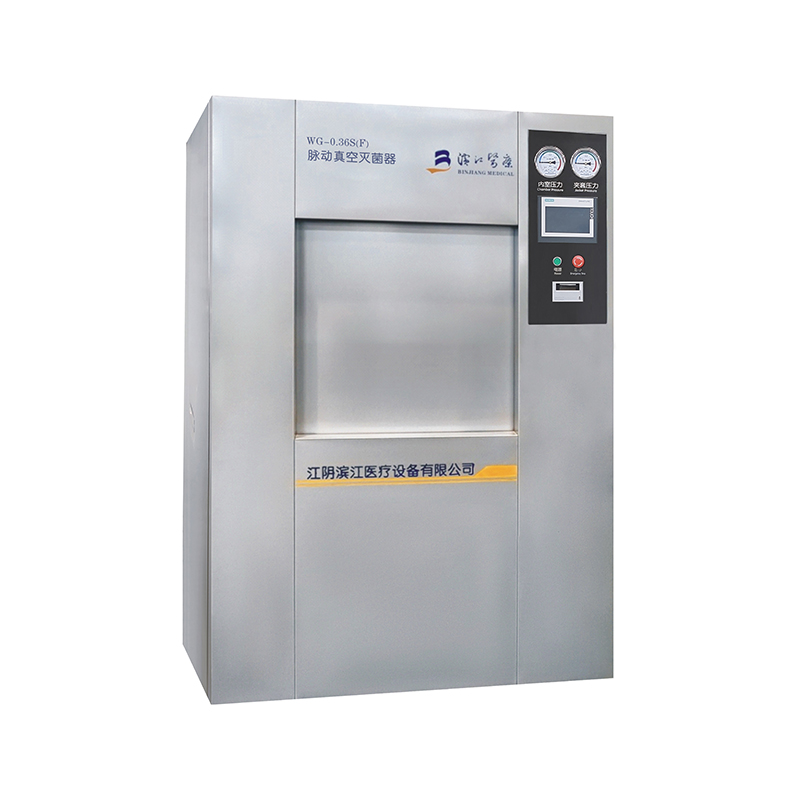
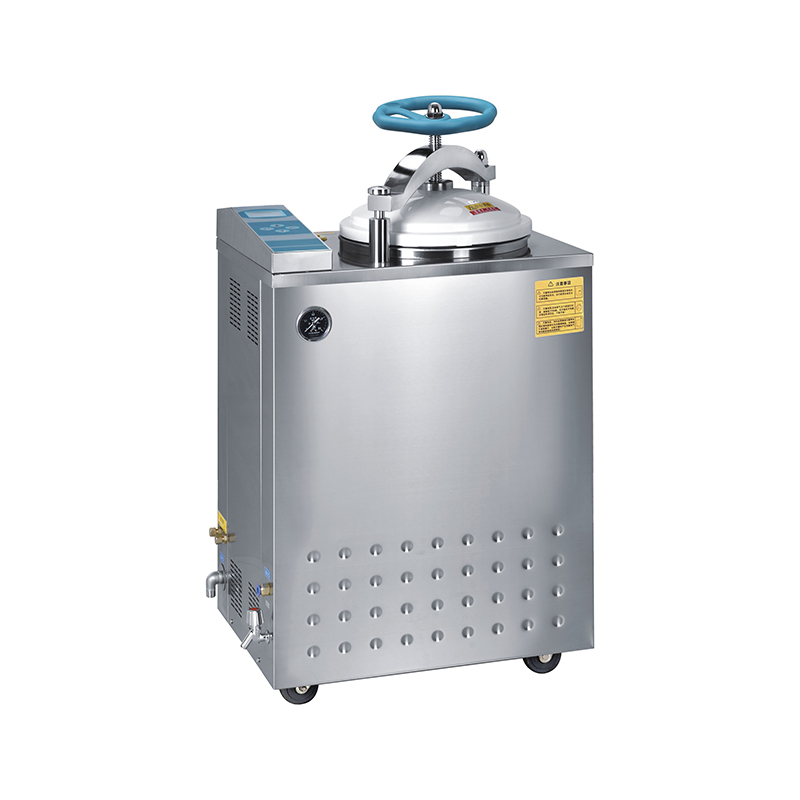
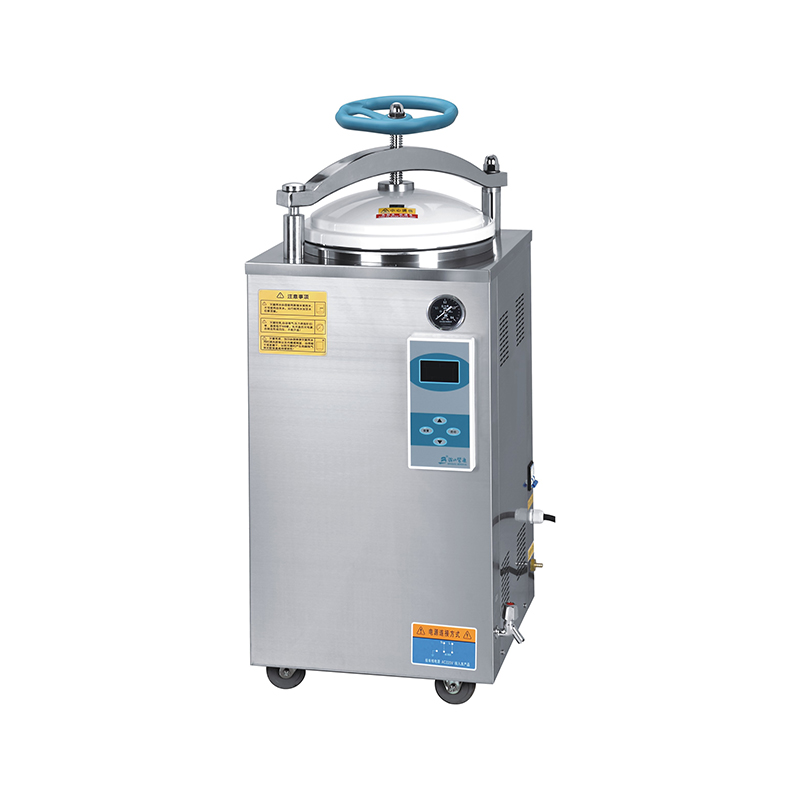
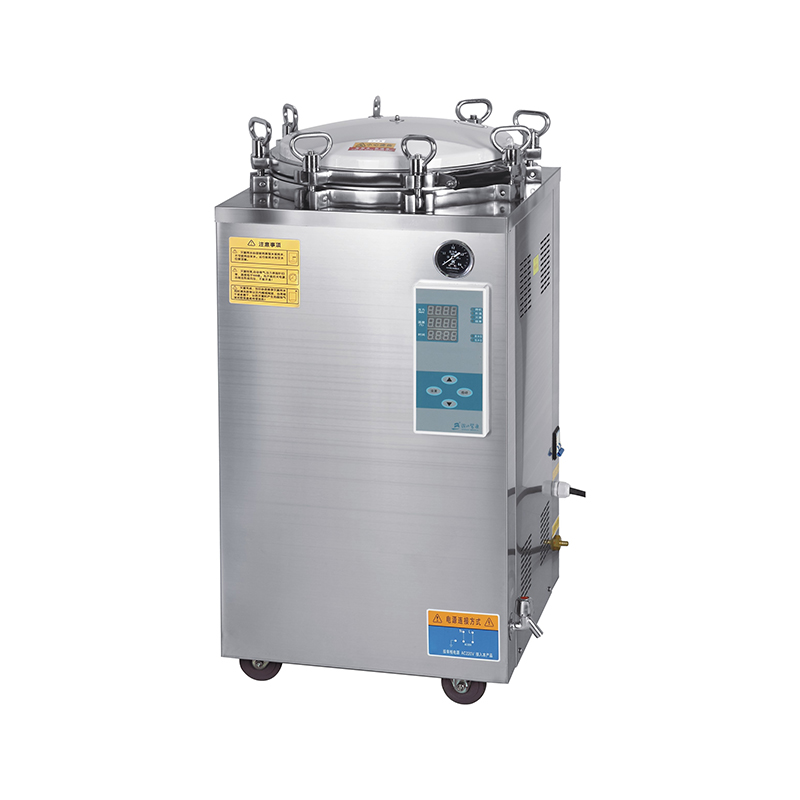
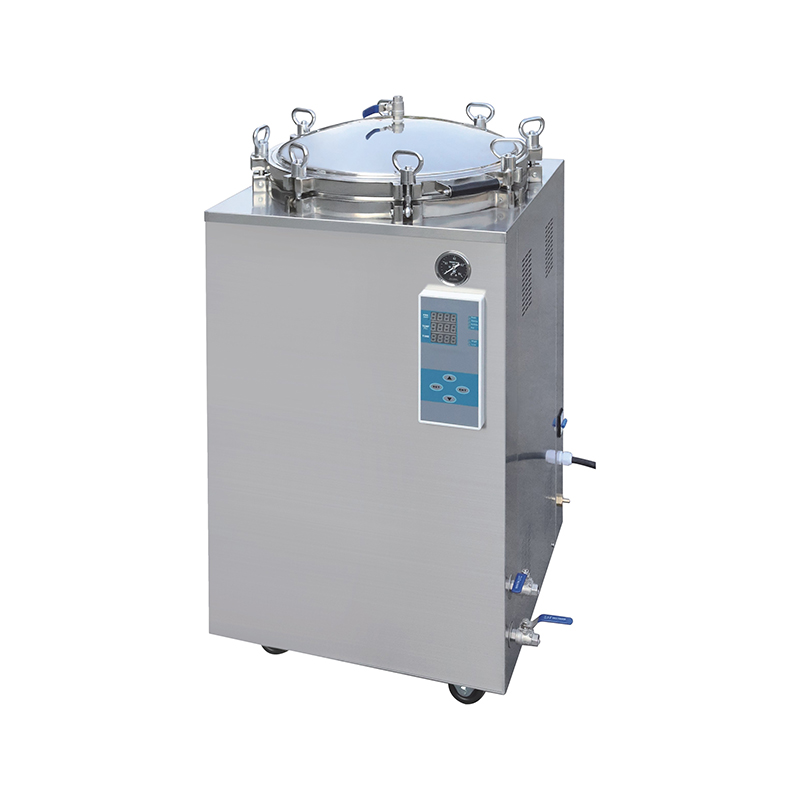
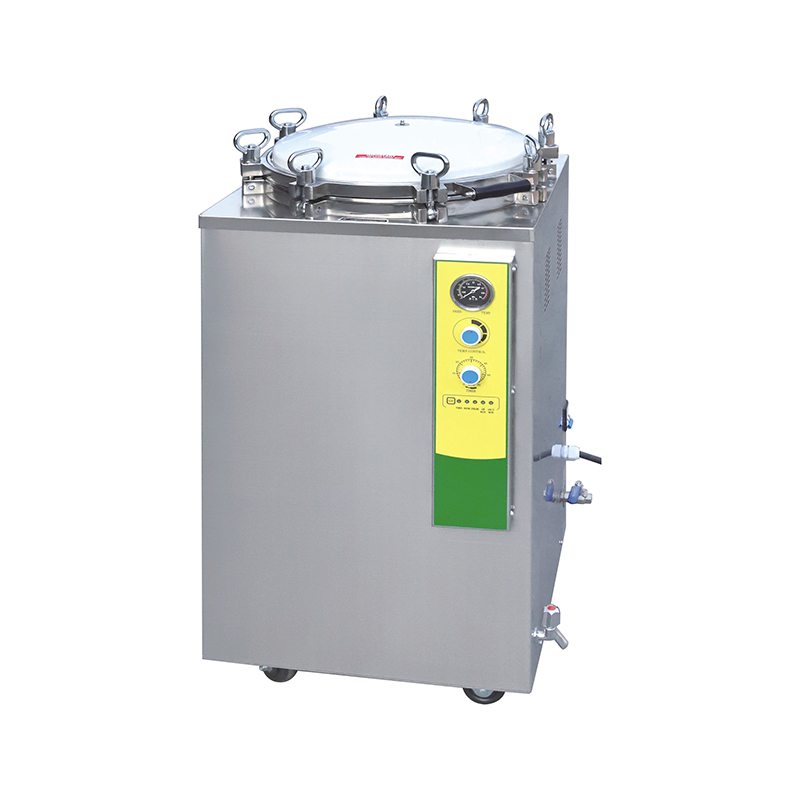
- (3) For high-temperature steam sterilizers, after daily use and once the temperature decreases, lubricating anti-rust agents should be applied to the inner chamber to prevent air exposure and rust formation. Each week, visible rust in the chamber should be removed, followed by descaling and lubrication. When rust or scale is found inside or outside the chamber, a small amount of undiluted solution can be used with a toothbrush or gauze to scrub the affected area, followed by rinsing with distilled water. During rinsing, attention should be paid to prevent solution residues from flowing along the steel plates. After the moisture fully evaporates, apply the lubricating anti-rust agent directly to the chamber and sterilizer door. When no obvious wetness remains, wipe the surface with clean gauze in one direction, preferably from top to bottom. A comprehensive rust and scale removal procedure can be conducted once a month. If the sterilizer is well maintained, the interval can be extended to once every two months or longer.
5 Conclusion
The Central Sterile Supply Department is one of the most critical links in infection prevention and control within hospitals. Therefore, strict quality control must be maintained. Every position should be treated with seriousness, and job responsibilities must be strictly implemented according to standardized, regulated, and scientific management principles. Continuous improvement in infection prevention and control quality is essential—not only for the hospital and patients but also for healthcare workers themselves. In practice, however, certain shortcomings still exist in current management processes, which may affect work efficiency and quality. Future efforts should integrate the above improvement measures to continuously enhance operational efficiency, enabling the CSSD to better support clinical medical services.