English
 русский
 Français
 Español
 Indonesia
 Deutsch
 عربى
عربى 中文简体
中文简体
Dry Heat Sterilizer: How It Works, Uses & How to Choose | JIBIMED
Posted by Admin | 17 Apr
Content
- 1 What Is a Dry Heat Sterilizer?
- 2 How Dry Heat Sterilization Works
- 3 What Can and Cannot Be Sterilized in a Dry Heat Sterilizer
- 4 Key Benefits of Dry Heat Sterilizers
- 5 Common Applications by Industry
- 6 Dry Heat vs. Steam Sterilization: Which Should You Choose?
- 7 How to Choose the Right Dry Heat Sterilizer
When it comes to sterilizing medical instruments, dental tools, and laboratory equipment, dry heat sterilization is one of the most reliable and cost-effective methods available. A dry heat sterilizer uses high temperatures to eliminate all forms of microbial life — including bacteria, spores, and viruses — without relying on steam, pressure, or chemicals. Understanding how this technology works, what it can sterilize, and when to choose it over alternatives is essential for any healthcare facility, laboratory, or industrial operation committed to instrument safety.
What Is a Dry Heat Sterilizer?
A dry heat sterilizer is a device that destroys microorganisms by exposing instruments to sustained high temperatures in a dry air environment. Unlike steam-based methods, it contains no moisture — relying purely on thermal energy to denature proteins and oxidize cellular components of pathogens.
Operating temperatures typically range from 160°C to 200°C (320°F to 392°F), with exposure times varying by temperature. At 160°C, a standard sterilization cycle may take up to 2 hours, while at 200°C, the process can be completed in as little as 10 to 15 minutes. The absence of moisture makes this method uniquely suited to materials that steam would corrode, dull, or damage.
Dry heat sterilizers are widely used across dentistry, surgery, cosmetology, tattooing, podiatry, laboratory science, and pharmaceutical manufacturing — any environment where sharp or precision metal instruments must be sterilized without compromising their integrity.
How Dry Heat Sterilization Works
Dry heat sterilization relies on two core mechanisms: protein denaturation and oxidative destruction of microbial cells. When microorganisms are exposed to sustained high temperatures, their cellular proteins unfold and lose function, and their lipid membranes oxidize — effectively destroying the organism completely.
There are two main types of dry heat sterilizer designs:
- Static (Gravity) Dry Heat Sterilizers: These rely on natural convection or low-velocity fans to distribute heated air throughout the chamber. Heat penetration is slower, which means longer cycle times — often 1 to 2 hours or more at standard temperatures.
- Forced-Air (High-Velocity) Dry Heat Sterilizers: These use a powerful fan system to circulate hot air rapidly and uniformly throughout the chamber. The enhanced airflow dramatically accelerates heat transfer, reducing cycle times to as little as 6 to 12 minutes at higher temperatures.
Forced-air models are generally preferred in clinical and high-throughput settings where efficiency matters, while static models remain common in smaller practices and laboratories where cycle time is less critical.
What Can and Cannot Be Sterilized in a Dry Heat Sterilizer
Because dry heat sterilizers operate at temperatures up to 200°C, only materials that can withstand this level of heat are appropriate for use. Selecting incompatible instruments can result in damage to the tools and — in extreme cases — a fire hazard inside the unit.
| Can Be Sterilized | Cannot Be Sterilized |
|---|---|
| Stainless steel surgical and dental instruments | Instruments with plastic or rubber components |
| Heat-resistant glassware (beakers, vials, syringes) | Hairdressing scissors with non-removable plastic finger inserts |
| Metal nail drill bits and needle holders | Rubber gloves, tubing, or silicone items |
| Ceramic nail drill bits (if manufacturer-approved) | Fabrics, textiles, or paper-wrapped items |
| Steel tips for tattoo machines | Liquids or aqueous solutions |
| Metal file bases for replaceable abrasives | Items with adhesives or low-melting-point coatings |
Always consult the instrument manufacturer's guidelines before sterilizing. If you are uncertain whether a tool can withstand 200°C dry heat, do not place it in the sterilizer.
Key Benefits of Dry Heat Sterilizers
Dry heat sterilization offers a distinct set of operational and economic advantages that make it the preferred choice in many professional settings:
- No corrosion or dulling: The complete absence of moisture means that sharp instruments — scalpels, scissors, dental tools — remain sharp and rust-free after every cycle.
- No chemicals required: The process uses only heat, eliminating the need for chemical sterilants that may leave residues or require special disposal.
- No water supply needed: Unlike steam autoclaves, dry heat sterilizers do not require a water connection, making them easy to install and relocate.
- No routine cleaning: The dry interior chamber does not accumulate mineral deposits or moisture-related buildup, significantly reducing maintenance demands.
- Low total cost of ownership: With minimal consumables, no water, and negligible maintenance, dry heat sterilizers have some of the lowest operating costs among sterilization technologies.
- Sterile storage capability: Instruments sterilized and sealed in appropriate packaging can be stored indefinitely without risk of recontamination — ideal for tray setups in dental and surgical environments.
Common Applications by Industry
Dry heat sterilization serves a broad range of industries where metal instrument sterility is critical:
Hospitals and Surgical Centers: Dry heat sterilizers are used as a complement to primary steam systems — particularly for instruments that cannot tolerate moisture. They are also deployed in central sterile supply departments as backup units. For large-scale hospital sterilization needs, sterilization solutions for hospitals often involve multiple technologies working in parallel.
Dental Clinics: Dental tools — mirrors, explorers, curettes, and burs — are ideal candidates for dry heat sterilization. These instruments are precision metal with no moisture-sensitive components, and retaining their sharpness is critical for clinical performance.
Laboratories: Glassware such as beakers, pipettes, and petri dishes can be effectively sterilized using dry heat without risk of thermal shock from steam condensation. Facilities requiring consistent microbial control rely on laboratory sterilization equipment that meets validated performance standards.
Pharmaceutical Manufacturing: Dry heat is used in pharmaceutical settings not only for sterilization but also for depyrogenation — the removal of pyrogens (fever-inducing substances) from glass containers and metal equipment. Steam cannot achieve depyrogenation at standard autoclave temperatures, making dry heat indispensable in this sector. Dedicated sterilization for pharmaceutical industry applications demands both precision and documentation.
Cosmetology, Tattooing, and Podiatry: Beauty and body art professionals use compact dry heat sterilizer cabinets to sterilize metal tools such as tweezers, clippers, nail drill bits, and tattoo needles between clients — a fast, chemical-free approach to instrument hygiene.
Dry Heat vs. Steam Sterilization: Which Should You Choose?
Both dry heat and steam (pressure steam) sterilization are validated methods for achieving sterility, but they serve different use cases. Choosing the right method depends on the type of instruments you are sterilizing, your facility's infrastructure, and your throughput requirements.
| Feature | Dry Heat Sterilizer | Steam (Pressure) Sterilizer |
|---|---|---|
| Sterilizing agent | Hot dry air | Saturated steam under pressure |
| Operating temperature | 160°C – 200°C | 121°C – 134°C |
| Cycle time | 6 min – 2 hrs (depending on model) | 15 – 60 min |
| Effect on sharp instruments | No dulling or corrosion | May cause dulling or rust over time |
| Compatible materials | Metal, heat-resistant glass | Metal, textiles, rubber, plastics (steam-rated) |
| Water supply required | No | Yes |
| Depyrogenation capability | Yes | No |
| Best for | Precision metal tools, glassware, dental/cosmetology instruments | Mixed loads, wrapped packs, textiles, implantable devices |
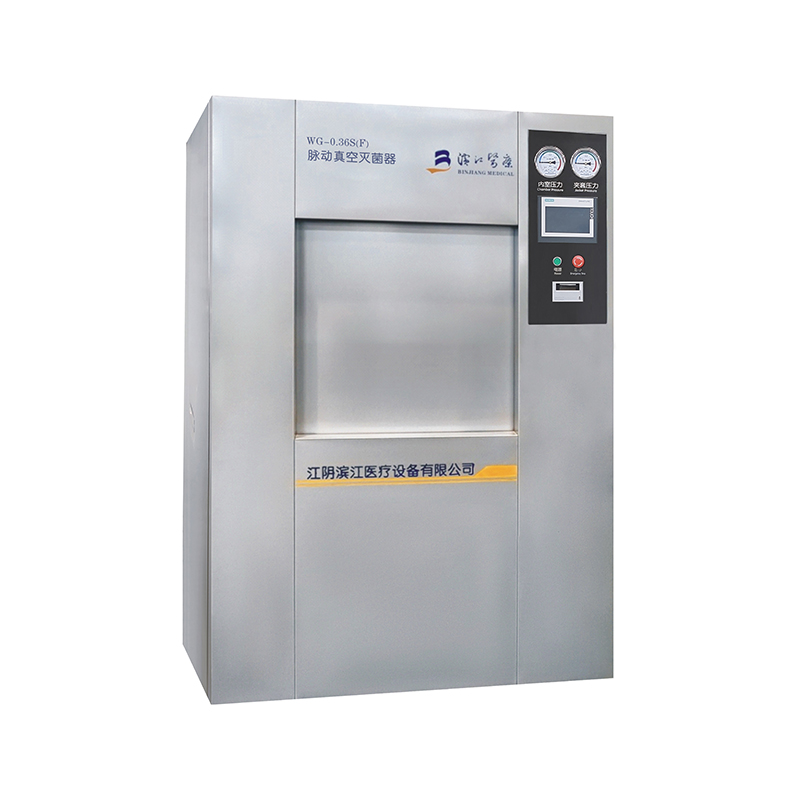
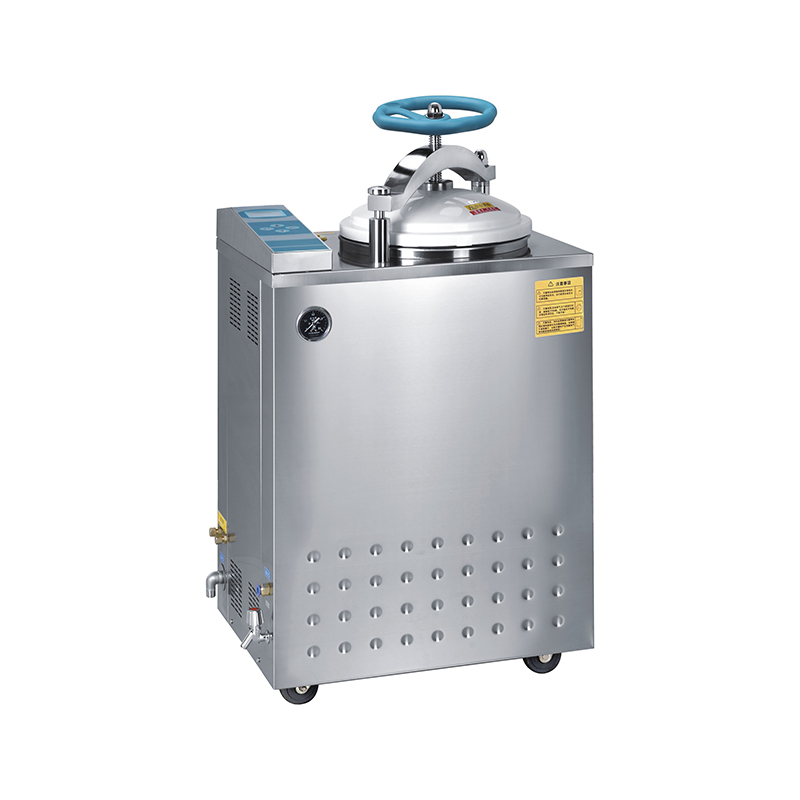
For facilities that process a wide variety of instruments — including wrapped packs, rubber goods, and lumen devices — a pressure steam sterilizer or horizontal pressure steam sterilizer may be the primary sterilization platform. A dry heat unit can then serve as a dedicated system for sharp metal instruments where moisture must be avoided.
How to Choose the Right Dry Heat Sterilizer
Selecting the right dry heat sterilizer requires evaluating several key factors aligned with your operational needs:
- Chamber capacity: Consider the volume of instruments you sterilize per day. Compact units (1–3 liters) suit small clinics and beauty studios; larger chambers are needed for high-throughput dental, medical, or industrial environments.
- Temperature range and accuracy: Ensure the unit can reach and maintain the required temperature (up to 200°C) consistently. Forced-air models with precise electronic controls offer the most reliable results.
- Cycle time: Forced-air (high-velocity) models dramatically reduce cycle times compared to static units — a critical consideration in busy clinical environments.
- Certifications and regulatory compliance: Verify that the unit holds relevant certifications (CE, ISO, or local regulatory approvals) to ensure it meets validated sterilization standards for your region and industry.
- Manufacturer support and documentation: Choose a supplier who provides validation documentation, technical support, and clear operating guidelines — essential for regulated environments such as hospitals and pharmaceutical facilities.
When evaluating suppliers, prioritize manufacturers with a documented track record in medical-grade sterilization equipment, robust quality management systems, and the ability to support both standard and custom configurations for specific industry requirements.