English
 русский
 Français
 Español
 Indonesia
 Deutsch
 عربى
عربى 中文简体
中文简体
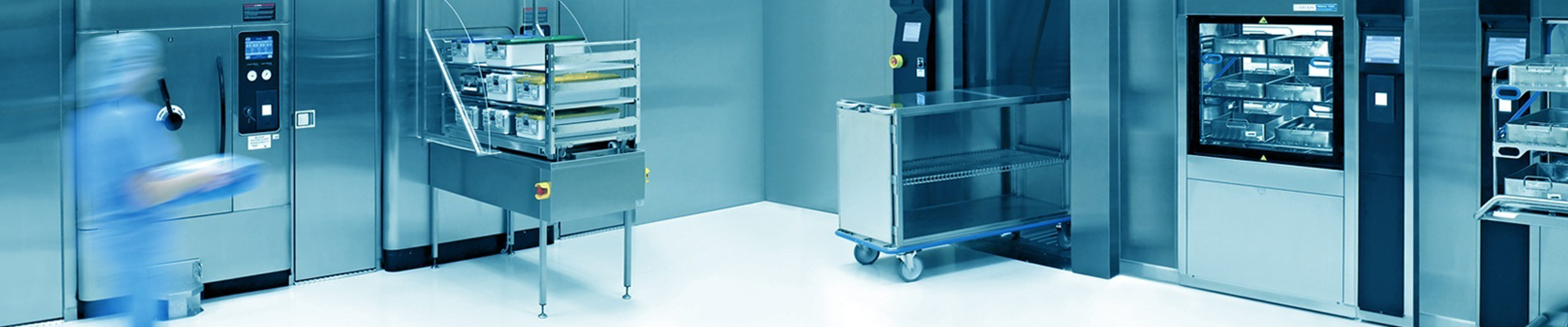
Most Effective Instrument for Pressure Temperature Sterilization
Posted by Admin | 10 Apr
Content
- 1 The Most Effective Instrument for Pressure Temperature Sterilization
- 2 Why an Autoclave Works Better Than Simpler Heat Methods
- 3 How Pressure and Temperature Work Together
- 4 Comparison of Common Sterilization Instruments
- 5 When an Autoclave Is the Best Choice
- 6 Key Factors That Determine Real-World Effectiveness
- 7 Practical Example of Effective Pressure Temperature Sterilization
- 8 How to Choose the Right Instrument for Your Setting
- 9 Final Answer
The Most Effective Instrument for Pressure Temperature Sterilization
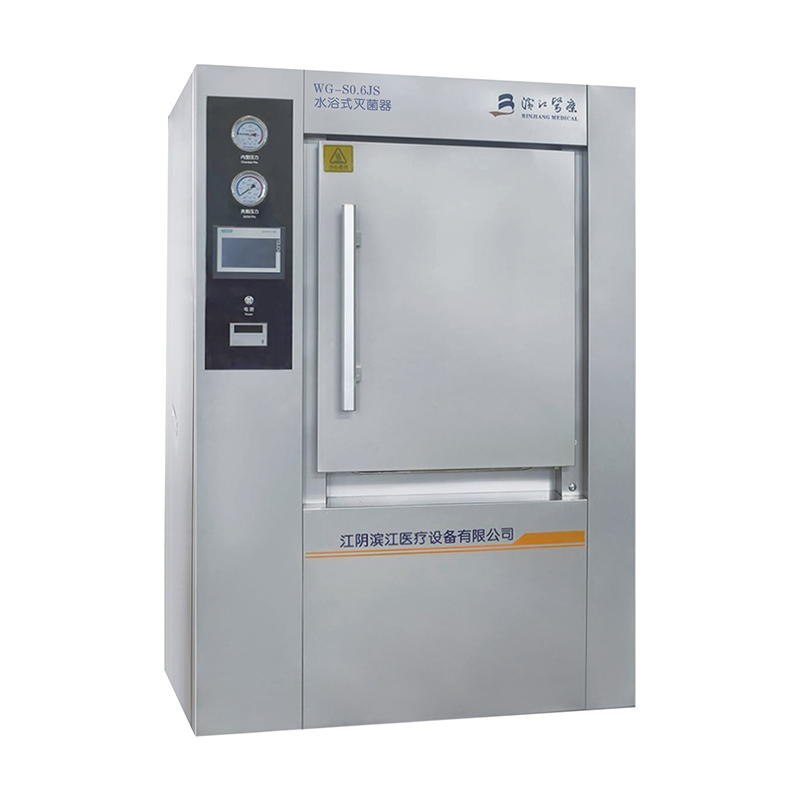
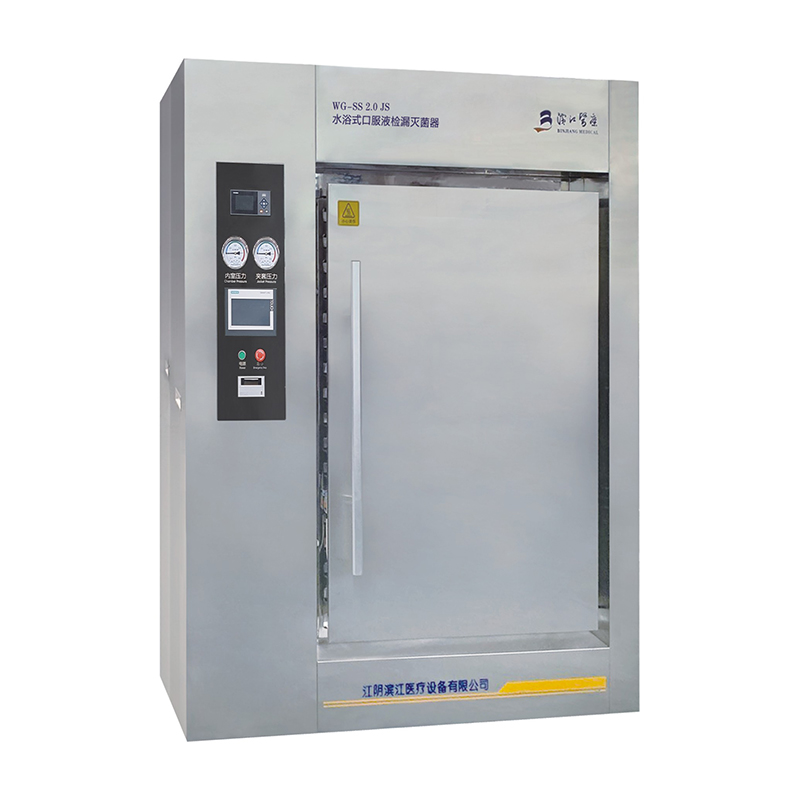
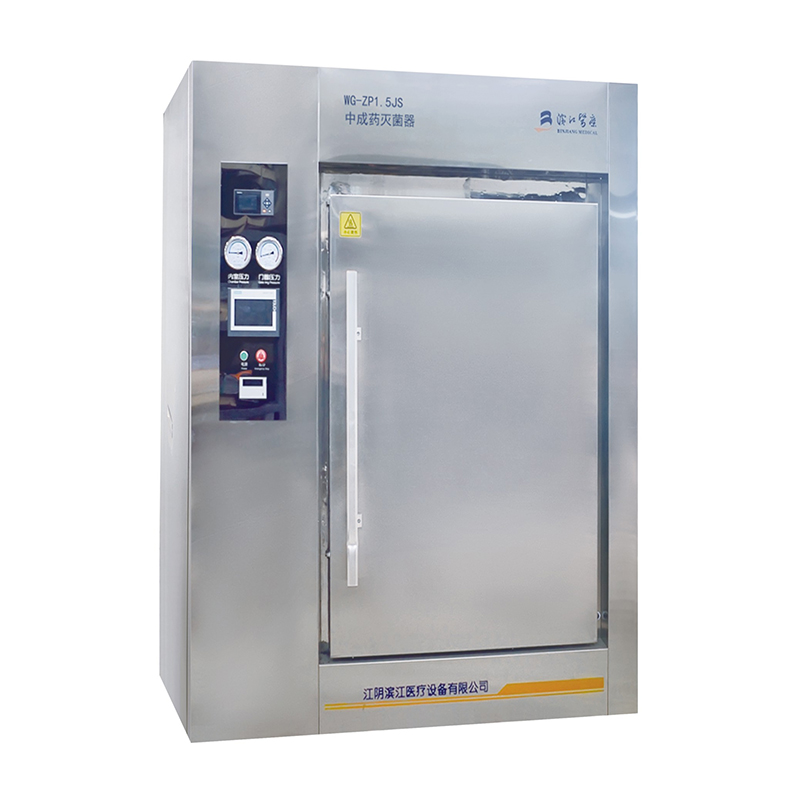
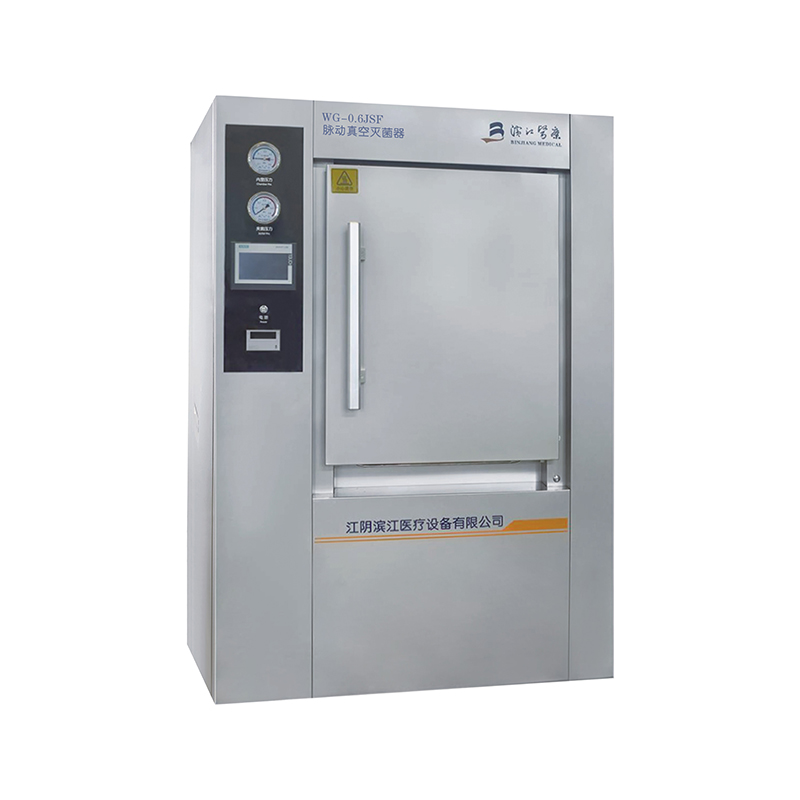
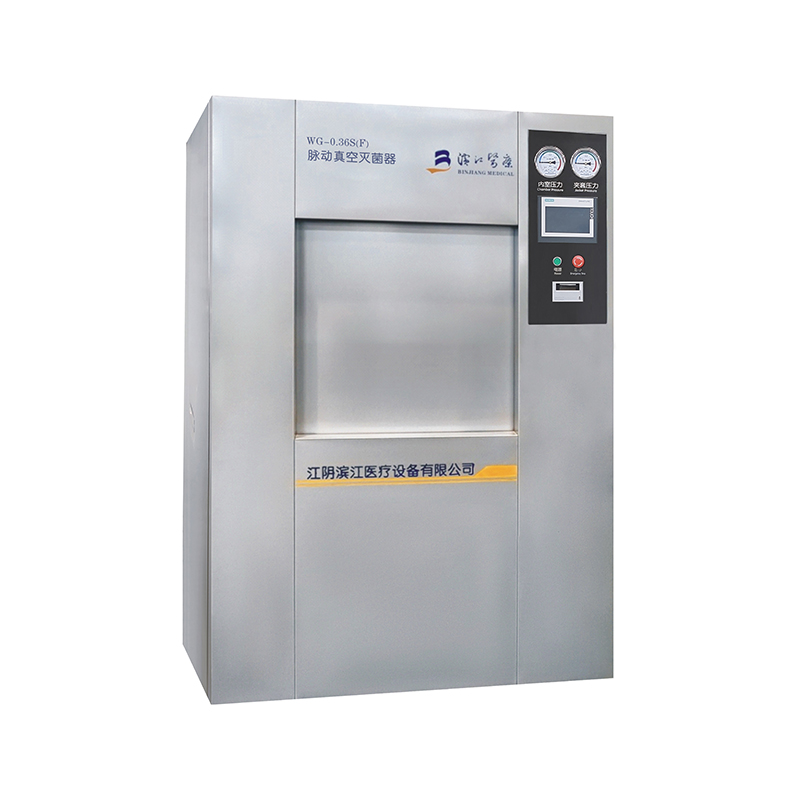
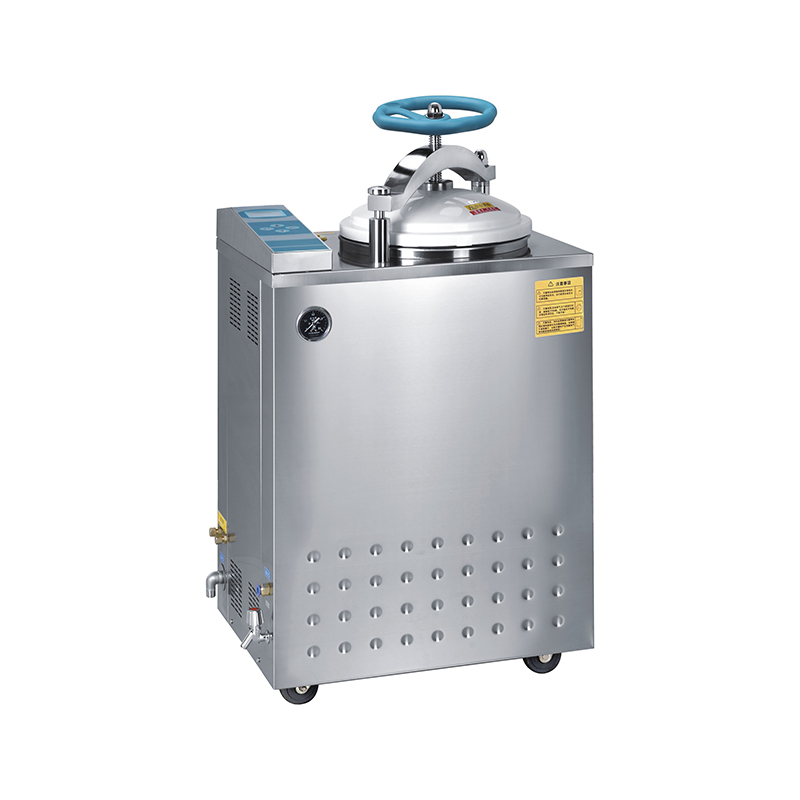
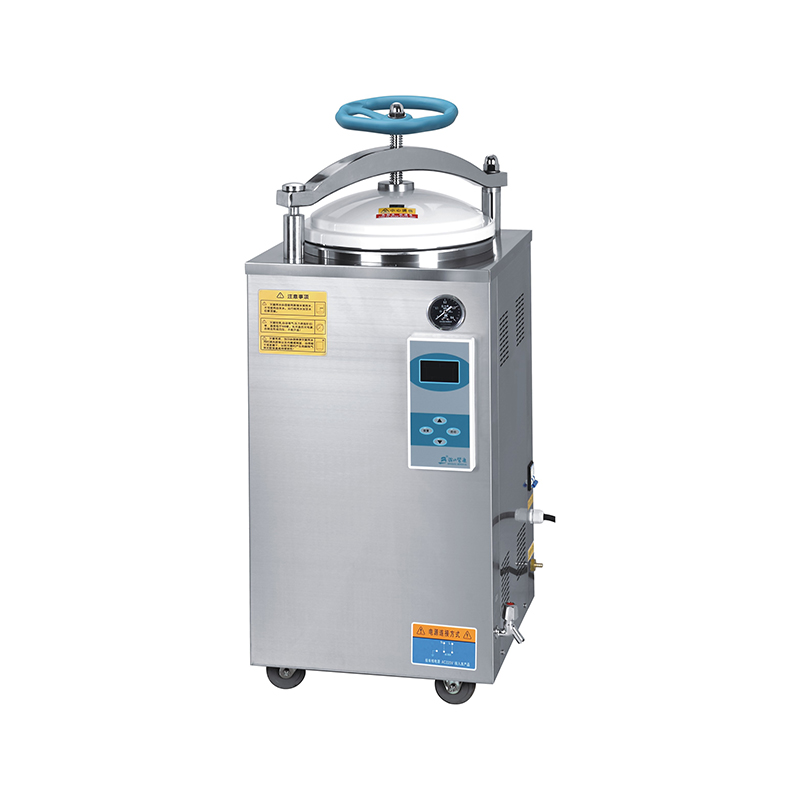
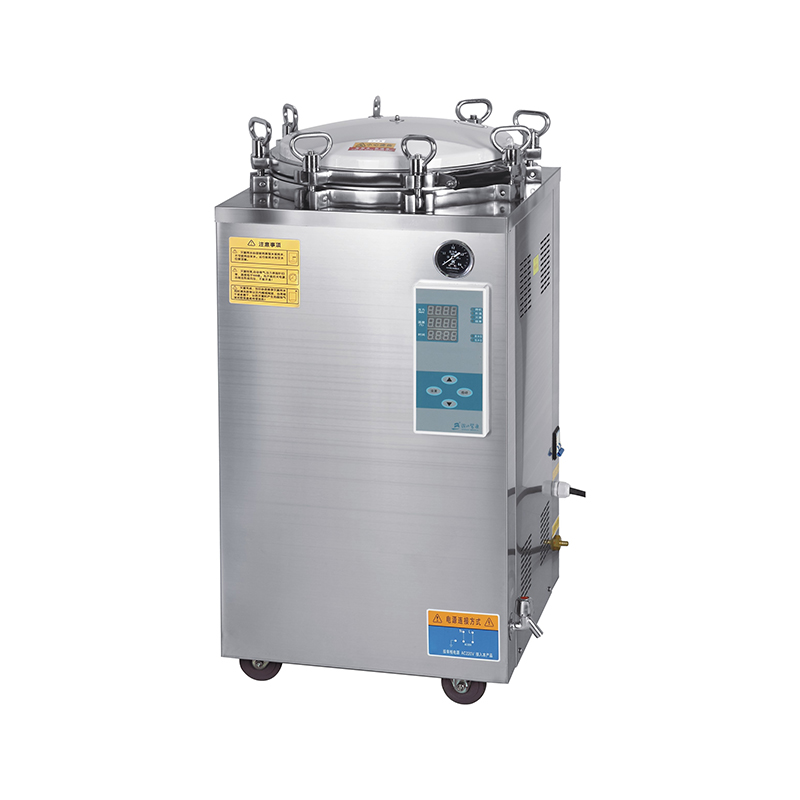
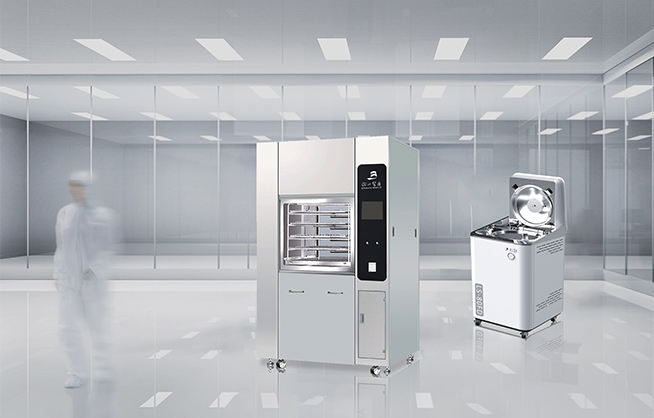
The most effective instrument for pressure temperature sterilization is an autoclave, also called a steam sterilizer. It uses saturated steam under pressure to reach temperatures that kill bacteria, fungi, viruses, and highly resistant bacterial spores more reliably than boiling water or dry heat in many routine applications.
In practical settings, an autoclave is preferred because pressure allows steam to rise above normal boiling temperature. A common operating point is 121°C at about 15 psi for 15 to 30 minutes, while faster cycles may run at 134°C for 3 to 5 minutes depending on the load and procedure. These conditions make steam penetration and microbial destruction highly effective for many metal instruments, glassware, dressings, and laboratory items.
Why an Autoclave Works Better Than Simpler Heat Methods
Pressure temperature sterilization is effective because moist heat transfers energy quickly into microorganisms. Steam condenses on cooler surfaces, releasing latent heat that damages proteins, enzymes, and cell structures. This makes sterilization more dependable than methods that rely only on surface heating.
By comparison, boiling water can disinfect but does not consistently destroy spores. Dry heat can sterilize, but it usually needs higher temperatures and longer exposure times, such as around 160°C to 170°C for 1 to 2 hours. For many routine sterilization tasks, that makes dry heat slower and less efficient than steam under pressure.
- Steam penetrates wrapped or porous loads better than simple hot air.
- Moist heat destroys most microbes faster than dry heat at the same temperature range.
- Pressure allows temperatures above 100°C without requiring extreme heating systems.
- Well-run cycles can be verified with chemical and biological indicators.
How Pressure and Temperature Work Together
The key point is that pressure itself does not kill microorganisms. Instead, pressure allows steam to reach and maintain a higher sterilizing temperature. What matters most is the correct combination of temperature, exposure time, steam quality, and air removal.
Typical sterilization ranges
Many standard cycles are based on either 121°C or 132°C to 134°C. Lower temperatures generally require longer holding times, while higher temperatures allow shorter cycles if the material can tolerate them.
Why air removal matters
Air trapped inside a chamber or package interferes with steam contact. Since sterilization depends on direct steam exposure, incomplete air removal can leave cold spots and reduce effectiveness. That is why proper loading, venting, and validated cycle settings are essential.
Comparison of Common Sterilization Instruments
| Instrument or Method | Typical Conditions | Main Strength | Main Limitation |
|---|---|---|---|
| Autoclave | 121°C at 15 psi for 15 to 30 min, or 134°C for shorter cycles | Fast, reliable, excellent spore kill for many heat-stable items | Not suitable for some heat- or moisture-sensitive materials |
| Dry heat sterilizer | 160°C to 170°C for 1 to 2 hours | Useful for items damaged by moisture | Slower and often less efficient for routine loads |
| Boiling water | 100°C | Simple and accessible | Does not reliably sterilize spores |
| Chemical gas or vapor methods | Varies by process | Useful for heat-sensitive items | Longer processing, more handling controls needed |
When an Autoclave Is the Best Choice
An autoclave is usually the best choice when the items being processed can tolerate both heat and moisture. This includes many reusable metal tools, glass containers, surgical textiles, microbiology media, and certain waste materials that require reliable decontamination.
Common suitable items
- Stainless steel instruments
- Glass flasks and bottles designed for heat exposure
- Wrapped dressings and fabric packs
- Culture media and many laboratory loads
Less suitable items
Some materials are not ideal for steam sterilization, including moisture-sensitive powders, certain plastics, electronics, sharp instruments prone to corrosion if improperly dried, and sealed containers that block steam penetration. In these cases, another validated sterilization method may be more appropriate.
Key Factors That Determine Real-World Effectiveness
Even the most effective instrument will fail if the process is poorly controlled. In practice, pressure temperature sterilization depends on more than simply reaching a target number on a gauge.
- Correct load arrangement: Overpacking blocks steam flow and creates cold spots.
- Accurate time at temperature: The hold time starts only after the entire load reaches sterilizing conditions.
- Steam quality: Steam must be able to contact surfaces evenly and condense properly.
- Routine monitoring: Mechanical readings, chemical indicators, and biological indicators help confirm the cycle worked.
- Drying after the cycle: Wet packs can compromise storage and post-cycle sterility.
Practical Example of Effective Pressure Temperature Sterilization
Consider two loads of reusable metal instruments. One load is processed in boiling water for 20 minutes. The second is processed in an autoclave at 121°C and 15 psi for 20 minutes after proper air removal. The second load is far more likely to achieve true sterilization because it reaches spore-killing conditions consistently across the entire load.
This example shows why the autoclave is not just hotter, but more controlled. The combination of pressure, saturated steam, and validated exposure time is what makes it effective in medical, dental, laboratory, and industrial sterilization routines.
How to Choose the Right Instrument for Your Setting
If the goal is to choose the most effective instrument specifically for pressure temperature sterilization, the answer remains the same: choose an autoclave when the items are compatible with moist heat. Selection should then focus on the load type, cycle control, and verification features needed for safe use.
- Check whether the materials tolerate steam, heat, and pressure.
- Match chamber size and cycle type to the expected load.
- Confirm that temperature, pressure, and exposure time can be monitored clearly.
- Use indicator systems to verify sterilization performance.
- Train staff on loading, cycle selection, unloading, and maintenance.
Final Answer
An autoclave is the most effective instrument for pressure temperature sterilization in most routine applications. It achieves dependable sterilization by using saturated steam under pressure, typically around 121°C at 15 psi or higher-temperature short cycles, to destroy even resistant microbial spores.
Its effectiveness depends on correct loading, full steam contact, proper cycle time, and routine monitoring. When materials can tolerate moist heat, it is generally the most practical and reliable choice for true sterilization rather than simple disinfection.