English
 русский
 Français
 Español
 Indonesia
 Deutsch
 عربى
عربى 中文简体
中文简体
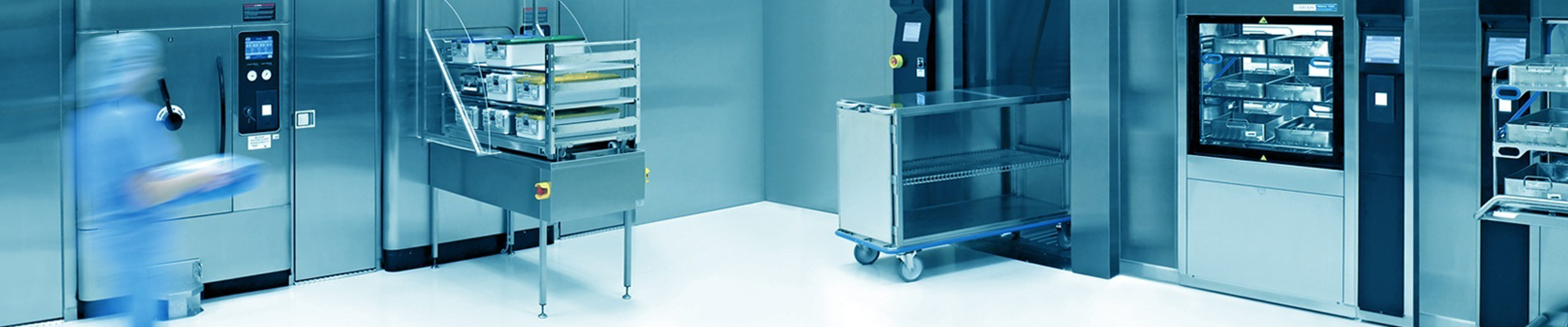
Medical Grade Sterilizer: Technology, Capacity, and Cost Guide
Posted by Admin | 30 Jun
Content
- 1 What Is a Medical Grade Sterilizer? Core Standards and Certifications
- 2 Four Sterilization Technologies: Steam, Plasma, Dry Heat, and EO Compared
- 3 Sizing and Cycle Efficiency: Matching Your Workflow
- 4 Energy Sources and Installation: Electric vs LPG Heating
- 5 Total Cost of Ownership (TCO) Decision Matrix
- 6 Niche Applications: Veterinary, Food, and Laboratory Settings
What Is a Medical Grade Sterilizer? Core Standards and Certifications
A medical grade sterilizer is not merely a larger or hotter pressure cooker. It is a regulated device engineered to deliver a Sterility Assurance Level (SAL) of 10⁻⁶ — meaning a one-in-a-million probability that a single viable microorganism survives on a processed item. Achieving that threshold separates a true medical device from industrial or consumer cleaning appliances. Without it, the device cannot be used for critical or semi-critical instruments in hospitals, dental offices, or laboratories.
The distinction goes far beyond temperature settings. Industrial autoclaves may sterilize waste but lack the documentation and validation protocols required for patient-contact instruments. Household sterilizers rely on dry heat or UV light that cannot penetrate wrapped packs or lumens. A medical grade sterilizer must combine precise thermal control, validated cycle profiles, and third-party certification marks that prove compliance with international norms.
| Feature | Medical Grade | Industrial Grade | Household Grade |
|---|---|---|---|
| SAL (Sterility Assurance Level) | 10⁻⁶ | 10⁻³ to 10⁻⁶ (variable) | Not validated |
| Certifications | FDA 510(k), CE, ISO 13485 | ASME, PED (pressure only) | None or basic safety |
| Cycle Documentation | Built-in printer or digital log | Optional | None |
| Materials Validated | Wrapped packs, lumens, porous loads | Solid waste, liquids | Baby bottles, small tools |
| Typical Cost (USD) | $2,000 – $40,000+ | $500 – $5,000 | $30 – $200 |
Three certifications dominate procurement checklists: FDA 510(k) clearance confirms the device is substantially equivalent to a legally marketed predicate and is required for U.S. clinical use. CE marking with a Notified Body number demonstrates conformity to the European Medical Device Regulation. ISO 13485 certification of the manufacturer’s quality management system ensures consistent production and post-market surveillance. A missing certificate does not always mean poor performance, but it will block reimbursement, accreditation surveys, and medicolegal defensibility.
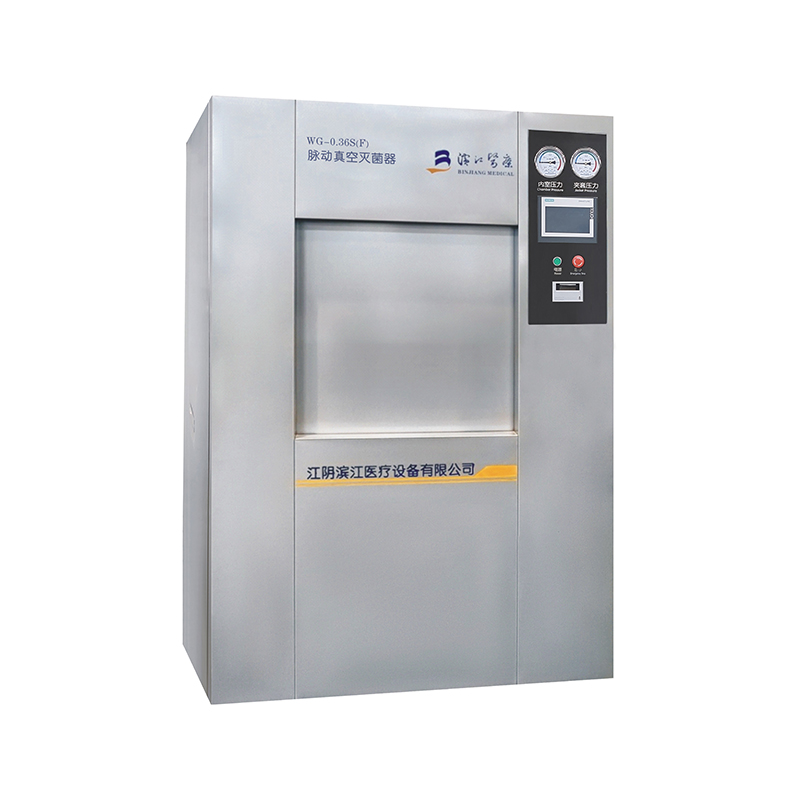
The physical hardware also reflects the medical grade designation. Chamber and piping are typically 316L stainless steel to resist chloride-induced pitting from repeated exposure to saline residues on instruments. Door interlocks, safety valves, and cycle abort functions are designed to protect both the operator and the load. When a clinic purchases a pulse vacuum sterilizer, it is buying not just a vessel but a complete validation package that includes factory acceptance test data, installation qualification, and operational qualification support — the paperwork that proves sterility to a surveyor.
Four Sterilization Technologies: Steam, Plasma, Dry Heat, and EO Compared
No single sterilization method covers every instrument a facility processes. The choice depends on the material composition of the load, its heat tolerance, lumen geometry, and the turnaround time the clinical workflow can tolerate. While steam remains the dominant technology for stainless steel and fabric items, a growing number of heat-sensitive devices demand low-temperature alternatives. Understanding the four primary methods eliminates costly mismatches between the sterilizer and the procedure tray.
Steam sterilization (autoclaving) penetrates wrapped packs and complex cannulations through latent heat transfer. Gravity displacement cycles saturate the chamber at 121°C (15 psi) for 30 minutes for solid instruments; dynamic-air-removal (pre-vacuum or pulse vacuum) cycles operate at 134°C for just 4–6 minutes and are mandatory for porous loads and lumens. Steam’s broad material compatibility — stainless steel, most plastics labeled “autoclavable,” and textiles — makes it the default choice in central sterile supply departments. Its main limitation is moisture retention, which can corrode carbon steel and degrade certain adhesives.
Hydrogen peroxide gas plasma operates at 45–55°C and is the leading low-temperature option for cameras, fiber-optic cables, and powered instruments. A typical cycle lasts 45–75 minutes and leaves no toxic residues, allowing immediate instrument use. The technology cannot process cellulose-based materials (paper, linen) because they absorb the sterilant, nor can it handle long, narrow lumens beyond manufacturer-specified limits. Facilities with high volumes of minimally invasive surgery equipment often pair a plasma sterilizer with a traditional steam autoclave.
Dry heat ovens reach 160–190°C and sterilize by oxidation. They are the method of choice for glassware, oils, and powders that steam would damage or fail to penetrate. Cycle times are long — 60 to 120 minutes — and packaging options are limited to materials that do not melt or ignite. Because dry heat units lack the complex plumbing of steam sterilizers, they are simple to maintain but cannot process wrapped instrument sets or fabrics.
Ethylene oxide (EO) remains the fallback for the most delicate polymer devices and electronics. EO is a gas that penetrates packaging and complex devices at 37–63°C, typically over 2–6 hours, followed by a mandatory aeration phase of 12–48 hours to remove residual gas. The prolonged cycle and strict regulatory requirements for gas handling confine EO sterilization to large hospital processing centers and contract facilities. It is rarely practical for a clinic to operate an on-site EO unit.
| Parameter | Steam | H₂O₂ Plasma | Dry Heat | Ethylene Oxide |
|---|---|---|---|---|
| Temperature Range | 121–134°C | 45–55°C | 160–190°C | 37–63°C |
| Cycle Time | 4–30 min (plus drying) | 45–75 min | 60–120 min | 2–6 h + aeration |
| Material Compatibility | Stainless steel, textiles, autoclavable plastics | Heat-sensitive electronics, optics | Glass, oils, powders | Plastics, electronics, rubber |
| Lumen Penetration | Excellent | Limited by device | None | Excellent |
| Residue Concern | Moisture | None | None | Toxic residuals |
| Typical Capital Cost | $2,000–$25,000 | $30,000–$80,000 | $800–$4,000 | $50,000+ |
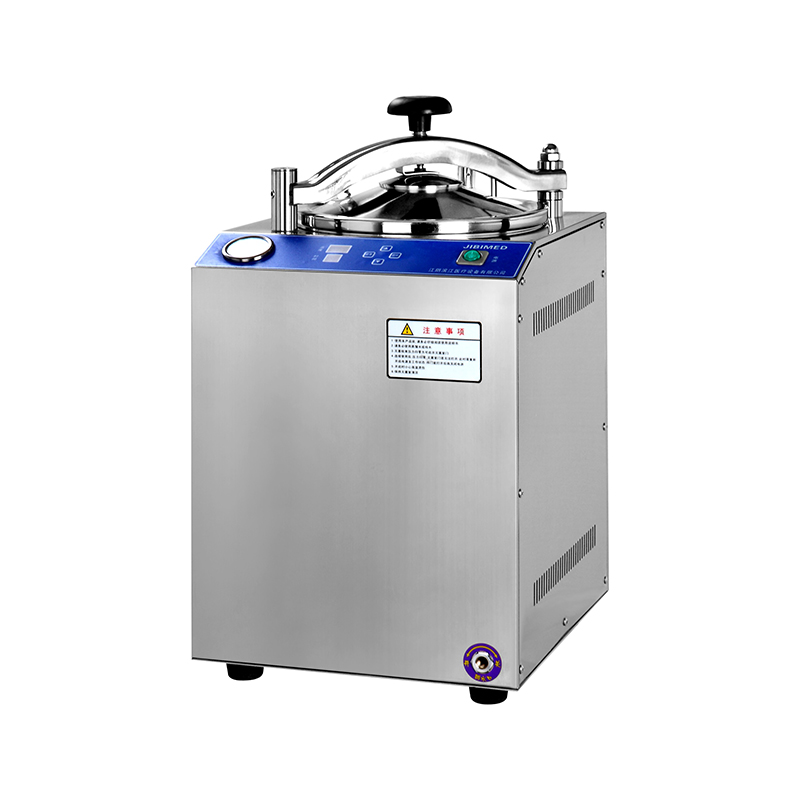
For most ambulatory surgery centers and clinics, a steam autoclave handles 80% or more of the reprocessed inventory. A smaller footprint unit, such as a table-top steam sterilizer, often covers the daily workload while fitting under a counter. The remaining 20% — the fragile endoscopic cameras and driver handpieces — may justify a shared plasma system or an outsourced EO contract. Building the technology mix around the actual instrument census prevents both under-processing and capital waste.
Sizing and Cycle Efficiency: Matching Your Workflow
Chamber volume is the single most common purchasing error clinics make. A unit that is too small forces operators to run back-to-back cycles, starving the procedure area of critical instruments. An oversized unit wastes steam, electricity, and floor space while taking longer to heat. The correct starting point is not the number of doctors but the average instrument packs or cassettes processed per peak hour.
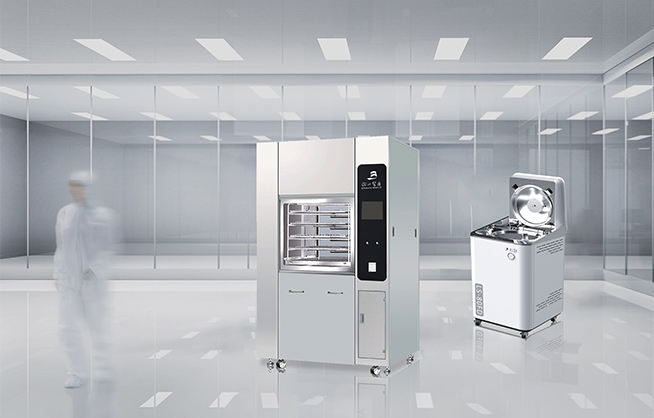
For a dental clinic performing 8–12 procedures per day, a 16–24 liter chamber accommodates two full cassettes and handpieces in a single gravity cycle of roughly 45 minutes from cold start to dry. A small general surgery clinic with 15–20 daily cases often outgrows a table-top format and moves to a 50–85 liter vertical or horizontal sterilizer that can hold three to five wrapped trays. Hospitals running a central sterile department typically require 150–400 liter units with double-door pass-through designs, often as part of a horizontal pressure steam sterilizer line that integrates with cart washers and conveyor systems.
| Facility Type | Daily Instrument Load | Recommended Volume | Typical Cycle Type |
|---|---|---|---|
| Dental office (1–2 ops) | 10–20 cassettes | 16–24 L | Gravity |
| Small veterinary clinic | 20–40 packs | 30–50 L | Gravity / Pre-vacuum |
| Ambulatory surgery center | 40–80 trays | 50–85 L | Pre-vacuum |
| Hospital CSSD | 100+ trays | 150–400 L+ | Pulse vacuum |
Cycle type profoundly influences daily throughput. A gravity cycle at 121°C saturates the load but struggles to remove air from porous materials and wrapped instruments, requiring a full 30-minute exposure plus drying time. Pre-vacuum and pulse vacuum systems actively evacuate air before steam injection, allowing a 134°C exposure of only 4–6 minutes. The difference translates into nearly triple the loads per shift for the same chamber size. Facilities processing lumened instruments or implant sets cannot rely on gravity alone — incomplete air removal will leave cold spots and survival pockets. Investing in a pulse vacuum model, even for a moderate caseload, often pays back within the first year through reduced overtime and fewer rejected biological indicators.
Load density matters as much as chamber size. Overloading a sterilizer by cramming trays together blocks steam circulation and increases the risk of wet packs at the cycle’s end. A practical rule is to leave at least 2.5 cm (1 inch) of clearance between the load and chamber walls, and to use validated weight limits published by the manufacturer. An optimally loaded 50-liter chamber can sterilize more instruments safely than a heavily overloaded 85-liter unit while consuming less energy.
Energy Sources and Installation: Electric vs LPG Heating
Most medical grade sterilizers rely on electric immersion heaters drawing 2–9 kW, which demands a dedicated circuit — often 208–240 V single-phase or three-phase for larger units. In grid-dependent clinics, the operational cost per cycle is predictable: roughly $0.50–$2.00 in electricity for a typical 30-minute cycle at U.S. commercial rates. The hidden expense lies in installation. Upgrading a panelboard, pulling heavier-gauge wiring, and adding a local disconnect can add $800–$2,500 to the project before the unit is even delivered.
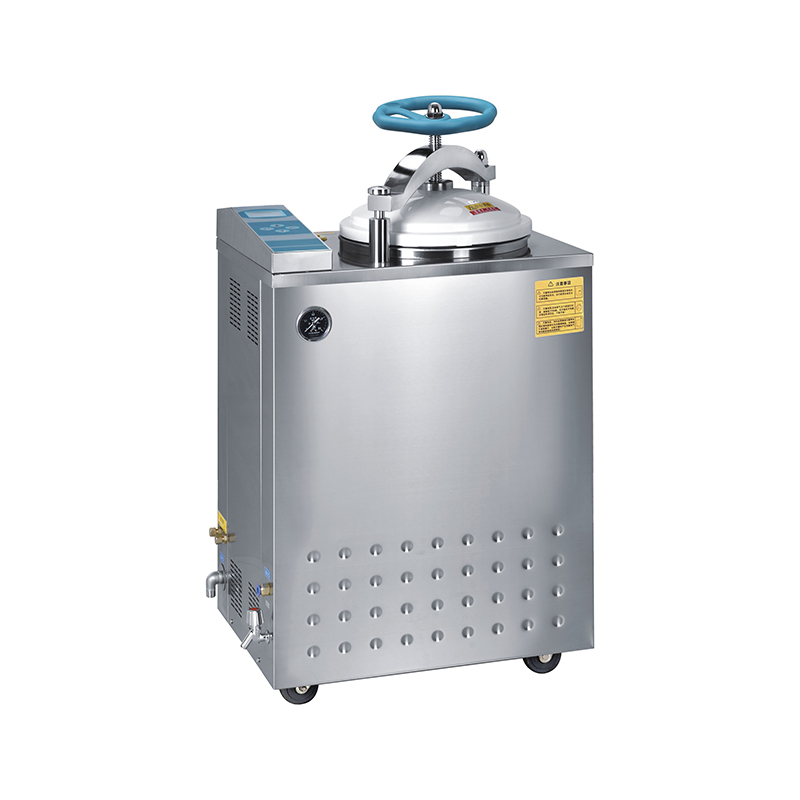
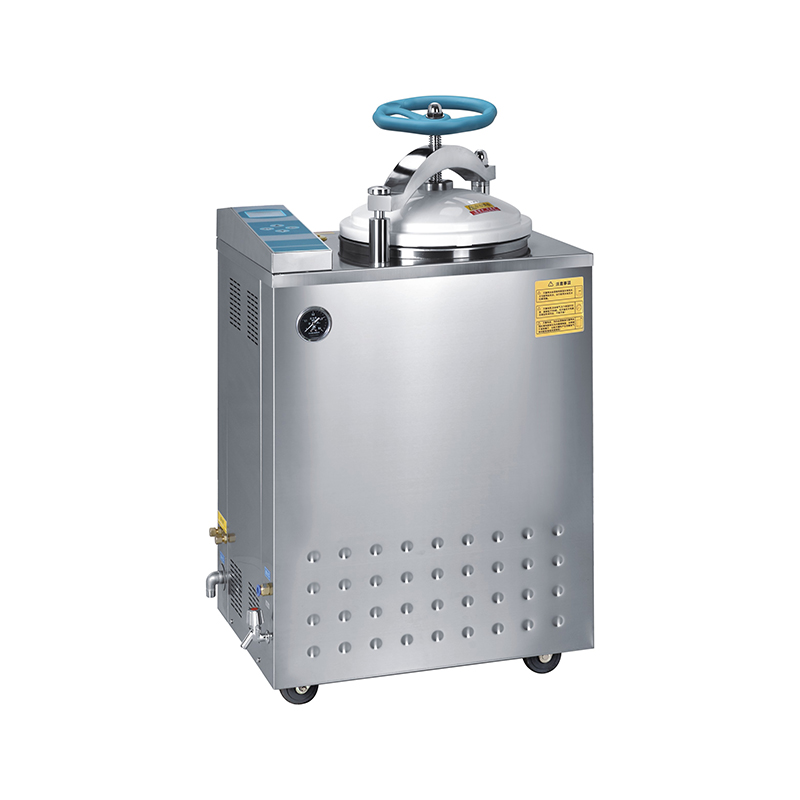
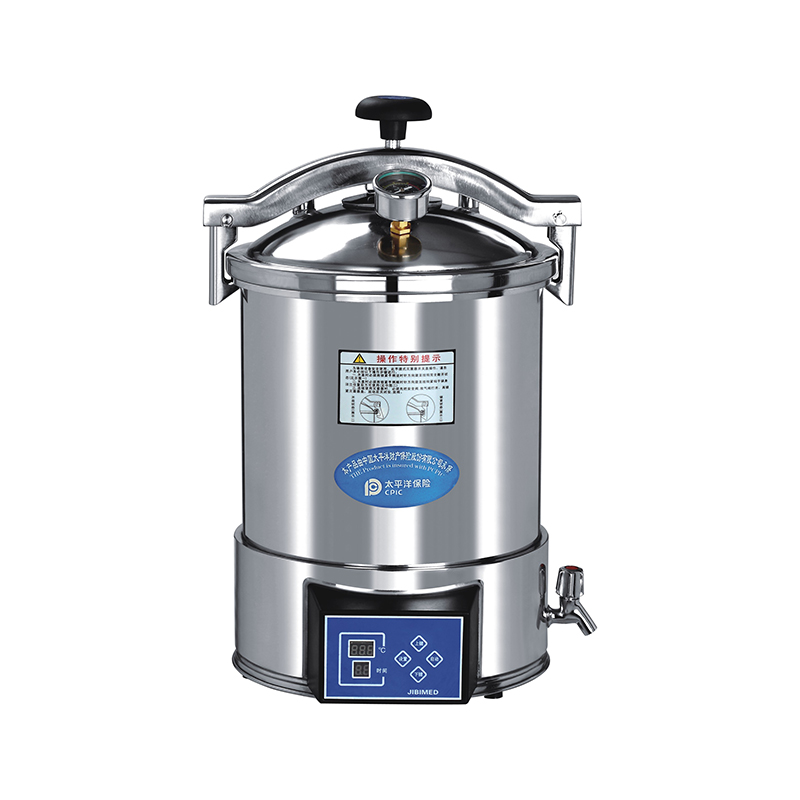
For mobile clinics, field hospitals, and regions with intermittent power, liquid petroleum gas (LPG) heating offers a differentiated solution. An LPG-heated portable sterilizer burns propane or butane in an external burner assembly, eliminating the need for any electrical connection — not even a battery for the controller in some manually operated designs. These units achieve the same 121°C saturated steam conditions as their electric counterparts. The trade-off is a higher per-cycle fuel cost, typically $1.50–$3.00 depending on local LPG prices, and the need to manage gas cylinder inventory. A portable pressure steam sterilizer with LPG heating remains the only viable option for disaster response teams and remote veterinary services where generator capacity is reserved for surgical lights and monitors.
| Factor | Electric | LPG |
|---|---|---|
| Power Requirement | 208–480 V, 2–9 kW | None (manual igniter) |
| Per-Cycle Energy Cost | $0.50–$2.00 | $1.50–$3.00 |
| Installation Complexity | High (dedicated circuit) | Minimal |
| Portability | Limited by power access | High |
| Emissions / Ventilation | None | Requires outdoor or vented use |
| Best Application | Fixed clinics, CSSD | Mobile clinics, field hospitals |
Water quality is a cross-cutting requirement regardless of the heat source. Tap water containing dissolved minerals will rapidly foul heating elements and steam generators, leading to scale buildup that reduces heat transfer and triggers premature element failure. The minimum standard is distilled or deionized water with conductivity below 15 µS/cm. Many modern sterilizers include a built-in water quality sensor that locks out the cycle if conductivity exceeds the threshold, protecting both the load and the chamber. A laboratory-grade water still or a commercial deionization cartridge system is not an optional accessory — it is a prerequisite for warranty coverage.
Total Cost of Ownership (TCO) Decision Matrix
The price on the quotation is the smallest chapter in a sterilizer’s financial story. A $4,000 table-top autoclave that costs $1,200 per year in maintenance, $400 in printer rolls and biological indicators, and $600 in electricity will outspend a $7,000 unit with a lower service frequency and a reusable data logger within five years. A disciplined TCO analysis separates clinically acceptable models from financially draining ones.
Three categories dominate ongoing expenses: preventive maintenance contracts, consumables, and energy. Most manufacturers recommend semi-annual or annual servicing that includes gasket replacement, safety valve testing, and calibration, typically costing 5–10% of the purchase price per year. Consumables drift upward when the unit relies on proprietary thermal paper, chemical indicators, and specific biological indicator vials. Energy, while often overlooked, can exceed $1,000 per year for a large pulse vacuum unit running 20 cycles per day in a high-electricity-rate region.
| Sterilizer Type | Purchase Price | Annual Maintenance | Annual Consumables | Annual Energy | 5-Year TCO |
|---|---|---|---|---|---|
| 24 L table-top gravity | $3,500 | $350 | $280 | $320 | $8,250 |
| 50 L vertical pre-vacuum | $9,000 | $700 | $320 | $600 | $17,100 |
| 85 L horizontal pulse vacuum | $18,000 | $1,200 | $400 | $1,000 | $31,000 |
| 150 L pass-through CSSD | $32,000 | $2,000 | $600 | $1,800 | $54,000 |
Facilities that run fewer than five cycles per day should question whether a low-voltage table-top model with a simple gravity cycle covers the entire need. The per-cycle cost of an underutilized high-capacity unit is punishing. Conversely, a busy surgery center that pushes a small sterilizer to its limit will incur hidden overtime labor costs and may experience higher instrument replacement rates due to wet packs or incomplete sterilization. The break-even point for upgrading from gravity to pre-vacuum, for example, typically occurs when load count exceeds eight per day, because the time savings release at least one staff hour per shift.
Spare parts availability and local service support also weigh on TCO. A sterilizer manufactured in a region with an established distributor network can have a gasket or heating element replaced within 24 hours. An exotic import with no local inventory forces a clinic to keep costly spare parts on the shelf or face downtime measured in weeks. The lowest bid rarely wins on lifetime cost once service response time is factored in.
Niche Applications: Veterinary, Food, and Laboratory Settings
A medical grade sterilizer designed for human surgical instruments often fails in adjacent industries — not because the technology is inferior, but because the load characteristics and regulatory environment are different. Veterinary practices process larger instruments such as spay hooks and orthopedic drills, often wrapped in heavy-duty textiles that retain more moisture. Food testing laboratories need to sterilize media and discard biohazardous waste under HACCP protocols. Research labs handle glassware and liquid loads requiring slow exhaust cycles to prevent boil-over. Each niche demands specific cycle parameters and validation methods.
Veterinary clinics present a particularly difficult challenge. The combination of animal hair, which can lodge in door gaskets and filters, and high volumes of large instrument packs forces a sterilizer to sustain vacuum levels under less-than-ideal loading conditions. A purpose-built veterinary sterilizer often includes a coarser pre-filter system, a robust vacuum pump rated for continuous duty, and chamber dimensions that accommodate the longer instrumentation used in equine and bovine surgery. Pre-vacuum cycles are non-negotiable because many orthopedic packs include porous components that gravity units cannot reliably penetrate.
In food processing and quality control labs, the emphasis shifts to liquid sterilization. Media preparation requires a “liquid cycle” with a slow exhaust phase that prevents superheated liquid from boiling out of the container when pressure drops. Many food-grade autoclaves also feature a “waste cycle” that treats biohazardous samples before disposal, satisfying HACCP critical control point documentation. The sterilizer must produce a printed record of time, temperature, and pressure for every run, which becomes part of the batch release documentation.
Laboratory settings, particularly BSL-2 and BSL-3 facilities, add the requirement of effluent decontamination. Sterilizers installed in containment suites often include a steam-in-place system that treats condensate before it enters the building drain. The chamber materials and door seals must withstand exposure to aggressive disinfectants used in wipe-down procedures. These units are typically pass-through designs, permitting soiled materials to enter from the containment side and exit sterile into a clean corridor. Selecting a laboratory sterilizer based solely on chamber volume, without verifying compatibility with the autoclave tape and biological indicators already in use in the lab, often leads to failed validations and costly re-testing.