English
 русский
 Français
 Español
 Indonesia
 Deutsch
 عربى
 中文简体

Pre Vacuum Sterilization Explained: Air Removal, Cycles and Equipment Choice
Posted by Admin | 05 Nov
Content
Most sterilization failures we get asked about do not begin with temperature or pressure. They begin with air. A wrapped set that still holds a pocket of air when the steam arrives will not be reliably sterilized, no matter how steady the gauge looks. Pre-vacuum sterilization exists to solve exactly that problem, and it is the cycle type that most wrapped instrument loads in hospitals, dental clinics and laboratories are actually validated for.
This guide walks through what happens inside the chamber, how pre-vacuum differs from gravity displacement in daily practice, and which machine format tends to suit which room. We build steam sterilizers for a living, so we have also included the small habits that make the biggest difference to cycle reliability.
What "Pre-Vacuum" Really Refers To
The word "pre" is the key. In a pre-vacuum cycle, air is actively removed from the chamber and from the load before the sterilization exposure begins. A vacuum pump or water ejector pulls the chamber down to a reduced pressure, steam is admitted to fill the space, and the sequence is usually repeated two to four times. Each pulse dilutes and carries away more of the air trapped inside pouches, wrapped trays, lumens and porous textiles.
This is why the same equipment is often described as "dynamic air removal". The air is not politely pushed out by incoming steam, as it is in a gravity displacement cycle; it is physically drawn out first. Once the air is gone, saturated steam can contact every surface at the target temperature almost immediately, which is the whole point of the process.
The Cycle, Step by Step
- Conditioning. The chamber is evacuated and refilled with steam several times. Air is flushed out of the load and discharged through the drain or a filtered vent.
- Pressure and temperature rise. Steam is admitted until the chamber reaches the set point, typically 121 °C or 134 °C, and the load equalizes.
- Exposure. The sterilizing hold begins and continues for the time specified in the validated cycle — often shorter than a gravity cycle because heat-up is so fast.
- Post-vacuum. Steam is evacuated rapidly to help the load shed moisture.
- Drying and equalization. Filtered air is admitted slowly so that packaging does not balloon or tear, and the load cools before unloading.
A pre-vacuum sterilizer can usually also run a gravity cycle, because the vacuum system sits alongside the standard steam and drain arrangement rather than replacing it. That flexibility is useful for unwrapped items or simple loads that do not need deep air removal.
Pre-Vacuum vs Gravity Displacement in Practice
The difference shows up less in the gauge reading than in what you can safely load.
| Aspect | Gravity displacement | Pre-vacuum |
|---|---|---|
| Air removal | Steam pushes air out through the drain by gravity | Air is pumped out, then replaced by steam, in repeated pulses |
| Typical wrapped loads | Limited; dense or porous packs are hard to penetrate | Standard choice for wrapped sets and porous goods |
| Cycle length | Longer heat-up and exposure | Shorter overall, thanks to fast steam contact |
| Air-removal check | Generally not required | Routinely verified, for example with a Bowie-Dick type test |
| Typical placement | Small clinics, simple unwrapped items, liquids | Sterile services departments, dental, laboratory, pharmacy |
One practical note: "air removal" and "sterility" are not the same claim. A passing air-removal test tells you the vacuum system and steam supply are working as expected on that day. It does not replace biological or chemical monitoring of the load itself.
Where Pre-Vacuum Sterilization Earns Its Place
Hospital sterile services and wrapped instrument sets
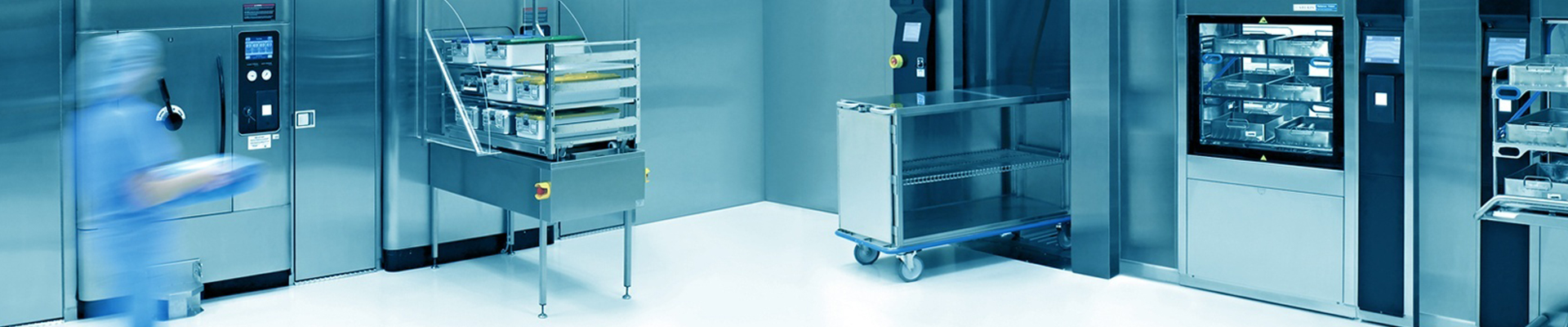
Hinged instruments, trays with complicated geometry and double-wrapped packs all trap air. Pre-vacuum cycles are the norm here, and the layout of the decontamination, packing and sterile zones matters as much as the machine itself. Our overview of hospital autoclaves covers how those workflows fit together.
Dental and ophthalmic clinics
Handpieces, burs, small cassettes and delicate ophthalmic instruments are almost always processed in pouches. A Class B tabletop unit running a pre-vacuum cycle is usually the smallest correct answer, and it fits on a bench without dominating the room.
Laboratory glassware and media
Glassware, filters, pipette tips and discarded cultures benefit from thorough air removal. Liquids are different — they need a dedicated liquid cycle with slow exhaust so the vessel does not boil over. Never run a sealed bottle of media through a fast pre-vacuum cycle.
Pharmacy and production environments
Where sterility is a regulatory claim rather than a housekeeping goal, the cycle has to be validated and repeatable. Larger chamber volumes, sliding or lifting doors and documented cycle records become part of the specification.
Matching the Machine to the Room You Have
Pre-vacuum is a cycle type, not a single product. The same air-removal logic appears in horizontal, vertical and tabletop formats, and the right one depends on your throughput, your floor space and how heavy the loads are.
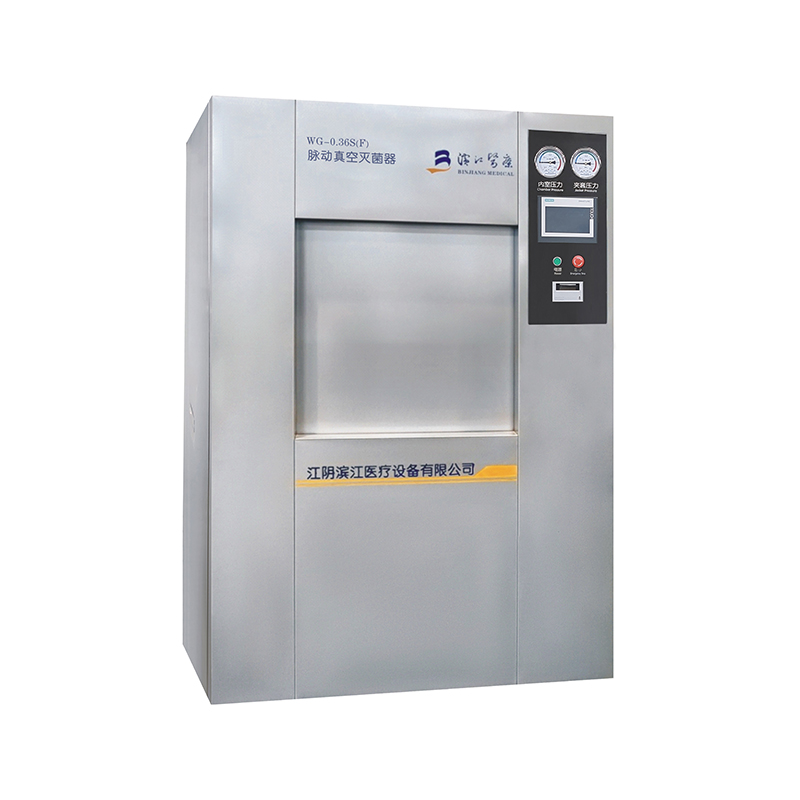
For a busy department processing wrapped sets all day, a front-loading horizontal chamber with a pulse vacuum system gives you the volume and the loading ergonomics.
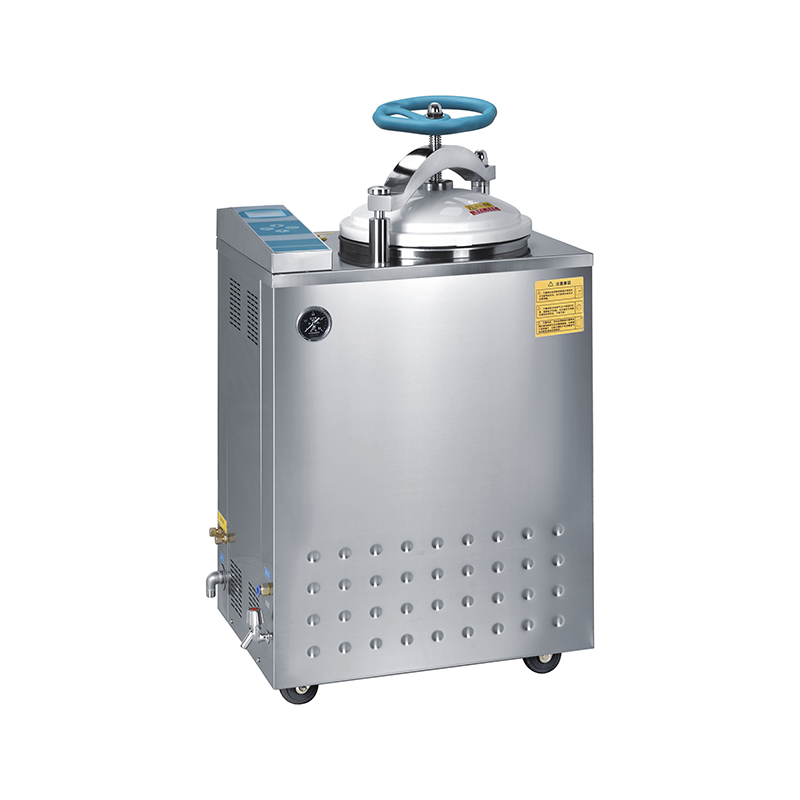
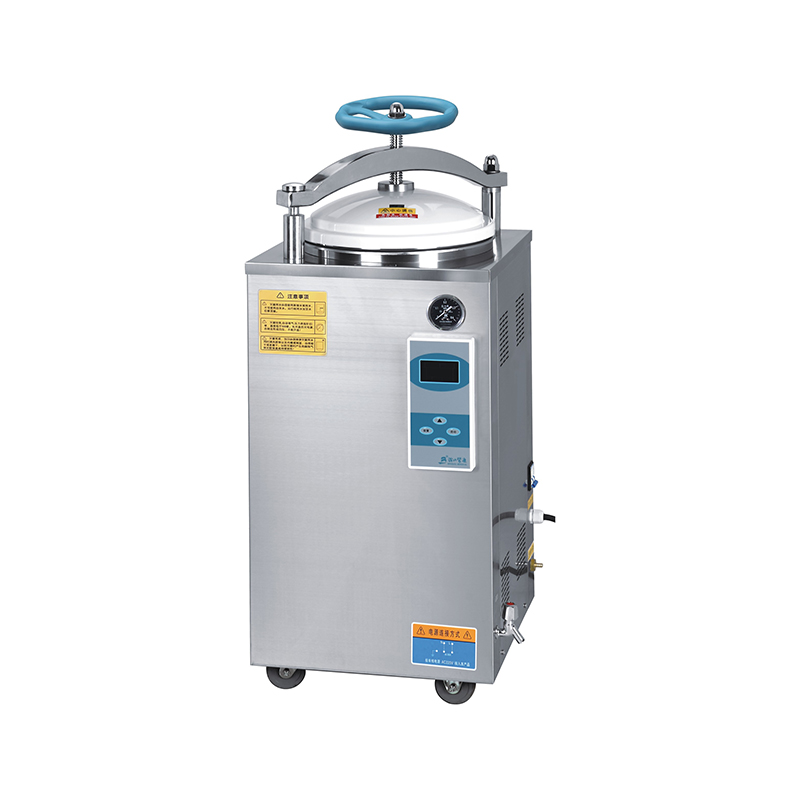
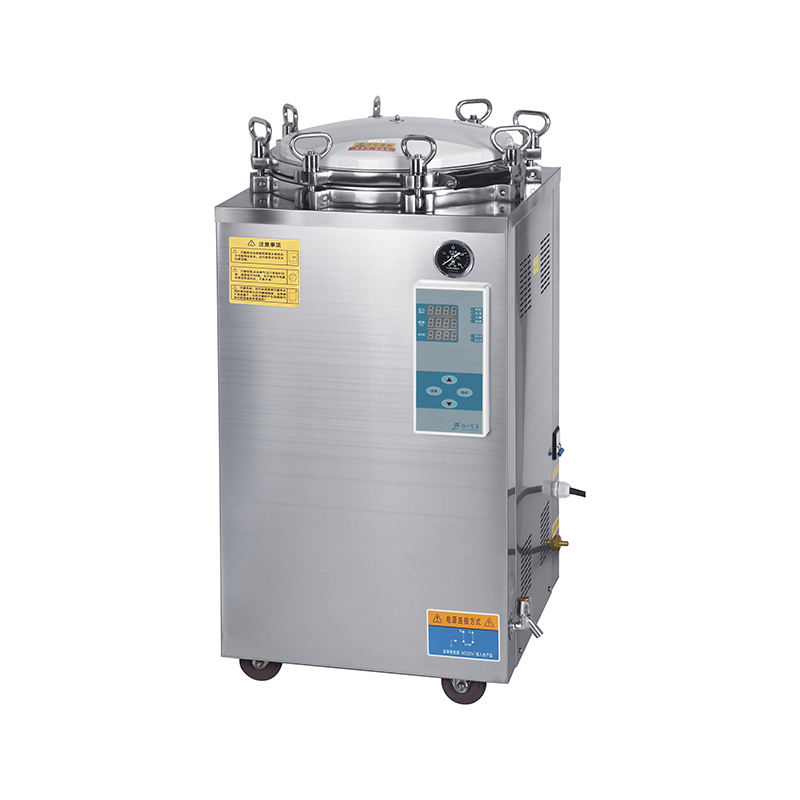
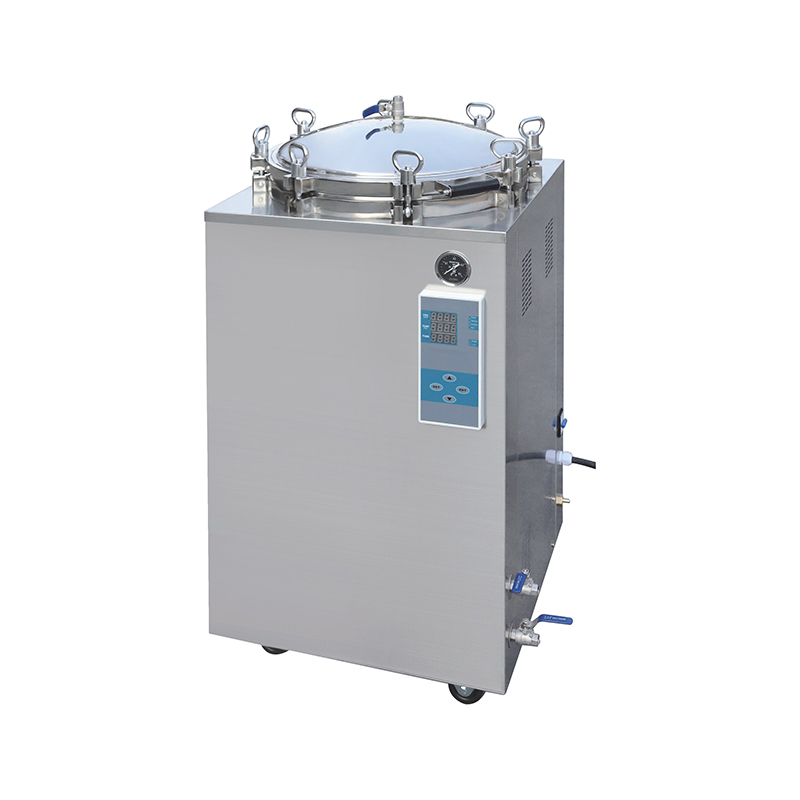
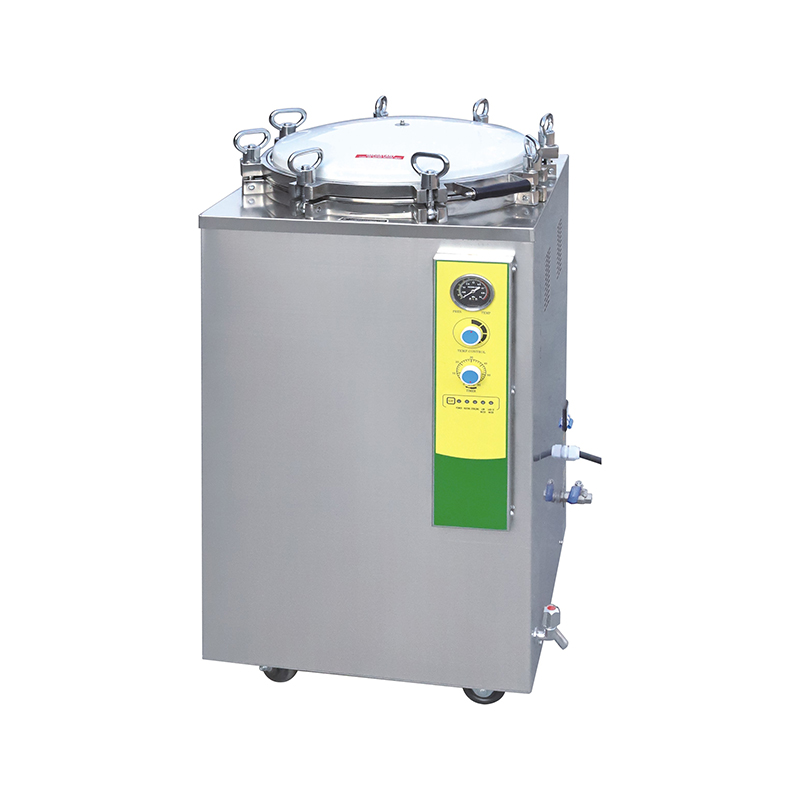
If the room is small but the load is still wrapped, a vertical unit delivers a surprising amount of chamber volume in a compact footprint.
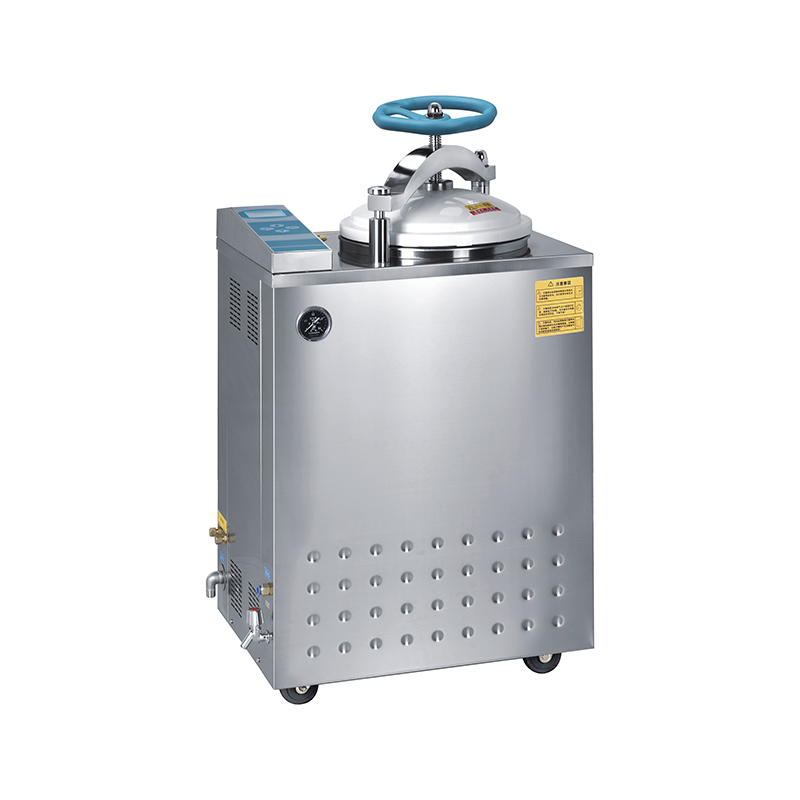 Vertical Pulse Vacuum Steam Sterilizer for Compact ClinicsA space-saving vertical sterilizer with microcomputer control and pulse vacuum, offered in 50, 75 and 100 L chambers for wrapped loads in small rooms.View Product →
And for a single dental chair, a small lab bench or a clinic that needs a fast turnaround between patients, a benchtop pre-vacuum unit is usually the most sensible starting point.
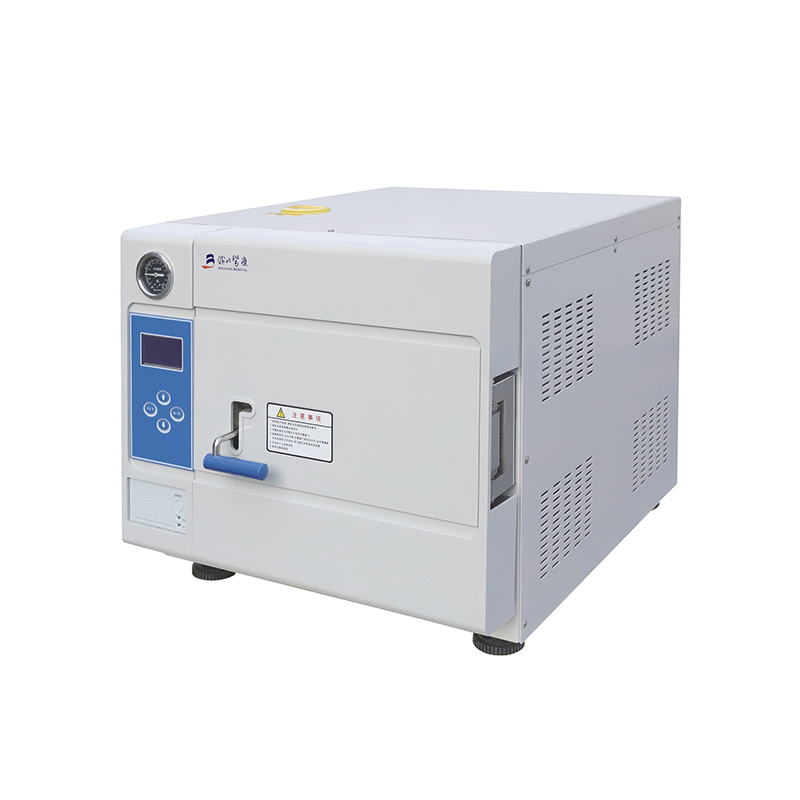 Class B Tabletop Pulse Vacuum Steam SterilizerA benchtop Class B unit for dental clinics and small labs, with 35 or 50 L chambers, vacuum drying and a built-in printer.View Product →
Whichever format you choose, check three things before ordering: the chamber size you need for a realistic full load, the utilities available on site (steam, water, drain, power), and whether the cycle you plan to use is validated for the packaging you actually buy.
Habits That Keep a Pre-Vacuum Cycle Reliable
- Load loosely. Steam and vacuum both need paths in and out; a tightly packed chamber is a slow, uneven chamber.
- Stand pouches on edge, paper facing the same way, and keep them clear of the chamber walls.
- Respect the drying stage. Unloading early is one of the most common causes of wet packs.
- Use water that meets the manufacturer's specification; scale quietly ruins vacuum valves and heating elements.
- Log every cycle, including the failures. Patterns only appear when the records exist.
Questions New Owners Ask Us
Do I have to run an air-removal test every day?
For pre-vacuum and pulse-vacuum sterilizers used on wrapped loads, daily verification at the start of the working day is standard practice, followed by the load monitoring your procedures require. The mechanics of the test are described in this guide to the air removal test for autoclaves.
Why did my cycle abort during the vacuum stage?
Usually a leak, a drain blockage, low steam supply pressure or a door seal that has seen better days. Start with the seal and the drain strainer; those two account for a large share of the calls we receive.
Can I sterilize liquids on a pre-vacuum cycle?
Not on the fast wrapped-goods cycle. Liquids need their own program with controlled exhaust, or they will boil out of their containers.
Pre-vacuum sterilization is not complicated once you see it as a sequence of air-removal steps rather than a single button. Get the loading right, keep the water and the door seal in good condition, and verify air removal as part of your routine — the cycle will quietly do the rest. And if you are still deciding which chamber format fits your room, our team is always happy to talk through real loads rather than catalogue numbers.