English
 русский
 Français
 Español
 Indonesia
 Deutsch
 عربى
عربى 中文简体
中文简体
Small Autoclaves: Essential Uses & Practical Applications
Posted by Admin | 24 Nov
Content
Understanding the Small Autoclave
A small autoclave, often referred to as a benchtop or tabletop autoclave, is a compact yet powerful device designed for sterilization using pressurized steam. While larger industrial autoclaves handle high volumes, their smaller counterparts are crucial for settings where space is limited but sterility is paramount. These units operate on the same fundamental principles as their larger brethren, utilizing high temperature and pressure to kill microorganisms, including bacteria, viruses, fungi, and spores, ensuring a sterile environment for tools and materials.
Key Applications in Healthcare and Dental Practices
Small autoclaves are indispensable in healthcare and dental offices, where the risk of cross-contamination is a constant concern. Their compact size makes them ideal for sterilizing instruments used in patient care on a daily basis, contributing significantly to infection control protocols. This includes a wide range of items, from surgical tools to dental probes and mirrors, all of which must be thoroughly sterilized between uses to protect both patients and practitioners.
Dental Clinics
- Sterilization of handpieces, forceps, and explorers.
- Ensuring patient safety from bloodborne pathogens and other infectious agents.
- Compliance with stringent health regulations and standards.
Medical Clinics and Hospitals
- Sterilization of minor surgical instruments, dressing kits, and specialized diagnostic tools.
- Supporting outpatient procedures and emergency room operations where quick turnaround of sterile instruments is vital.
Essential for Tattoo and Piercing Studios
The tattoo and body piercing industry relies heavily on small autoclaves to maintain hygiene and prevent the spread of infections. Given the nature of their work, which involves breaking the skin barrier, meticulous sterilization of all reusable equipment is not just a best practice but a legal requirement in many regions. Autoclaves provide the highest level of sterility assurance, far superior to chemical disinfectants for many types of instruments.
- Sterilization of piercing needles (if not single-use), clamps, tubes, and tattoo gun components.
- Protecting clients from hepatitis, HIV, and other bloodborne diseases.
- Building client trust and demonstrating commitment to safety.
Research and Laboratory Settings
In scientific research and laboratory environments, small autoclaves are critical for sterilizing media, glassware, and instruments to prevent contamination of experiments and cultures. Maintaining a sterile workspace is fundamental to obtaining accurate and reproducible results, especially in microbiology, cell culture, and genetic research. Their ability to quickly sterilize small batches of materials makes them highly efficient for daily lab operations.
Microbiology Labs
- Sterilizing culture media, petri dishes, and inoculating loops.
- Decontaminating waste before disposal to prevent environmental contamination.
Educational Institutions
- Used in student laboratories for practical experiments requiring sterile conditions.
- Educating future scientists and medical professionals on proper sterilization techniques.
Veterinary Practices and Pet Grooming
Veterinary clinics utilize small autoclaves for sterilizing surgical instruments, dental tools, and other equipment used in animal care. Just like in human medicine, preventing infections in animals is crucial for their health and recovery. Pet grooming salons that offer services involving skin penetration, such as nail trimming with potential for nicks, also benefit from autoclaves to ensure their tools are properly sterilized and safe for multiple animals.
- Sterilizing instruments for animal surgeries and dental procedures.
- Reducing the risk of spreading diseases between animal patients.
Advantages of Small Autoclaves
Small autoclaves offer several distinct advantages that make them the preferred choice for many operations. Their compact footprint means they can fit comfortably on a countertop, conserving valuable space in smaller clinics or labs. Despite their size, they are highly efficient, often featuring rapid sterilization cycles that allow for quick turnaround of instruments, which is critical in busy environments. They are also generally simpler to operate and maintain compared to their larger industrial counterparts, making them accessible even to users without extensive training.
| Compact Size | Efficient Sterilization | User-Friendly | Cost-Effective |
| Fits on countertops, saves space. | Fast cycles for quick instrument turnover. | Easy to operate and maintain. | Lower initial investment and running costs. |
Choosing the Right Small Autoclave
When selecting a small autoclave, several factors should be considered to ensure it meets specific operational needs. The chamber size is crucial, as it dictates the volume and dimensions of instruments that can be sterilized in each cycle. Cycle times and drying capabilities are also important, particularly for busy practices requiring quick reprocessing. Additionally, features like automatic shut-off, safety interlocks, and digital displays enhance usability and safety. Compliance with local and international sterilization standards (e.g., European EN 13060 for "small steam sterilizers") is also a critical consideration to ensure regulatory adherence and optimal performance.
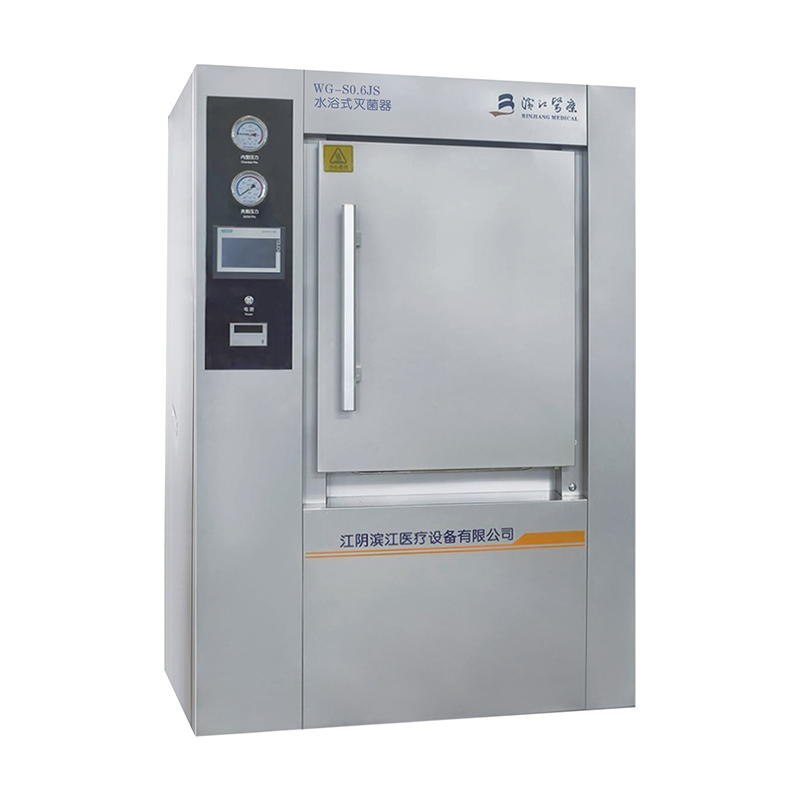
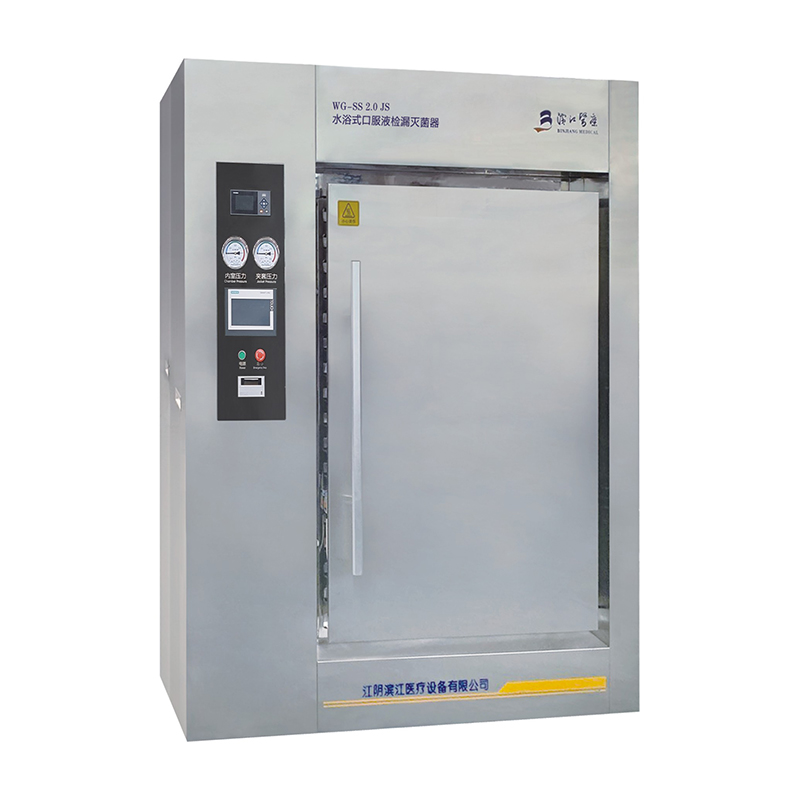
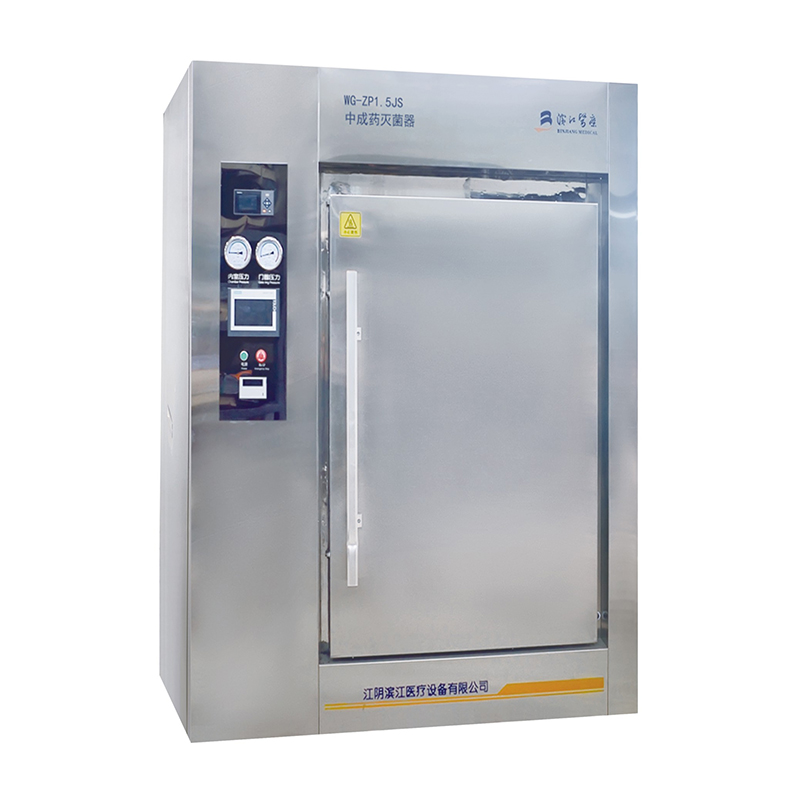
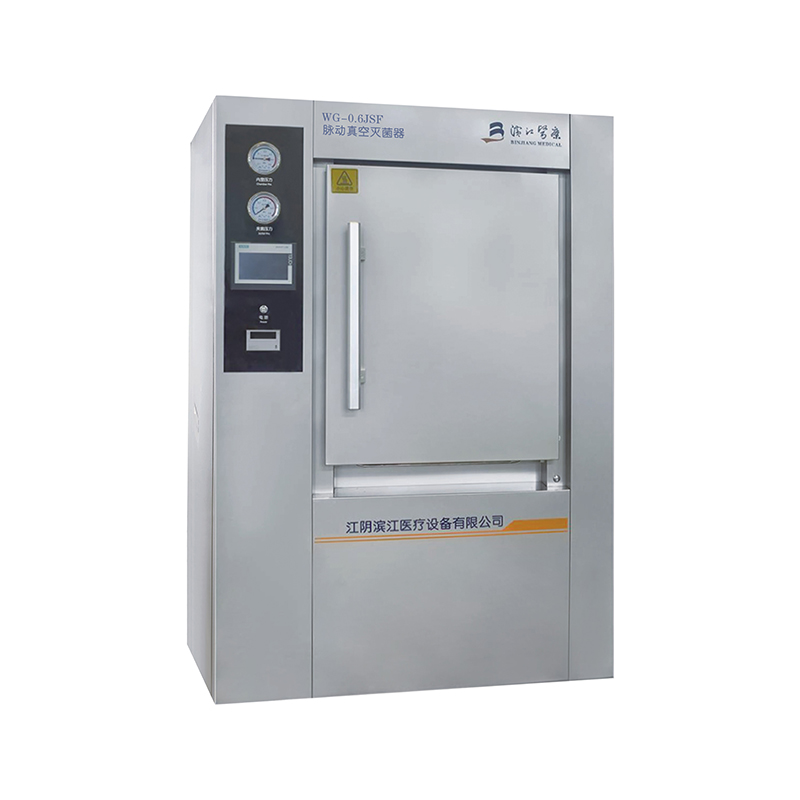
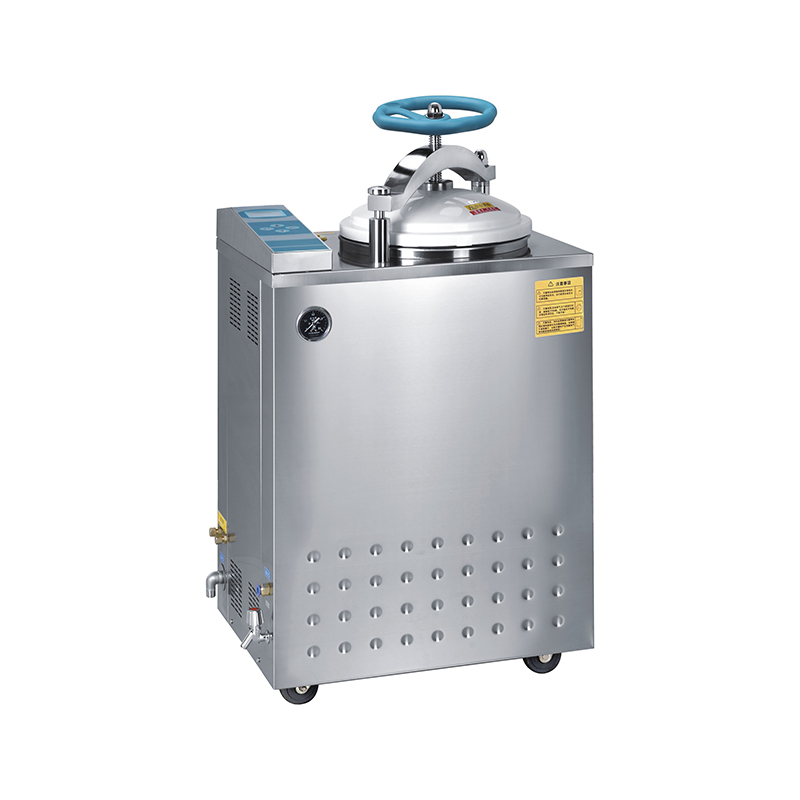
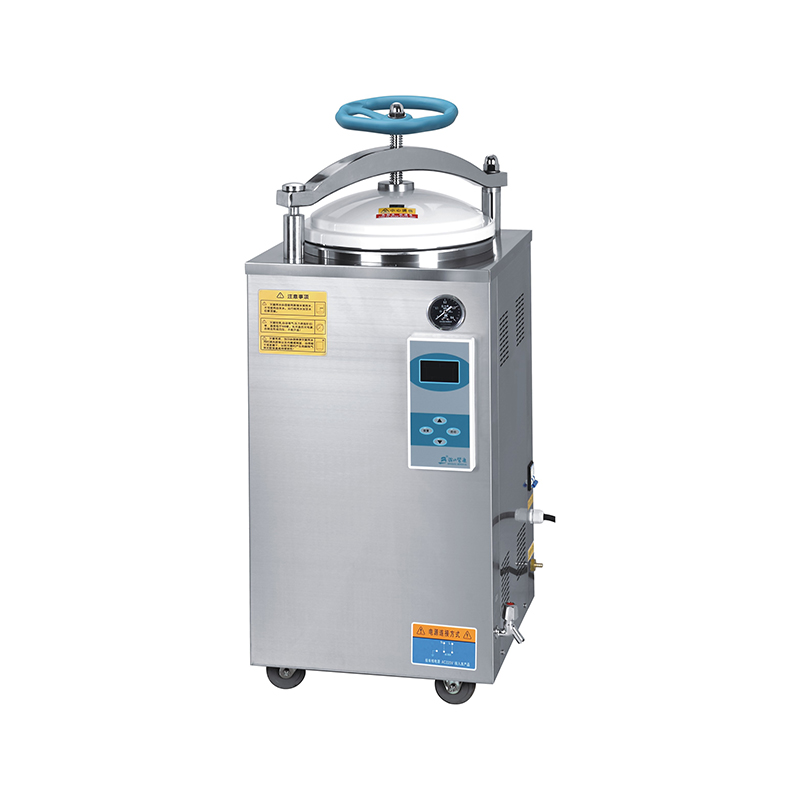
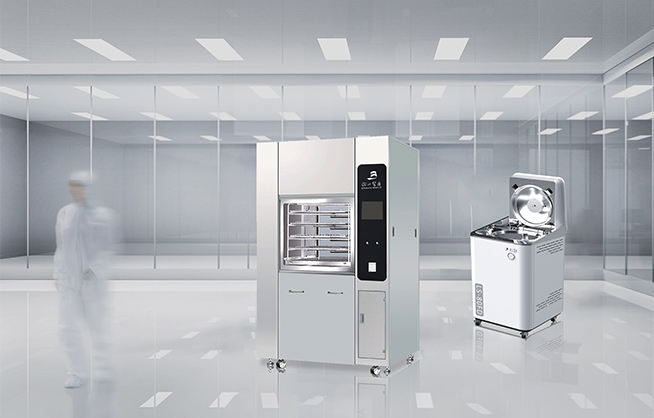
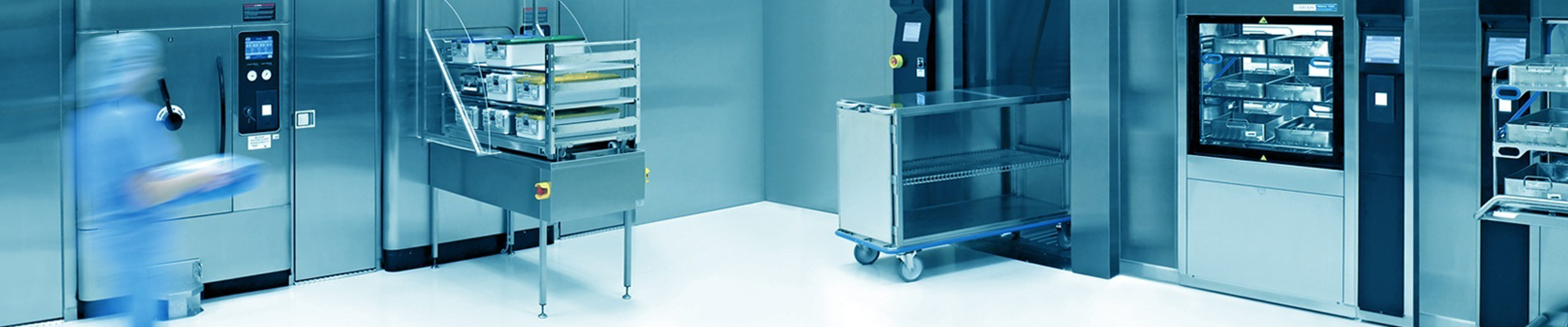
The image below illustrates a typical small autoclave used in a clinical setting, showcasing its compact design and user-friendly interface.