English
 русский
 Français
 Español
 Indonesia
 Deutsch
 عربى
عربى 中文简体
中文简体
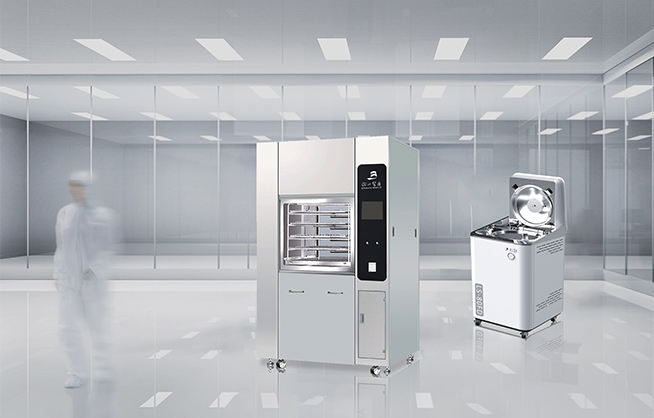
Use of Autoclave in Food Industry: Sterilization & Process Guide
Posted by Admin | 23 Jan
Content
- 1 How autoclaves create food-safe sterilization
- 2 Common uses of an autoclave in the food industry
- 3 Typical autoclave cycles and practical parameter ranges
- 4 Validation, records, and food safety compliance
- 5 Operational best practices that prevent cycle failures
- 6 Safety, maintenance, and utility quality
- 7 When an autoclave is the right choice—and when it is not
- 8 Conclusion
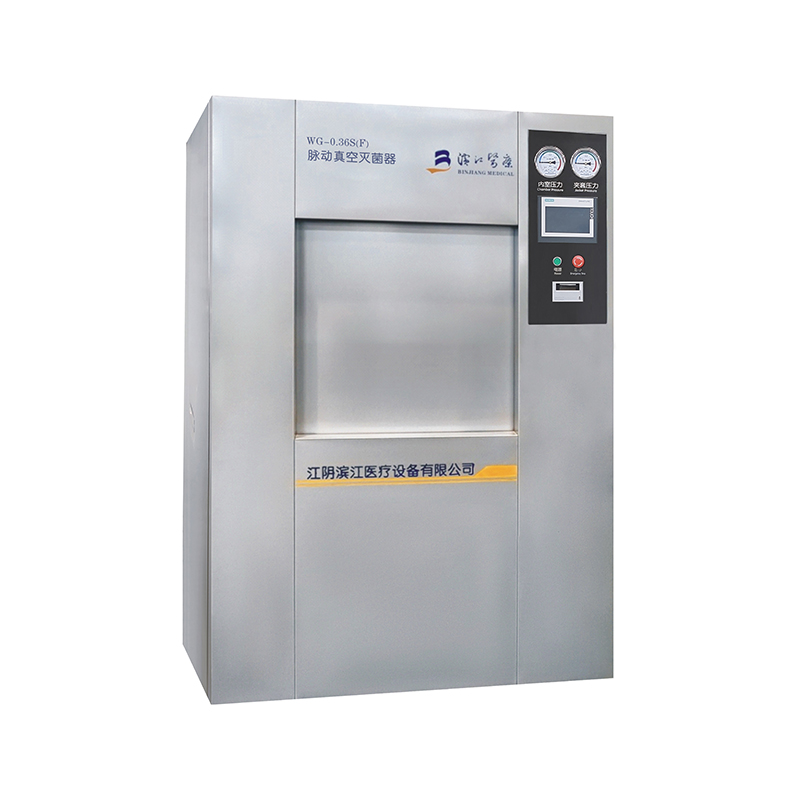
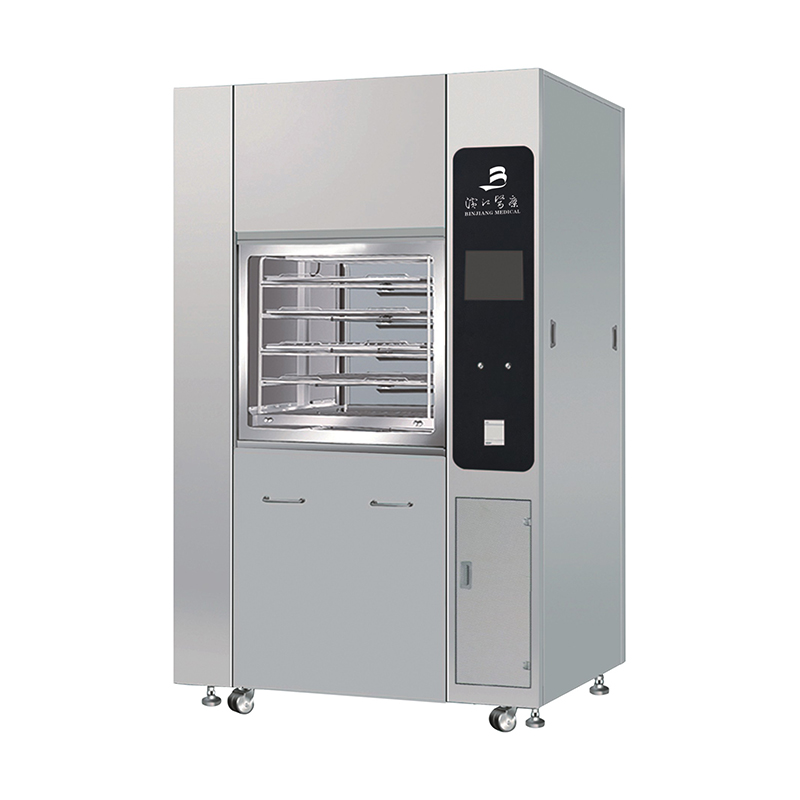
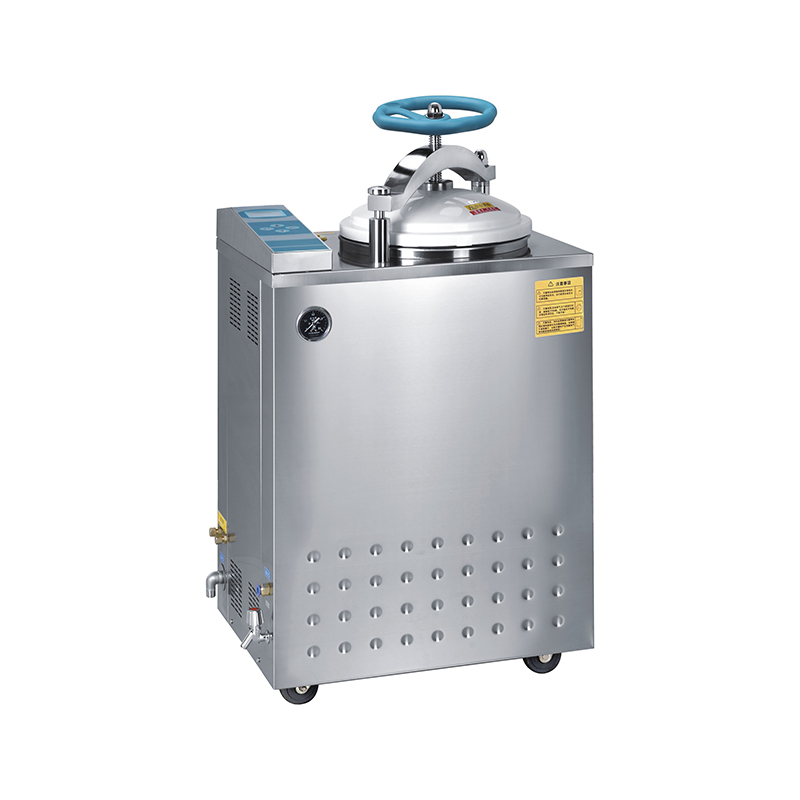
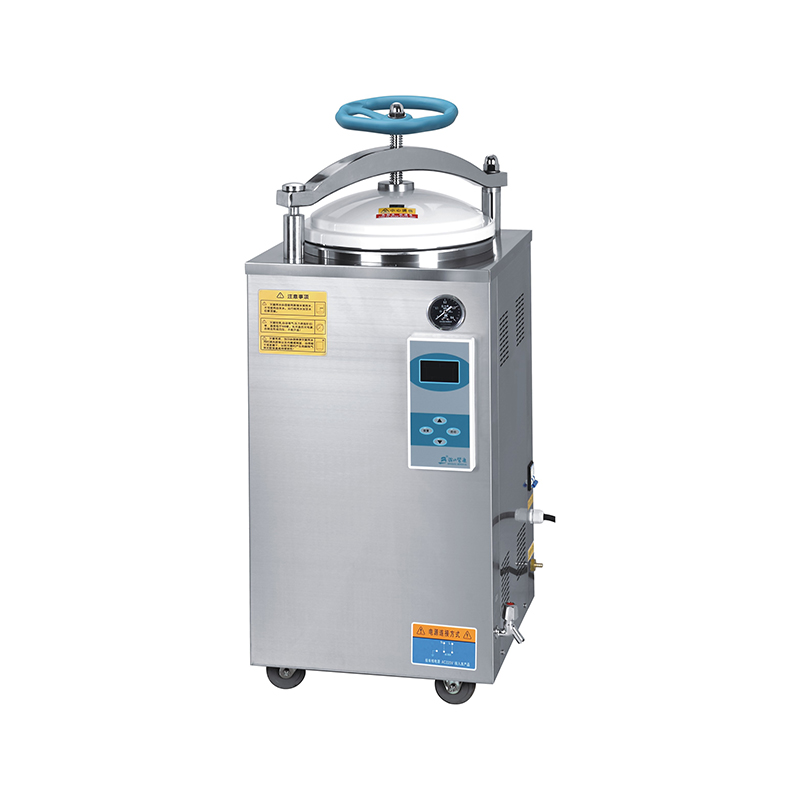
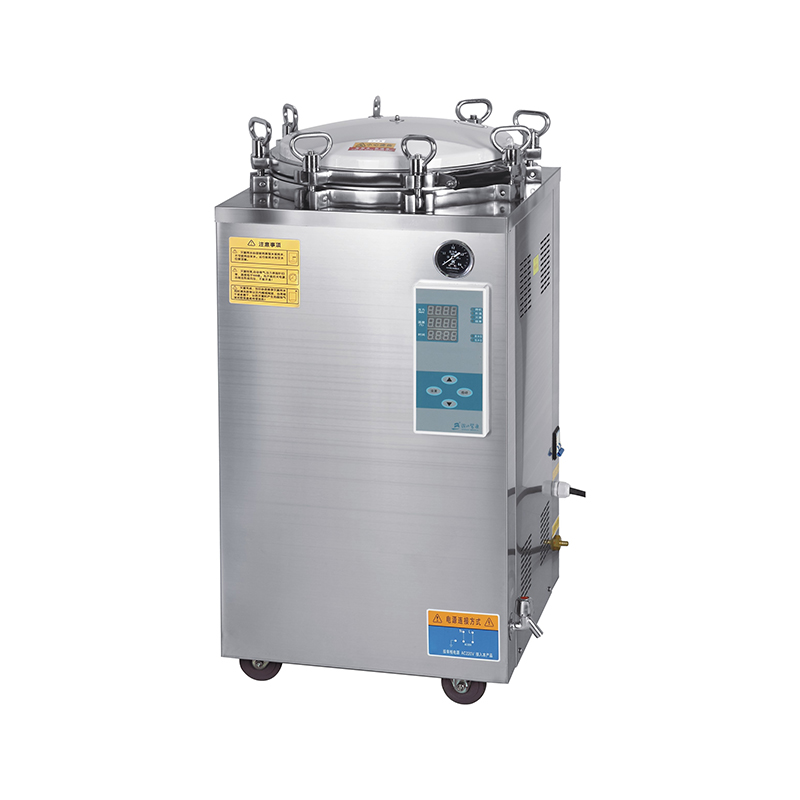
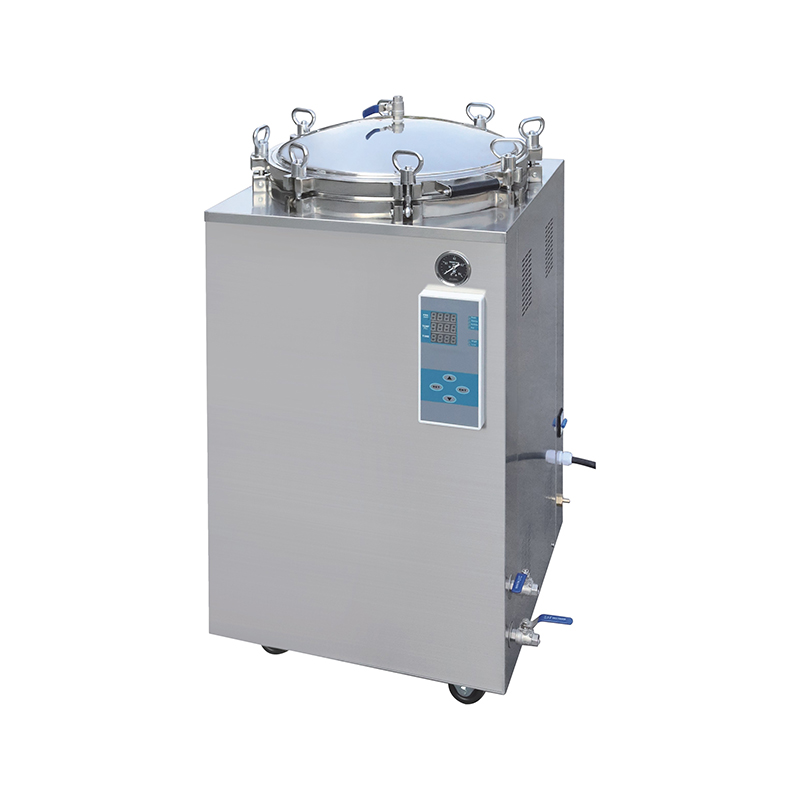
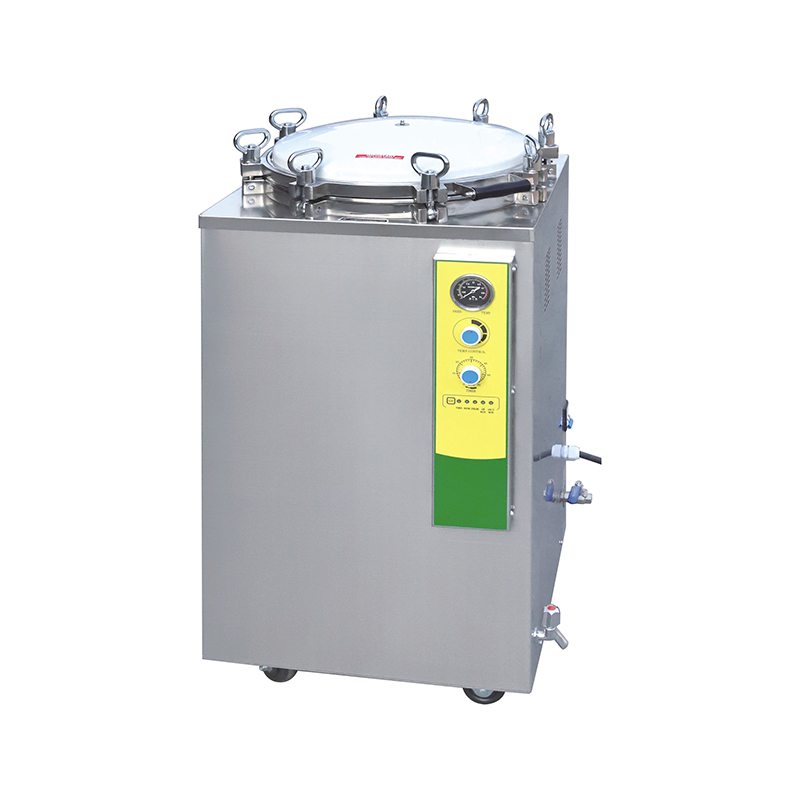
An autoclave is used in the food industry to reliably sterilize tools, containers, culture media, and selected food products by applying pressurized steam—most commonly at 121°C—so microorganisms are reduced to safe levels and processes meet hygiene and quality requirements.
In many plants, “autoclave” refers to steam sterilizers used for hygienic operations (e.g., sterile utensils, sampling equipment, and lab materials). For direct product sterilization at scale, the same principles apply but equipment may be described as a retort; the operational controls and validation logic are closely aligned.
How autoclaves create food-safe sterilization
Autoclaves use saturated steam under pressure to transfer heat efficiently into loads. The combination of temperature, exposure time, steam penetration, and air removal drives microbial inactivation. A widely used baseline is 121°C at approximately 15 psi (about 1 bar gauge), with exposure time adjusted for the load type, mass, and packaging.
Why pressurized steam matters
Steam at pressure reaches temperatures above boiling without drying out as quickly as dry heat. Because steam condenses on cooler surfaces, it releases latent heat, accelerating kill rates and improving consistency—especially for porous or wrapped items common in food plants and QA labs.
Key control points operators must monitor
- Chamber temperature and holding time (exposure phase)
- Air removal (pre-vacuum or gravity displacement, depending on model)
- Load configuration (steam access to the cold spot)
- Drying/cooling controls to prevent recontamination or package failure
Common uses of an autoclave in the food industry
Autoclaves are used wherever a plant needs repeatable sterilization that chemical sanitizers cannot guarantee (or cannot be used). The most frequent applications fall into operations, quality/lab, and packaging support.
Plant operations and hygiene
- Sterilizing sampling tools, valves, gaskets, small fittings, and utensils used in high-care areas
- Sterilizing reusable containers for ingredient micro-lots or allergen-controlled handling (where validated)
- Decontaminating microbiological waste prior to disposal to reduce facility bio-risk
Quality assurance and microbiology labs
- Preparing sterile culture media, buffers, and diluents for microbial testing
- Sterilizing glassware, pipettes, and lab instruments to prevent false positives/negatives
- Sterilizing swab kits and contact plates (as part of environmental monitoring programs)
Product and packaging support (selected processes)
- Small-batch sterilization of packaged foods (e.g., pilot runs) when validated for container integrity and heat penetration
- Sterilizing empty containers or closures when the process design requires sterile contact surfaces
- Sterilizing filters or accessories in aseptic workflows (where steam-compatible)
Typical autoclave cycles and practical parameter ranges
Cycle settings must be validated for each load type. However, the ranges below reflect common, practical starting points used across food QA labs and hygienic plant operations. The key is to ensure the “cold spot” reaches the required lethality for the required time.
| Load type | Common setpoint | Exposure time (hold) | Notes that affect success |
|---|---|---|---|
| Lab media (liquids) | 121°C (saturated steam) | 15–30 min | Liquid volume drives time; loosen caps; prevent boil-over |
| Wrapped tools & small parts | 121°C or 134°C | 10–20 min | Porous loads need effective air removal; drying phase prevents wet packs |
| Micro waste decontamination | 121°C | 30–60 min | Dense bags slow penetration; use validated load sizes and indicators |
| Pilot packaged food (small batches) | Process-specific (often ≥121°C equivalent) | Process-specific | Requires heat-penetration studies and container integrity verification |
A practical way to select an initial cycle
- Define the load and the worst case (largest bottle, densest pouch, tightest wrap).
- Choose a conservative baseline (commonly 121°C) and an exposure time appropriate for mass and geometry.
- Place temperature probes at the expected cold spot and run empty, half, and full loads.
- Confirm lethality using biological indicators where appropriate and document acceptance criteria.
- Lock the load pattern (how items are arranged) as part of the validated standard work.
Validation, records, and food safety compliance
If an autoclave step protects product quality or prevents contamination in high-care operations, it should be treated as a controlled step with clear acceptance limits and traceable records. Typical documentation includes cycle charts, batch logs, and calibration certificates for sensors.
Using lethality concepts in practice
For heat-based microbial control, teams often use lethality targets (commonly expressed as “equivalent time at 121°C”). In practical terms, your validation should demonstrate that the cold spot achieves the required lethality with margin. For higher-risk applications, include biological indicators and documented challenge loads to prove repeatability.
Recommended record elements
- Unique load ID, operator, date/time, and load description
- Setpoints and actual values (temperature, pressure, exposure time)
- Pass/fail criteria and any deviations with corrective actions
- Indicator results (chemical and/or biological) when used
- Calibration status of probes, gauges, and recorders
Operational best practices that prevent cycle failures
Most autoclave issues in food environments are not caused by the setpoint—rather, they come from poor steam access, trapped air, overpacking, or post-cycle handling that reintroduces contamination.
Loading rules that improve steam penetration
- Do not overpack; leave space for steam circulation around trays and packs.
- Orient containers to avoid air pockets (e.g., avoid nesting that blocks steam).
- For liquids, use secondary containment and allow headspace to reduce boil-over risk.
- Standardize the load pattern used in validation and train to it.
Post-cycle handling that preserves sterility
Sterilization can be compromised after a successful cycle if wet packs are handled, if items cool in drafts, or if packaging is touched without controls. Ensure items are dry before removal when required, use clean transfer methods, and store sterilized goods in protected conditions consistent with your hygiene zoning.
Safety, maintenance, and utility quality
Autoclaves operate with high-temperature pressurized steam, so safe operation and preventative maintenance are non-negotiable. A single gasket failure, clogged drain, or inaccurate sensor can undermine both safety and sterilization performance.
Routine checks that matter
- Inspect door seals/gaskets for wear and compression set; replace on schedule.
- Verify drain strainers and steam traps are functional to prevent cold spots.
- Calibrate temperature and pressure instruments at defined intervals; document results.
- Confirm steam quality is suitable (excess water carryover reduces effective sterilization).
Operator safeguards
Use lockout/tagout during servicing, allow controlled depressurization, and verify loads (especially liquids) are safe to handle before moving. Standard work should explicitly address burn hazards, lifting limits, and spill response for hot liquids.
When an autoclave is the right choice—and when it is not
Autoclaves excel when you need repeatable, documented sterilization for steam-compatible items and when chemical residues are unacceptable. They are less suitable for heat-sensitive plastics, electronics, or production lines needing continuous high throughput without batch constraints.
Practical decision examples
- High-care sampling: autoclave sterile tools to reduce environmental monitoring noise and cross-contamination risk.
- QA media prep: autoclave culture media at 121°C to prevent false results and improve testing consistency.
- Heat-sensitive parts: consider validated chemical sterilants or single-use sterile components instead of steam.
- Large-scale product sterilization: evaluate industrial retorts designed for uniform heat penetration, container handling, and throughput.
Conclusion
The use of autoclave in the food industry is most valuable when you need proven, auditable sterilization—typically with pressurized steam at 121°C—backed by validated load patterns, clear acceptance limits, and disciplined post-cycle handling.
By focusing on steam access, air removal, cold-spot verification, and robust records, food plants and QA labs can reduce contamination risk, stabilize microbiological testing, and support hygienic operations with repeatable outcomes.