English
 русский
 Français
 Español
 Indonesia
 Deutsch
 عربى
 中文简体


Vacuum vs Non Vacuum Autoclave: Choosing the Right Steam Sterilizer for Your Facility
Posted by Admin | 14 Nov
Content
- 1 What Makes an Autoclave a Vacuum Autoclave?
- 2 How a Non-Vacuum Autoclave Works
- 3 Vacuum vs Non Vacuum Autoclave: Key Differences at a Glance
- 4 When a Vacuum Autoclave Is the Better Fit
- 5 When a Non-Vacuum Autoclave Is Enough
- 6 Practical Selection Notes from the Sterilization Floor
- 7 A Simple Decision Framework
- 8 Final Thoughts
Walk into any sterile processing department or laboratory and you will hear the same question in different forms: do we really need a vacuum autoclave, or will a non-vacuum model do the job? The answer is less about fashion in equipment catalogs and more about what you put inside the chamber every day. Air removal, load packaging, and the way steam travels through the load all shape the result. A vacuum autoclave and a non-vacuum autoclave can both reach 121 °C or 134 °C, but they do not create the same conditions inside the chamber.
This guide compares the two approaches from a practical, floor-level perspective. It is not a pitch for one design over the other. It is a way to match the machine to the work, the people, and the validation requirements you already have.
What Makes an Autoclave a Vacuum Autoclave?
In a vacuum autoclave, the cycle begins by pulling air out of the chamber before steam is admitted. Depending on the design, this may be a single pre-vacuum stage, a series of pulse vacuum stages, or a more advanced air removal sequence. The goal is the same: remove the air that would otherwise sit inside wrapped packs, hollow instruments, or porous materials and block steam contact.
When air is removed effectively, saturated steam can penetrate quickly and evenly. That is why vacuum autoclaves are common in dental clinics, hospital central sterile services, and laboratories that process wrapped instrument sets, lumened devices, or porous loads. The vacuum pump and the control system also add capabilities: leak testing, air removal verification, and cycle profiles for different load types.
A vacuum autoclave is not automatically suitable for every load. It needs correct packaging, proper loading, and routine maintenance of the pump and door seal. But when the load is complex, the vacuum stage is often what makes consistent sterilization possible.
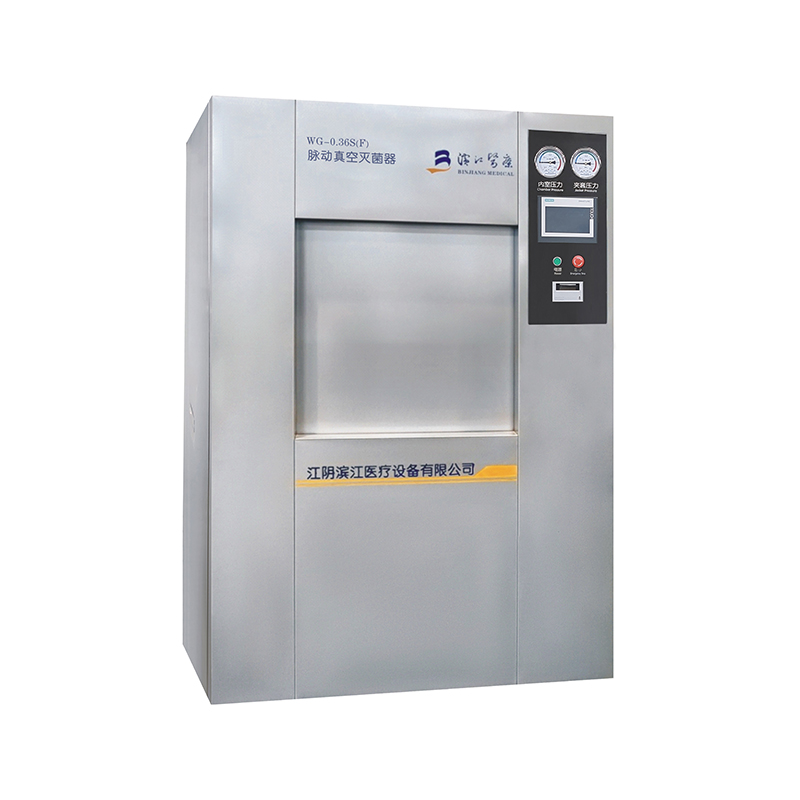
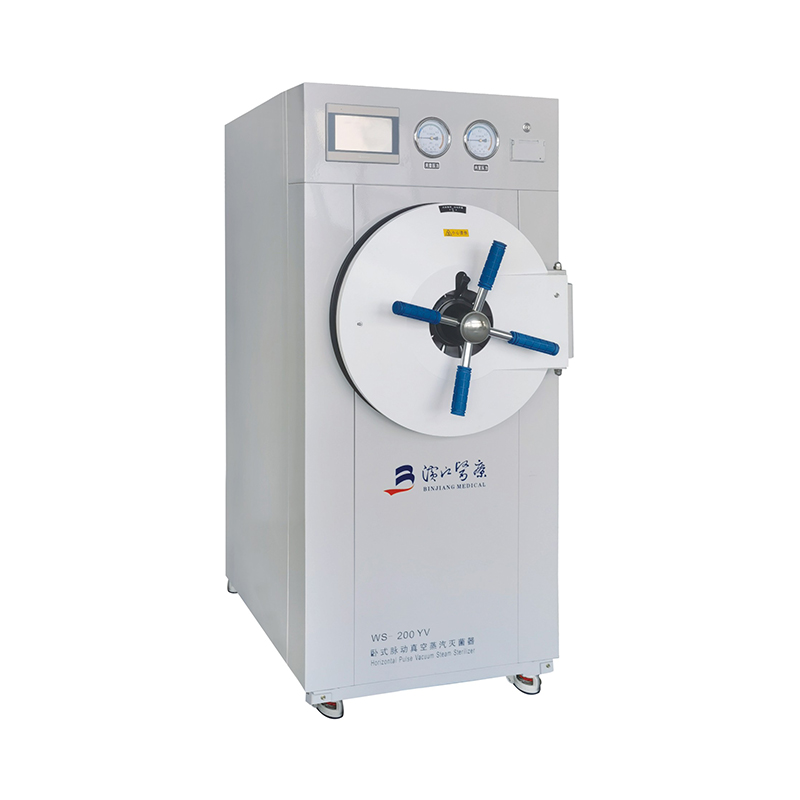 Horizontal Pulse Vacuum Steam Sterilizer for Complex LoadsPulsating vacuum removes cold air and jacket drying supports packaged, porous instruments; useful where complex loads need consistent steam penetration.View Product →
How a Non-Vacuum Autoclave Works
A non-vacuum autoclave — often called a gravity displacement or gravity autoclave — relies on steam entering the chamber and pushing air out through a drain or vent. Steam is lighter than air in the chamber, so it rises and displaces air downward. No vacuum pump is used to remove air before the cycle.
This design is simple and proven. It can be very reliable for solid, non-porous items that are not wrapped tightly, and for certain liquid loads when the cycle is set correctly. Many small clinics, field units, and teaching laboratories value gravity autoclaves because they are straightforward to operate and have fewer mechanical systems to maintain.
The limitation is air trapping. If a load contains wrapped packs, narrow lumens, or porous materials, gravity displacement may not remove air from the deepest parts of the load. Steam then cannot reach every surface, and the sterilization margin becomes uncertain. Gravity autoclaves can still be the right choice, but they are at their best when the load is simple and the packaging is appropriate.
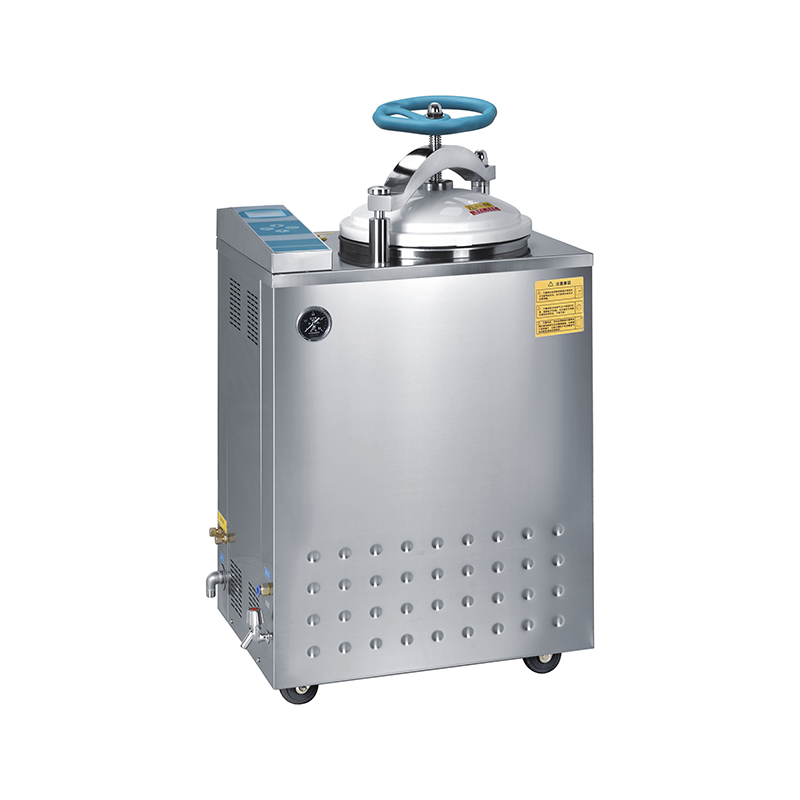
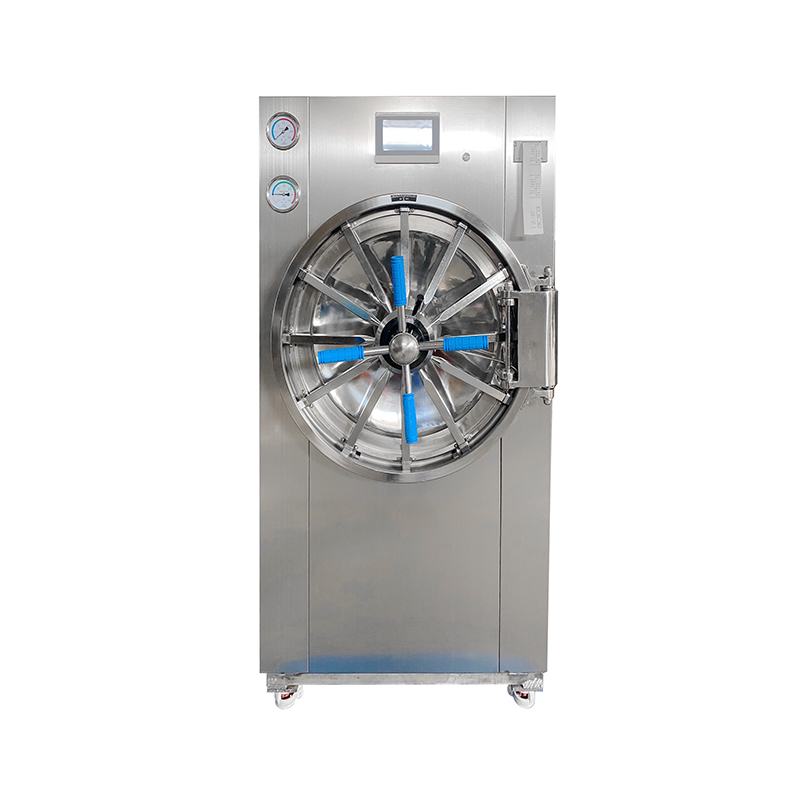 WS-400YV Gravity Exchange Horizontal Steam SterilizerFor simple, well-packaged loads where gravity displacement suits clinics and labs; 400 L chamber and automatic process control support routine sterilization.View Product →
Vacuum vs Non Vacuum Autoclave: Key Differences at a Glance
The table below summarizes the practical differences that matter during selection. It is not a substitute for cycle validation, but it helps narrow the conversation.
| Consideration | Vacuum autoclave | Non-vacuum autoclave |
|---|---|---|
| Air removal | Active vacuum or pulse vacuum before steam | Gravity displacement during steam admission |
| Steam penetration | Strong on wrapped, hollow, and porous loads | Best on simple solid, non-porous loads |
| Cycle time | Often shorter for complex loads, but depends on program | Can be longer if air pockets require extended cycles |
| Packaging | Compatible with wrapped packs and pouches when validated | Usually limited to unwrapped or loosely arranged items |
| Utilities and maintenance | Vacuum pump, seal, and control system need attention | Simpler system, fewer vacuum-related parts |
| Best fit | CSSD, dental, laboratory, complex instrument sets | Small clinics, simple loads, field use, budget-sensitive sites |
When a Vacuum Autoclave Is the Better Fit
Choose a vacuum autoclave when the load is more demanding than a few solid instruments on a tray. Wrapped surgical sets, dental handpieces, hollow tubes, porous drapes, and multi-layer packaging all benefit from active air removal. The vacuum stage gives steam a clearer path, and the control system can support air removal tests and leak tests that help you confirm the chamber is performing as expected.
This is also the practical choice when throughput and reproducibility matter. A validated vacuum cycle can reduce the guesswork that comes with air pockets, and it gives the sterilization team a clearer basis for release decisions. For teams working to standards such as ISO 17665 or EN 285, the vacuum autoclave is often the more natural fit for complex loads. If you want to understand the test side of this, see our guide to the air removal test for autoclaves.
When a Non-Vacuum Autoclave Is Enough
A gravity autoclave can be a sensible choice when the load is consistently simple. Think unwrapped solid instruments, glassware that is not tightly packed, or small volumes of liquids handled with a suitable cycle. In a small clinic or a field setting, the simpler plumbing and lower purchase cost may matter more than the ability to process complex wrapped packs.
The key is honesty about the load. If the same autoclave will occasionally be used for wrapped instrument pouches, hollow devices, or porous materials, a gravity model may leave you with an uncomfortable gap between what the machine can do and what the work requires. In that case, it is better to choose a vacuum model or to keep complex loads out of the gravity unit.
Practical Selection Notes from the Sterilization Floor
Specifications tell only part of the story. Before choosing between vacuum and non-vacuum, look at the daily routine: who loads the chamber, how packages are prepared, how often the autoclave runs, and how the team verifies the cycle. A vacuum autoclave with poor loading practice will underperform, and a gravity autoclave used within its limits can be perfectly dependable.
Ask suppliers about service access, spare parts, and training. Vacuum pumps and door seals need maintenance, but the vacuum system also provides diagnostic tests that can catch problems early. Gravity units are simpler, yet they still need water quality control, chamber cleaning, and periodic verification. In laboratories, the load mix often changes from glassware to media to waste; a vacuum model with flexible programs may be easier to manage. Our laboratory autoclave guidance covers some of those use cases in more detail.
Finally, consider validation. If your quality system requires documented air removal tests, leak tests, or load-specific cycle development, a vacuum autoclave gives you more tools to work with. If your process is simple and well controlled, a gravity autoclave may meet the need without extra complexity.
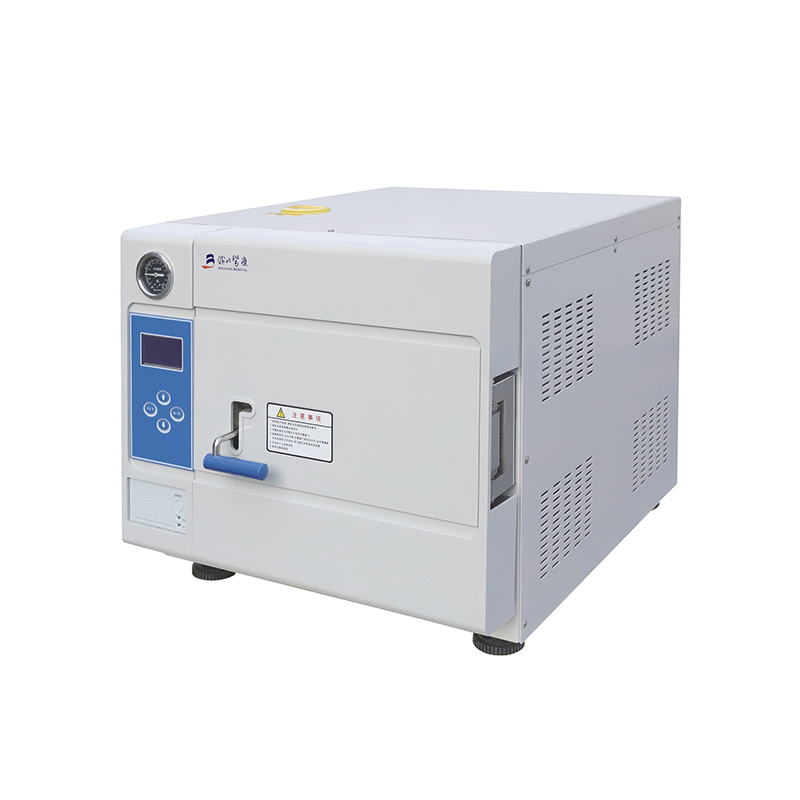 Class B Table Top Pulse Vacuum Steam SterilizerThree vacuum cycles, Bowie & Dick and vacuum tests, and printed records suit dental, hospital, and lab loads needing documented air removal.View Product →
A Simple Decision Framework
- List the loads you actually process, not the loads you imagine you might process one day.
- Note whether those loads are wrapped, hollow, porous, or liquid.
- Check the cycle programs and validation tests your quality system expects.
- Compare purchase cost, service cost, and the space available for the machine.
- Choose the simplest design that reliably handles your real load mix.
In many facilities, that means a vacuum autoclave for complex instrument sets and a gravity autoclave for simple, non-porous work. The two can coexist in the same department, each doing what it does best.
Final Thoughts
The vacuum vs non vacuum autoclave decision is not about which machine sounds more advanced. It is about air, packaging, and repeatability. If air removal is critical for your loads, a vacuum autoclave is the safer starting point. If your loads are genuinely simple and your team understands the limits, a non-vacuum autoclave can be a practical workhorse. At JIBIMED, we build both approaches into our range because we know that a good sterilization room is a matched system, not a single specification sheet.