English
 русский
 Français
 Español
 Indonesia
 Deutsch
 عربى
عربى 中文简体
中文简体

Autoclave Troubleshooting Guide: Fix Common Sterilization Problems Fast
Posted by Admin | 21 Sep
Content
- 1 Start With the Basics: What a Failed Cycle Is Telling You
- 2 Autoclave Troubleshooting at a Glance
- 3 The Autoclave Will Not Reach Temperature or Pressure
- 4 Wet Loads and Wet Packs After the Cycle
- 5 Failed Biological or Chemical Indicators
- 6 Cycle Aborts, Error Codes and Unusual Noises
- 7 Door, Seal and Latch Problems
- 8 Documentation After a Failed Cycle
- 9 Preventive Maintenance That Prevents Most of This List
- 10 When to Call a Service Technician
A sterilizer that aborts a cycle, leaves a wet load, or returns a failed biological indicator can stop an entire sterilization workflow. The frustration is real, but so is the reassuring part: most autoclave faults follow a small number of familiar patterns, and many can be diagnosed with information the machine is already giving you.
We manufacture pressure steam sterilizers for hospitals, laboratories, dental practices, pharmaceutical production, and veterinary clinics, so we have watched these problems appear in very different environments. This autoclave troubleshooting guide gathers the faults we hear about most often, the order in which we recommend checking them, and the point at which a qualified service technician should take over.
Start With the Basics: What a Failed Cycle Is Telling You
Before you reach for a wrench, collect evidence. A sterilizer rarely fails silently. It usually leaves a trail: the phase where the cycle stopped, the temperature and pressure it actually reached, and the condition of the load when the door opened. Write those details down while the cycle is still fresh, because they decide whether you are looking at a load problem, a machine problem, or a supply problem.
Three checks resolve a surprising share of everyday complaints:
- Read the display and record the exact error code or the phase in which the cycle aborted.
- Compare the displayed or printed temperature and pressure with the set values, not with what you expected to see.
- Examine the load itself: wrapping material, package density, positioning, and whether the right cycle was selected.
If all three look normal, move to the supply side: water quality, steam supply, drain condition, and the door gasket. Most of the faults below live in one of those four places.
Autoclave Troubleshooting at a Glance
Use the table below as a starting point, then read the section that matches your symptom for a fuller sequence.
| Symptom | Usual Cause | First Check |
|---|---|---|
| Chamber will not reach set temperature | Trapped air, low steam quality, or a small leak | Air removal test and door gasket |
| Load is wet after the cycle | Poor drying vacuum, overloaded chamber, blocked drain | Drain strainer and load arrangement |
| Biological indicator shows growth | Inadequate air removal, short exposure, or overload | Cycle parameters and a control indicator |
| Chemical indicator did not change | Wrong indicator class for the cycle, or poor placement | Indicator type and load position |
| Door will not latch or open | Worn gasket, damaged interlock, residual pressure | Pressure readout and gasket condition |
| Cycle aborts with an error code | Sensor fault, water level, pressure deviation | Code list and water or steam supply |
The Autoclave Will Not Reach Temperature or Pressure
This is the complaint that starts most service calls, and it almost always comes down to air, steam, or a leak.
Trapped Air and Steam Quality
Air is the most common reason a chamber reaches the pressure set point but never delivers the temperature profile you expect. Mixed air and steam behaves differently from saturated steam, transfers heat less efficiently, and can leave the coldest part of the load below the required temperature. In gravity-displacement units this is often a venting problem. In pre-vacuum units it usually points to a vacuum leak or a weakened pump.
Running a documented air removal test is the fastest way to separate an air problem from a heating problem. If the test fails, inspect the door gasket, the vacuum lines, and the steam supply before suspecting the control system.
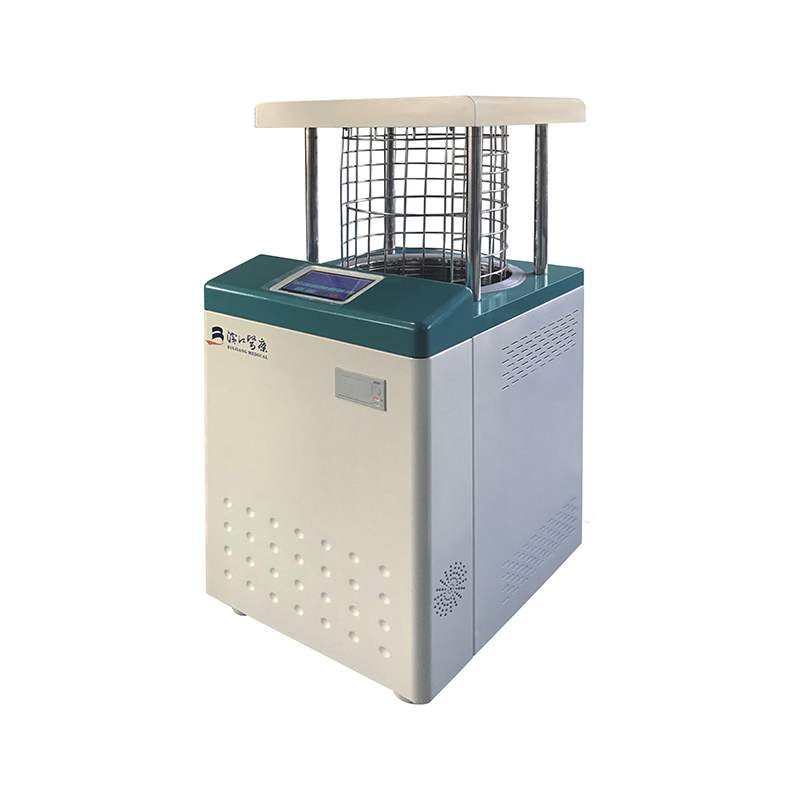
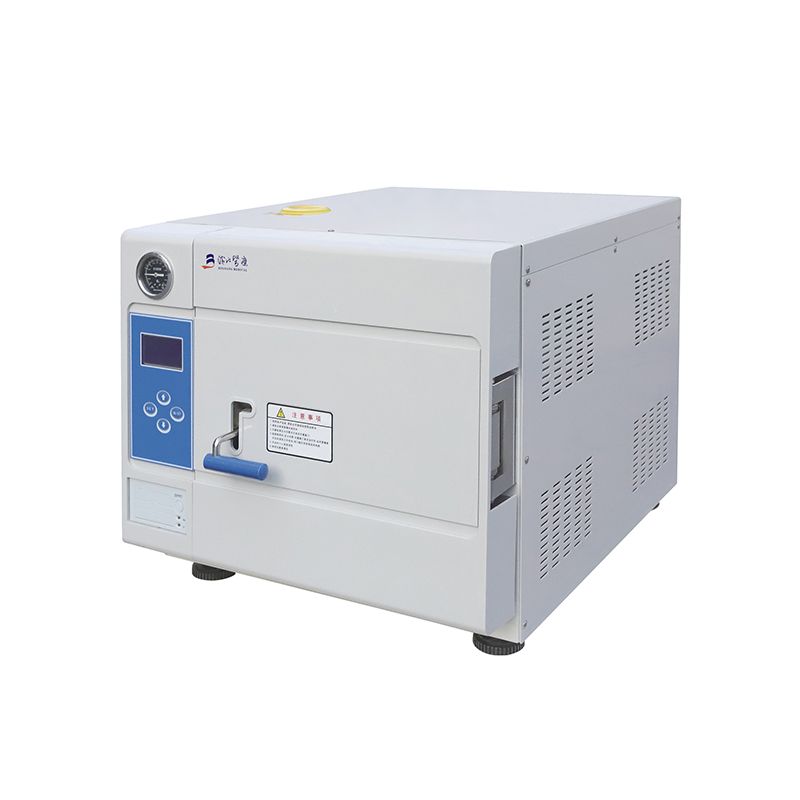 Class B Table Top Pulse Vacuum Steam SterilizerThe table-type sterilizers are safely auto-controlled and are designed for dental clinics, hospitals, school labs, scientific research institutions, and laboratories. ...View Product →
Small Leaks Add Up
A gasket that hisses quietly, a loose fitting, or a worn valve seat will steadily bleed steam. The generator then works harder to hold pressure, cycle times stretch, and the chamber may never quite reach the top of the temperature band. On larger units, check the jacket as well as the chamber, since a jacket that never fills properly slows every cycle that follows.
Wet Loads and Wet Packs After the Cycle
A wet load is not just an inconvenience. Moisture wicks through packaging and can allow microorganisms to travel back into a sterile pack, so wet loads should never be released.
- An overloaded chamber, where packages touch and trap condensation.
- Non-permeable or damaged wrapping, or pouches placed flat on the shelf.
- A drying phase that is too short for the mass of the load.
- A blocked drain strainer or a partly closed drain valve, leaving condensate behind.
- Wet steam, which carries droplets from the supply line into the chamber.
Rearrange the load so steam circulates freely, extend the drying phase, clean the strainer, and check the steam separator if your facility uses one. If the problem always follows the same shelf position, the chamber may be holding water rather than the load.
Failed Biological or Chemical Indicators
An indicator failure is a stop sign. Quarantine the load, do not release it, and do not simply repeat the cycle without investigating.
Biological Indicator Growth
Growth usually means the load never reached sterilizing conditions as a whole. The causes repeat themselves: air trapped in a dense package, exposure time shortened by an operator override, a chamber that is too full, or a spore strip placed in the coldest part of the load. Repeat the test with a control indicator before drawing conclusions.
Chemical Indicator Did Not Change
First confirm that the indicator class matches the cycle type, since an indicator designed for one cycle will behave differently in another. Then check placement: one tucked under a heavy tray reads colder than one on top. If the same position fails again and again, treat it as evidence about your loading pattern rather than about the ink.
Cycle Aborts, Error Codes and Unusual Noises
Modern sterilizers monitor themselves closely, and an aborted cycle is usually a protective action rather than a random failure. Record the code, check the water reservoir or supply pressure, and inspect the drain path before restarting. A control system that reports fault codes clearly, and a display you can read from across the room, saves hours of guesswork.
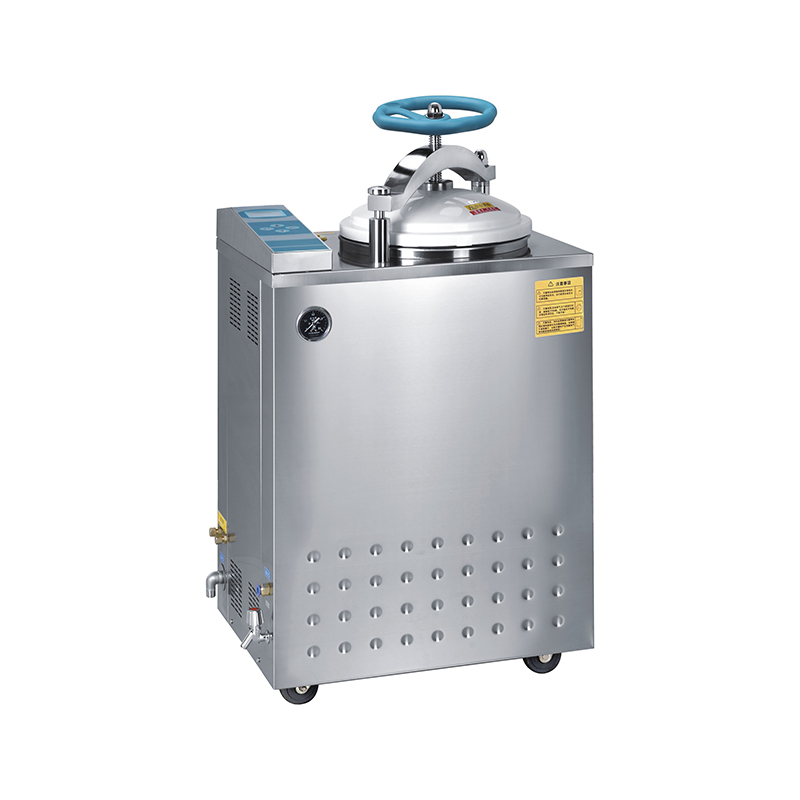
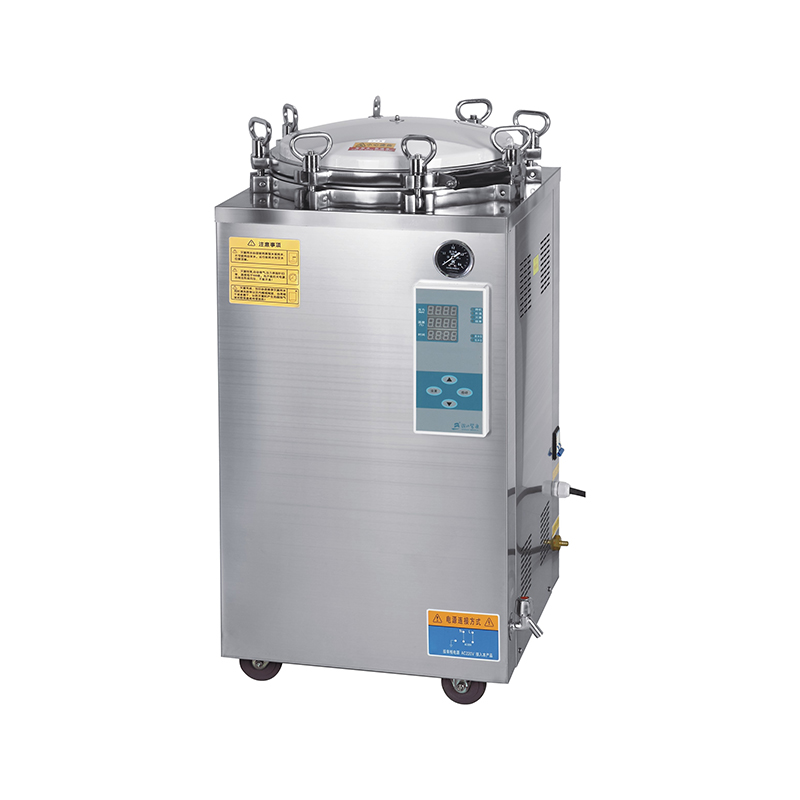
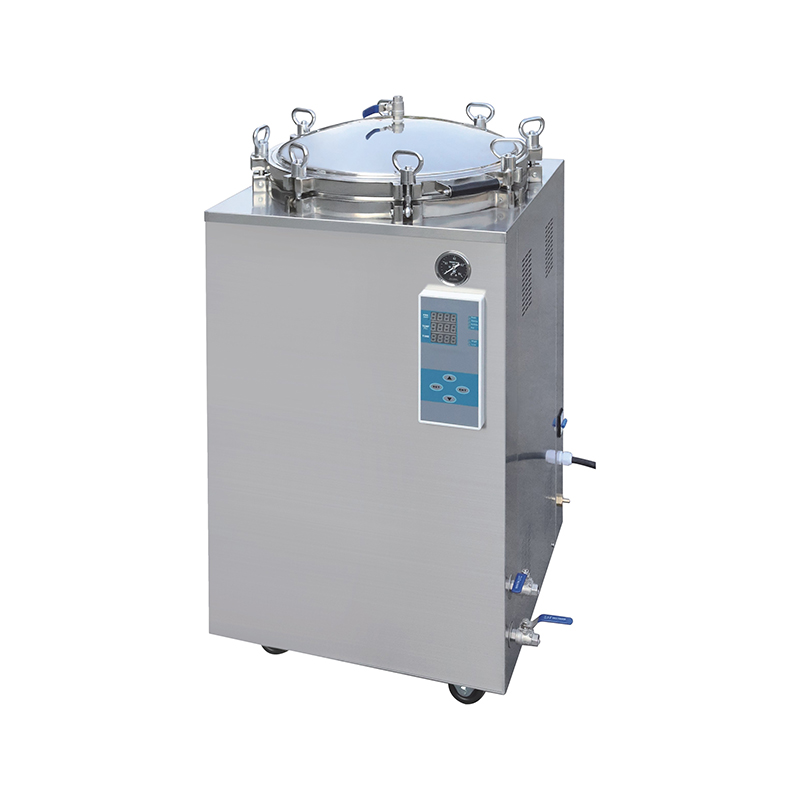
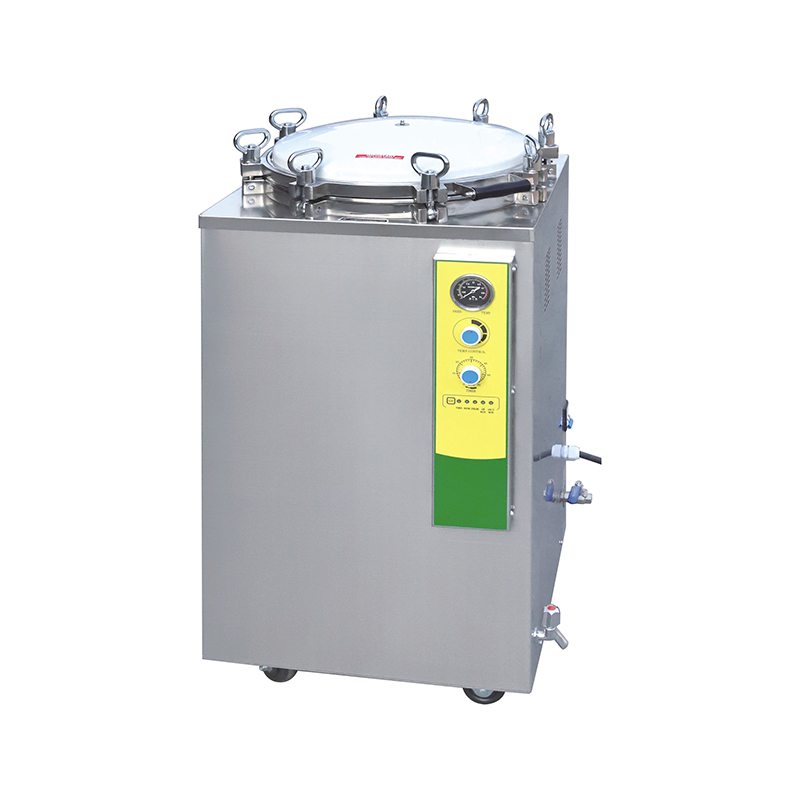
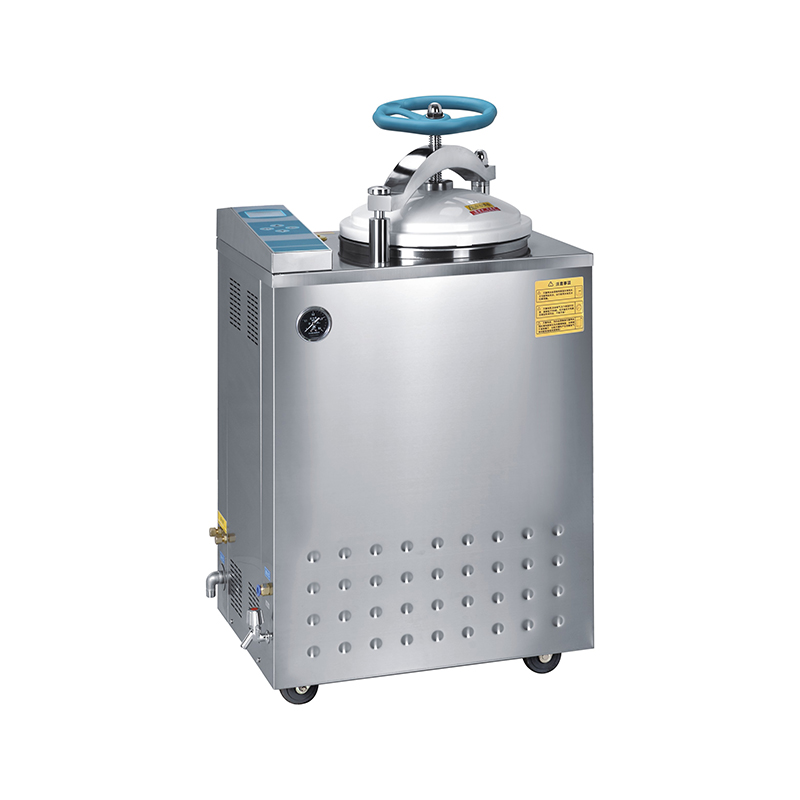
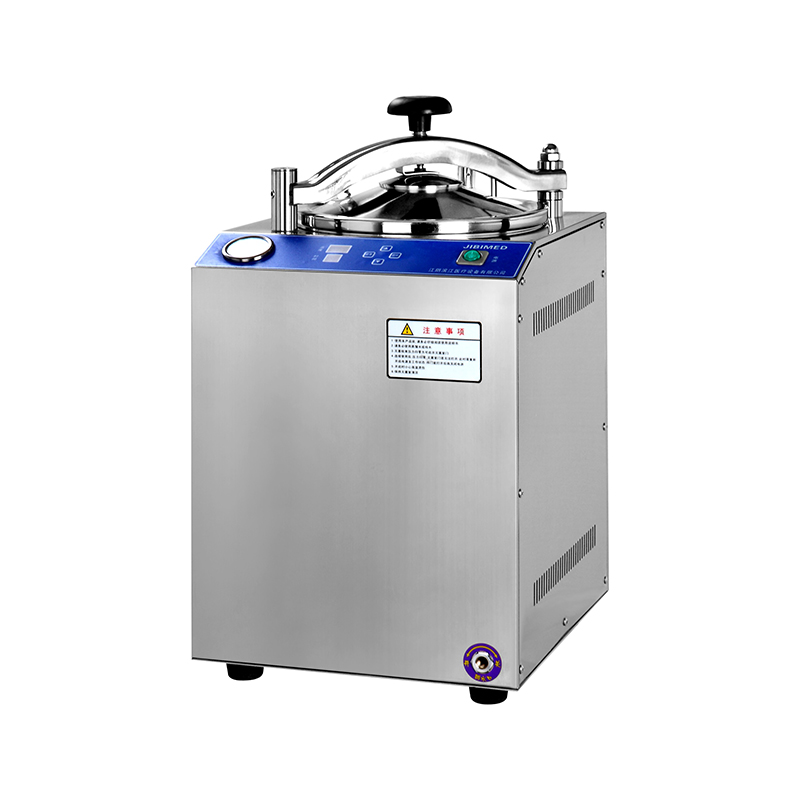
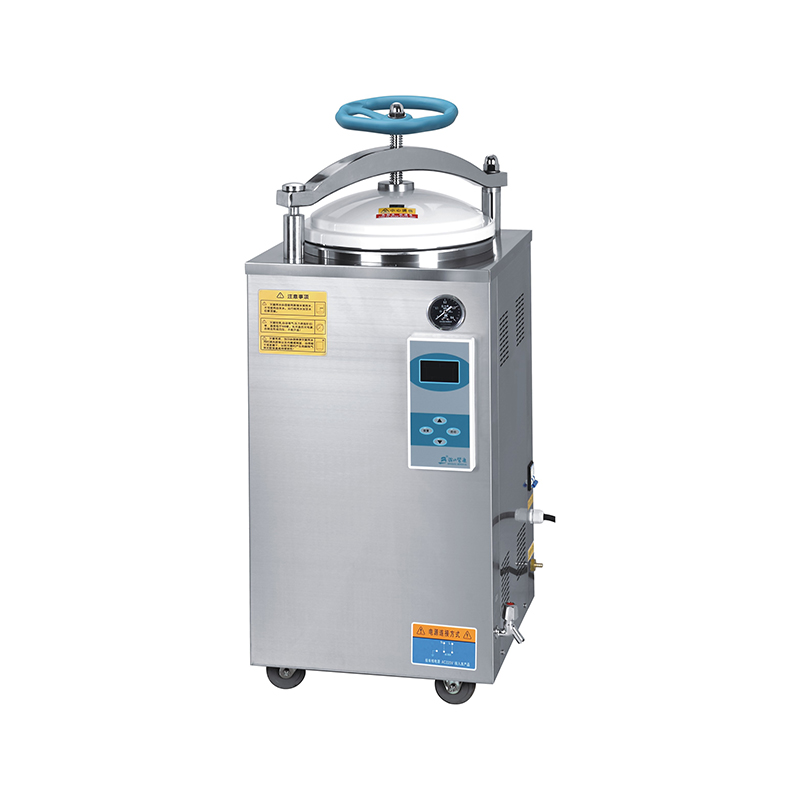 LCD Display Automation Vertical Pressure Steam SterilizerLCD display automation Vertical Pressure Steam Sterilizer is a Fully stainless steel structure, This feature ensures durability, corrosion resistance, and easy cleanin...View Product →
Noises deserve attention too. A rhythmic knocking often points to water hammer or condensate sitting in the steam line. A steady hiss means a leak. Grinding usually comes from the vacuum pump or a worn door mechanism. None of these improve with time, and each one wears out the component behind it.
Door, Seal and Latch Problems
The door gasket is the hardest-working consumable on the machine. It is squeezed, heated, and cooled on every cycle, and it collects lint, mineral deposits, and wrapping fibers. A gasket that has hardened, cracked, or flattened will leak steam, fail air removal tests, and eventually cause wet loads.
Clean the gasket with a soft cloth and a mild agent, inspect it at every maintenance check, and replace it on schedule rather than when it finally fails. If the door will not open after a completed cycle, never force it. Residual chamber pressure is the usual reason, and the pressure gauge or display will confirm it.
Documentation After a Failed Cycle
Every failure should leave a record: the load contents, the cycle selected, the parameters actually reached, the indicator results, and the action taken. That record protects your patients, your department, and your equipment history, and it makes patterns visible, which is how a recurring fault finally gets fixed.
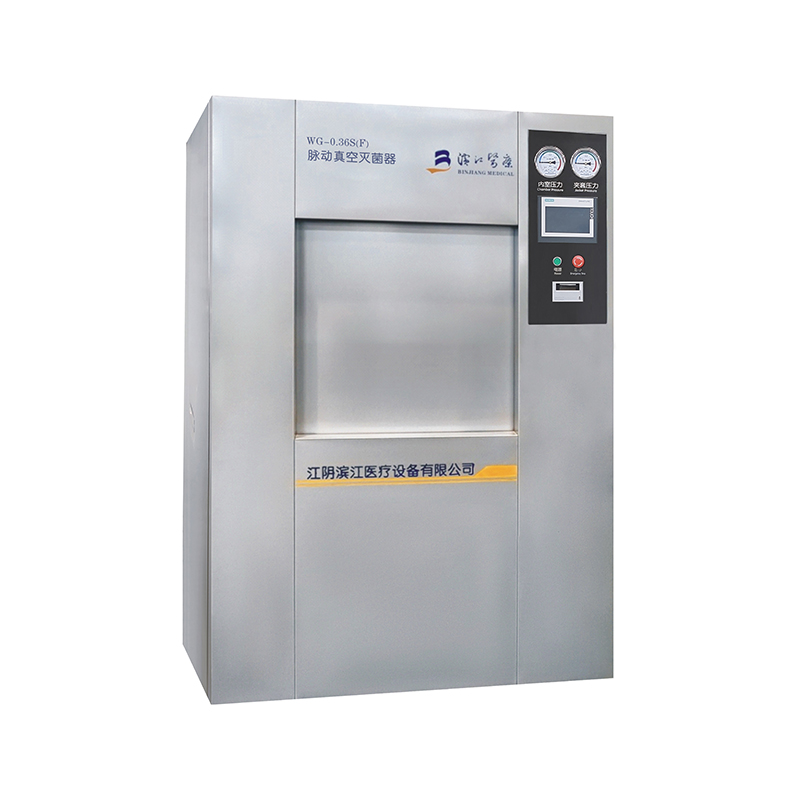
For facilities running high volumes, a horizontal sterilizer with a built-in printer captures cycle data at the moment it happens instead of reconstructing it from memory later.
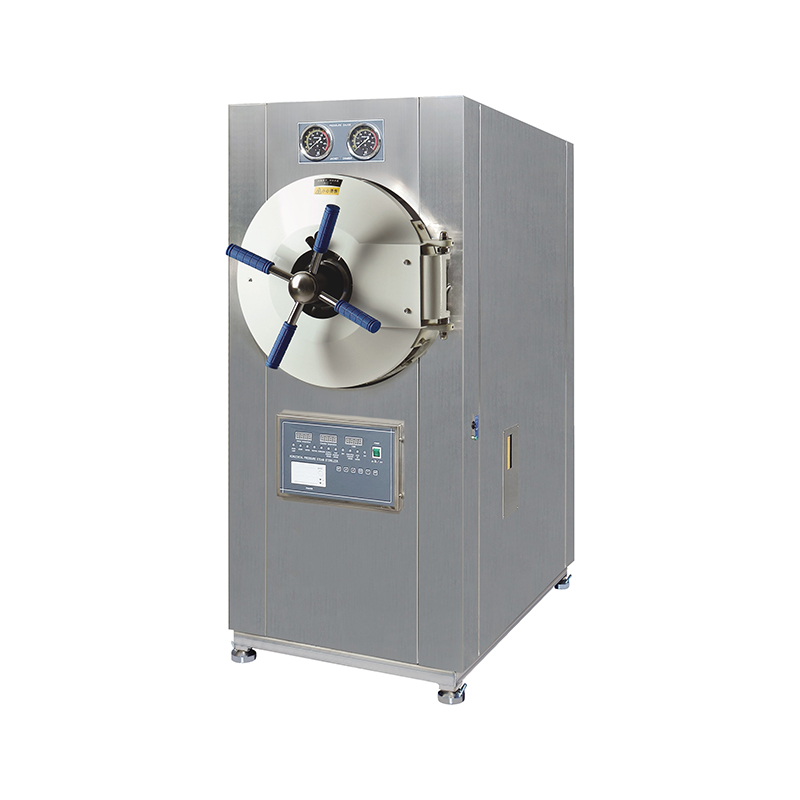 Complete stainless steel Horizontal Pressure Steam Sterilizer With printerComplete stainless steel Horizontal Pressure Steam Sterilizer horizontal design optimizes space utilization and facilitates uniform steam distribution within the chamb...View Product →
Preventive Maintenance That Prevents Most of This List
In our experience, the facilities with the fewest emergency calls are not the ones with the newest machines. They are the ones with a routine.
- Drain the chamber and clean the strainer daily.
- Inspect and wipe the door gasket at every shift change.
- Use treated water of the quality your manufacturer specifies, and descale on schedule.
- Run air removal and indicator tests as required by your local standards.
- Schedule annual service that covers safety valve checks, calibration, and vacuum pump maintenance.
When to Call a Service Technician
Some faults are worth a phone call rather than another cycle. Stop using the sterilizer and contact a qualified technician if:
- A biological indicator fails twice in a row, even after the load and cycle have been corrected.
- Overheat or overpressure protection devices trip, or the safety valve releases.
- You smell burning, see scorched wiring, or notice water pooling under the machine.
- The chamber or door shows cracks, corrosion, or mechanical damage.
- Error codes return immediately after a restart.
Pressure vessels and their safety devices are not areas for improvisation. A technician with the right calibration tools will usually find the root cause faster than a week of trial cycles.
Most autoclave problems are honest ones: air where it should not be, water where it should not stay, a gasket past its prime, or a load that was never going to sterilize evenly in the first place. Work through the checks in order, keep records, and let the machine tell you what it needs.
If you are planning a replacement, an upgrade, or simply want advice on the right chamber size for your workload, our team is glad to help. You can explore our sterilization equipment or send us the details of the fault you are chasing. Decades of building sterilizers have taught us that a calm, systematic response solves more cycles than any single spare part ever will.