English
 русский
 Français
 Español
 Indonesia
 Deutsch
 عربى
عربى 中文简体
中文简体
Choose a Hospital Sterilizer Machine Manufacturer – Key Criteria
Posted by Admin | 24 Jul
Content
- 1 Why the Right Sterilizer Manufacturer Matters for Your Hospital
- 2 Key Certifications to Verify in a Sterilizer Manufacturer
- 3 Assessing Sterilization Technology and Product Range
- 4 Evaluating After-Sales Support and Global Service Capabilities
- 5 Quality Assurance and Validation Documentation
- 6 Questions to Ask Before Partnering with a Manufacturer
Why the Right Sterilizer Manufacturer Matters for Your Hospital
A single unsterilized surgical tray can trigger a surgical site infection (SSI), adding an average of $10,000 to $25,000 per case to a hospital’s costs. The sterilizer that processes that tray is only as dependable as the company that designed, tested, and supports it. Choosing a hospital sterilizer machine manufacturer, therefore, is not a procurement afterthought—it is a clinical-risk decision that affects infection rates, regulatory audit outcomes, and daily throughput in your central sterile services department (CSSD).
A manufacturer with a narrow product range or missing certifications exposes your facility to compliance gaps. A supplier that cannot offer installation validation, staff training, or rapid spare parts can turn a device failure into days of reprocessing backlog. The evaluation process must go beyond a specification sheet and assess the manufacturer’s quality system, industry registrations, and global service infrastructure. hospital sterilization solutions built on a strong compliance foundation reduce costly downtime and protect both patients and staff.
Key Certifications to Verify in a Sterilizer Manufacturer
ISO 13485 and Industry Registration Certificates
ISO 13485 is the mandatory quality management standard for medical device manufacturers in many regulated markets. It requires documented design controls, risk management, and post-production monitoring. A manufacturer that holds this certification has demonstrated an ability to produce sterilizers that meet both safety and performance requirements consistently. Request the certificate’s scope to confirm it covers the specific sterilizer type—gravity steam, pre‑vacuum, or low‑temperature plasma—you intend to purchase.
Equally important are product registration certificates issued by national health authorities or notified bodies. These confirm that the sterilizer model has passed design review and testing against medical device directives. For U.S.‑based hospitals, look for manufacturers that can supply FDA 510(k) clearance letters or equivalent registration documents. A transparent manufacturer will publish core certifications online; you can review verified manufacturer certifications to see examples of the documentation required before a purchase.
Production Certification and Facility Audits
An ISO‑certified quality system is necessary but not sufficient on its own. Production certification—often based on ISO 9001 combined with industry‑specific standards—should cover the fabrication, assembly, and testing environment. Verify whether the manufacturer’s facility is subject to periodic third‑party audits, because those audits examine welding procedures, pressure vessel fabrication traceability, and cleanroom conditions, all of which affect sterilizer reliability.
When a manufacturer openly documents testing protocols such as helium leak tests, chamber surface finish inspections, and electrical safety verification, it signals that quality is built into the production line, not just checked at final inspection. During evaluation, ask for a summary audit report from the last two surveillance audits—not just the certificate.
Assessing Sterilization Technology and Product Range
Steam vs. Low-Temperature Plasma Sterilizers
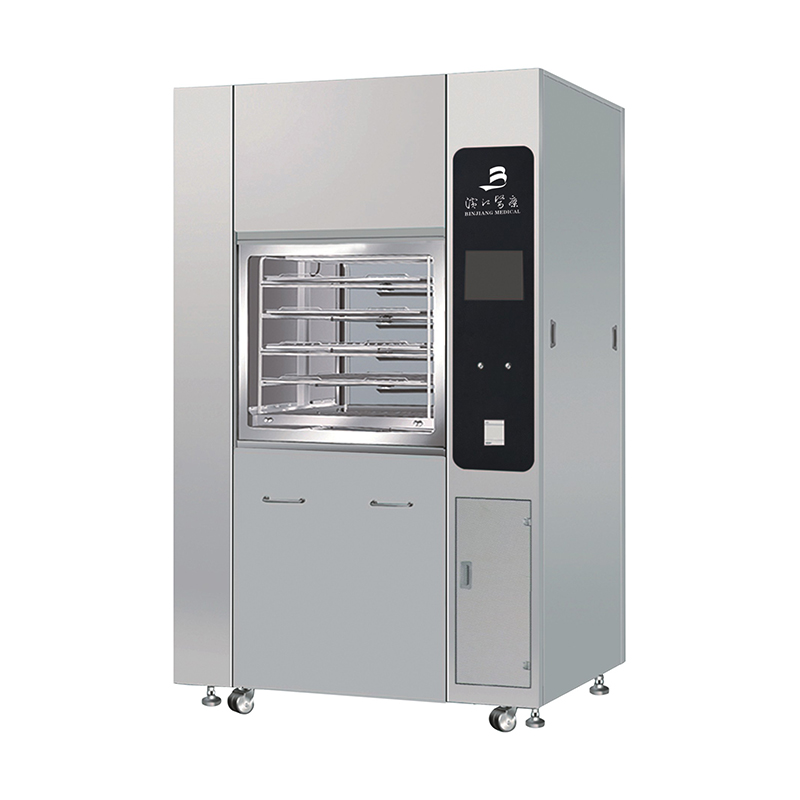
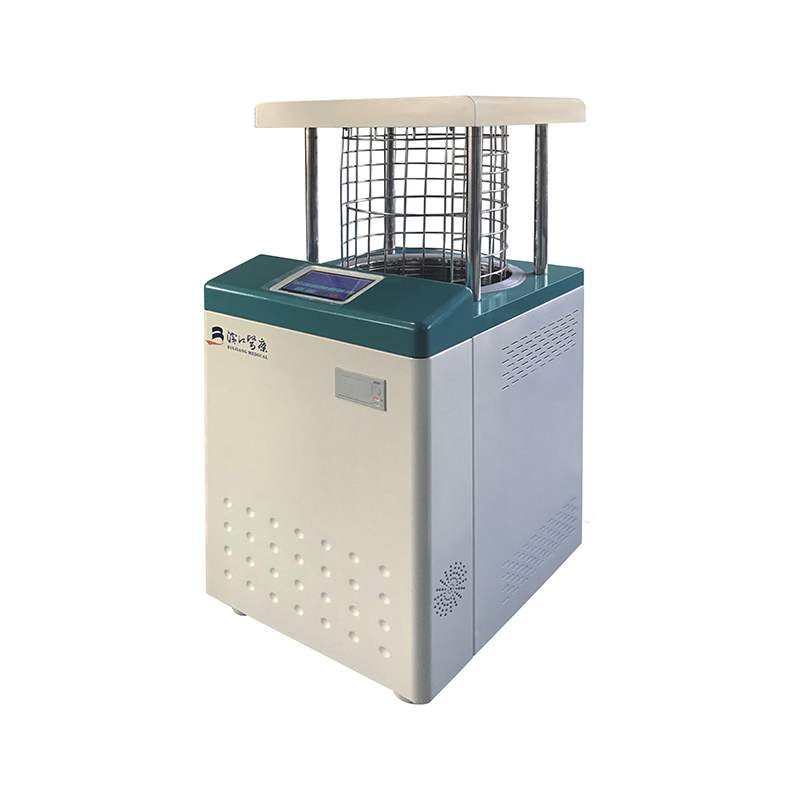
The technology choice directly determines which surgical instruments and materials you can reprocess. Gravity and pre‑vacuum steam sterilizers remain the workhorse for stainless steel instruments, textiles, and heat‑tolerant items. They rely on saturated steam under pressure, with typical cycle parameters of 121 °C or 134 °C. However, heat‑sensitive devices such as flexible endoscopes, cameras, and certain polymer‑based single‑port access systems demand a different approach. A low-temperature plasma sterilizer for hospital use uses hydrogen peroxide vapor and low‑temperature gas plasma to achieve sterility without thermal damage, preserving device integrity while achieving a sterility assurance level (SAL) of 10⁻⁶.
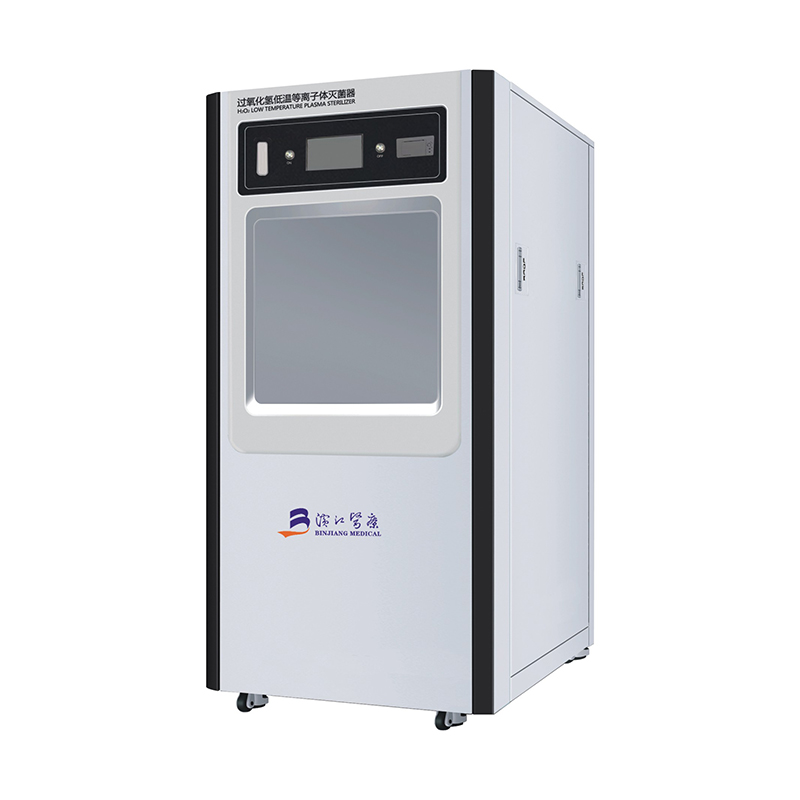 Wholesale H₂O₂ LowTemperature Plasma Sterilizer Suppliers, OEM/ODM Company - JiaJiangyin Binjiang Medical Equipment Co., Ltd. is China wholesale H₂O₂ LowTemperature Plasma Sterilizer suppliers and OEM/ODM company, det...View Product →
A manufacturer that offers both steam and low‑temperature plasma lines provides a single‑source validation advantage. You can standardize cycle documentation, biological indicator compatibility, and service contracts across the department. Evaluate how each technology handles lumen restrictions, load dryness requirements, and material compatibility—these are the parameters that cause daily workflow friction if misapplied.
Considering Chamber Size and Cycle Customization
Chamber volume directly correlates with throughput and utility costs. A 100‑liter horizontal sterilizer may suit a small surgical center, while a 600‑liter or larger pulse‑vacuum unit is necessary for a high‑volume CSSD processing bulk linens and instrument sets. The manufacturer should provide detailed chamber dimension sheets, not just nominal liter ratings, because rectangular chambers often utilize space more efficiently than cylindrical ones for wrapped packs.
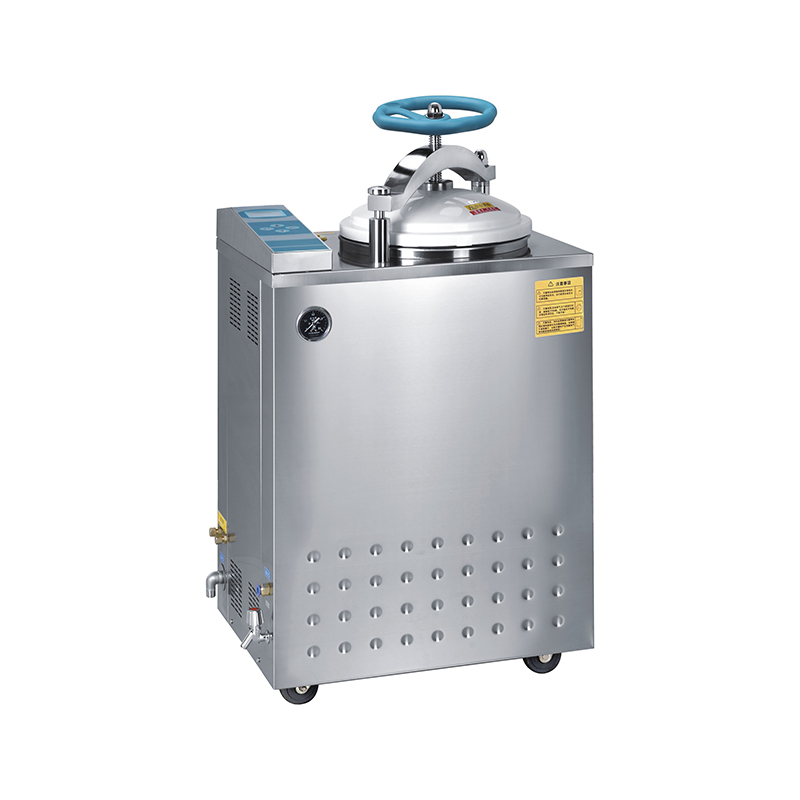
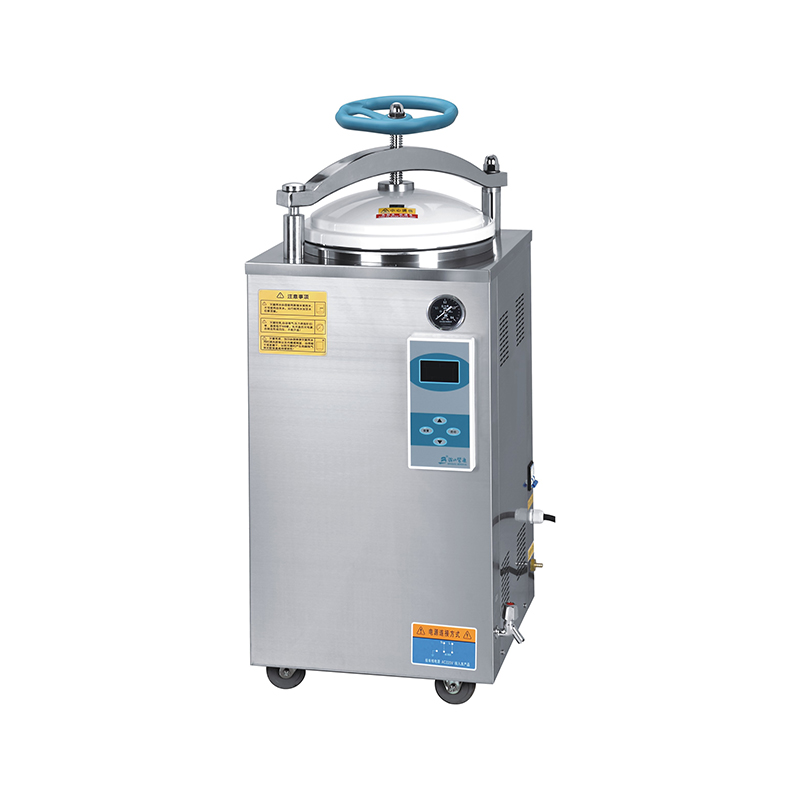
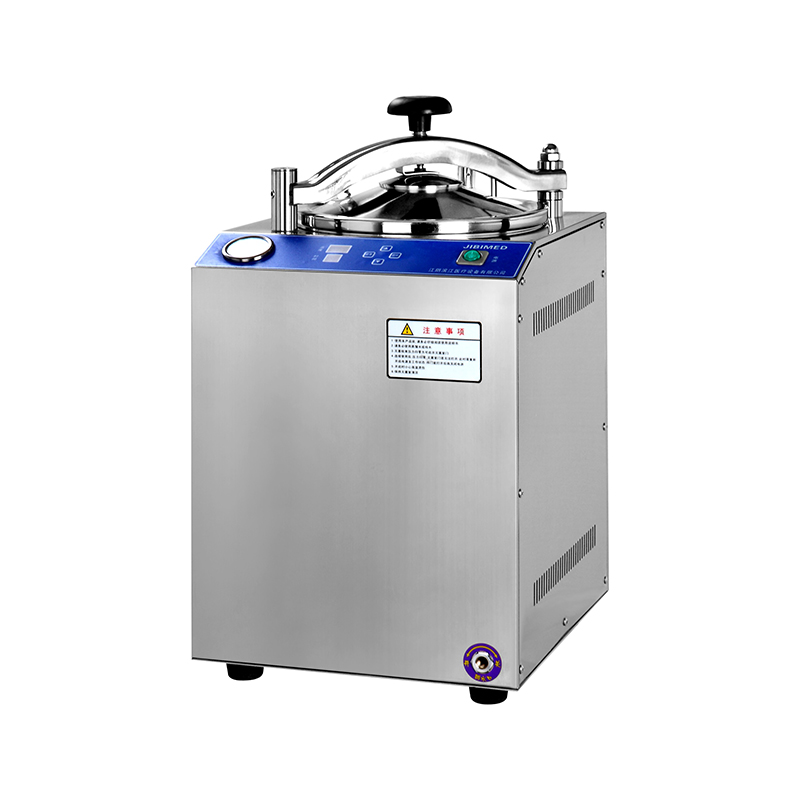
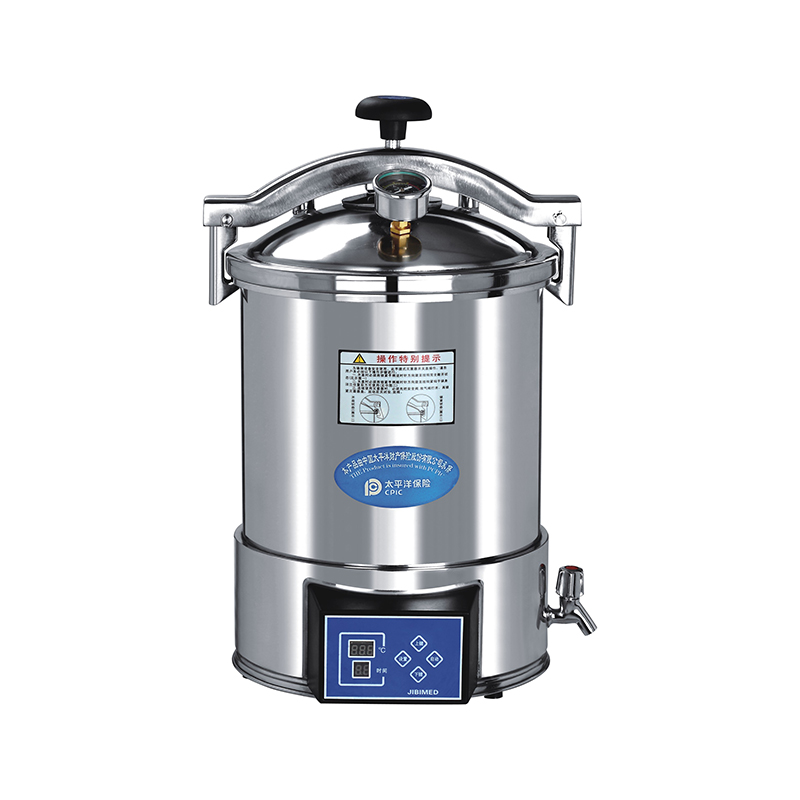
Cycle customization is the single most overlooked factor in sterilizer selection. Pre‑programmed cycles for liquids, porous loads, and instruments are standard, but a reliable manufacturer allows CSSD supervisors to create, validate, and lock specific cycles matched to their instrument inventory. For example, a vertical steam sterilizer for CSSD with adjustable holding times, exhaust rates, and drying phases can handle mixed loads of wrapped containers and unwrapped utensils within the same chamber without risking wet packs. customized sterilization cycles for hospitals reduce the number of rejected loads and streamline turnaround times, ultimately lowering the cost per sterile item.
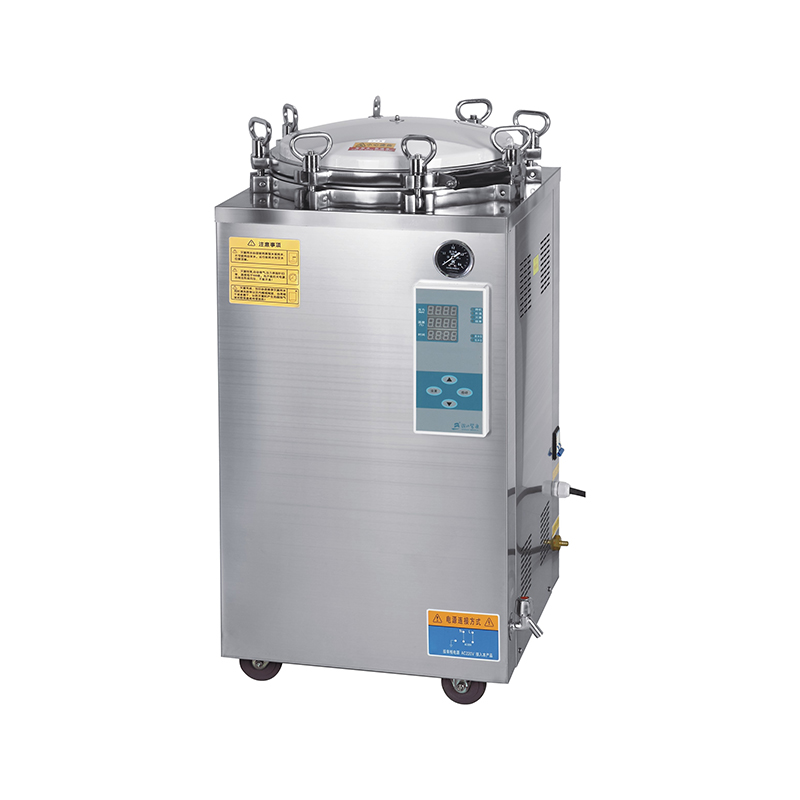
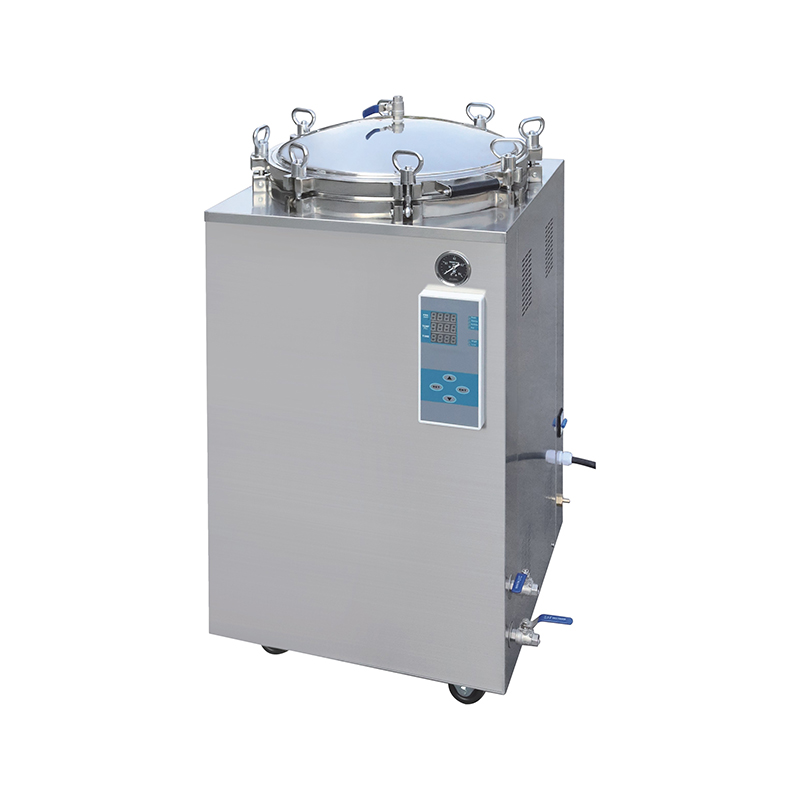
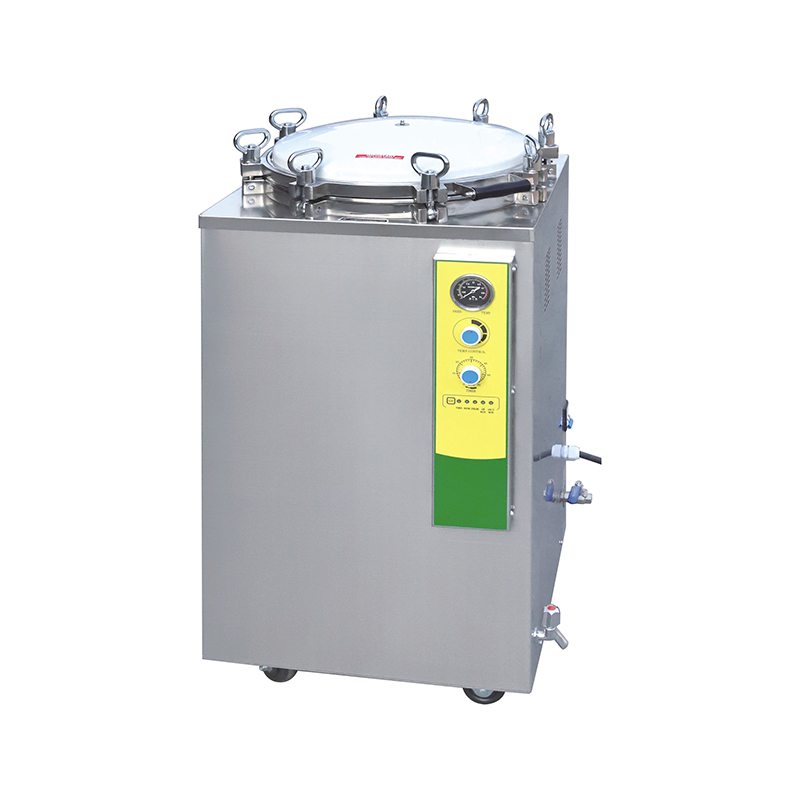
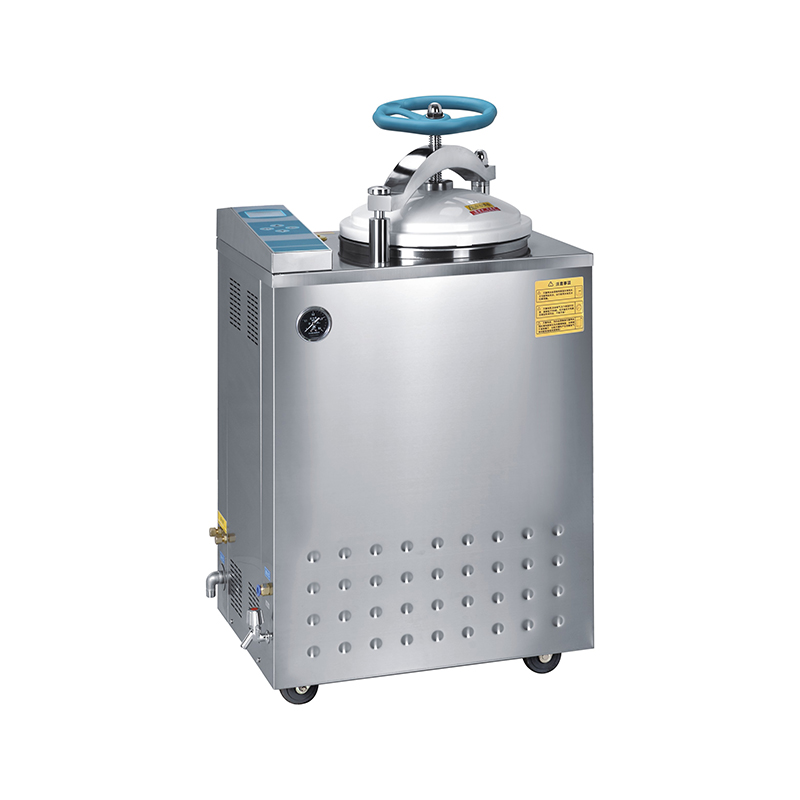
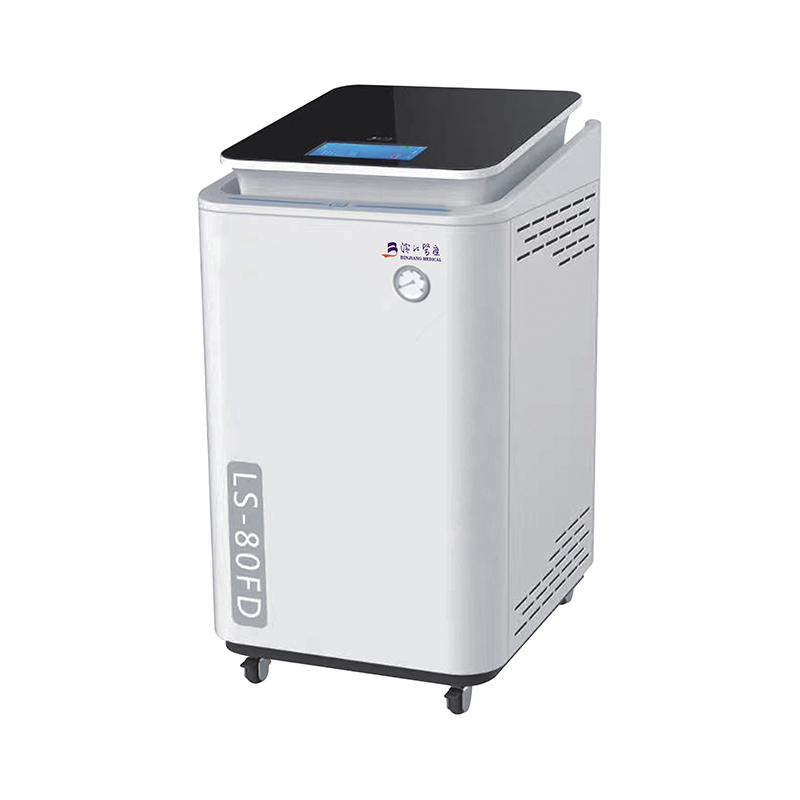 Wholesale Vertical Steam Sterilizer Suppliers, OEM/ODM Company - Jiangyin BinjiaJiangyin Binjiang Medical Equipment Co., Ltd. is China wholesale Vertical Steam Sterilizer suppliers and OEM/ODM company, details: The au...View Product →
When a CSSD must reprocess large volumes of instrument trays, a pulse vacuum autoclave for large-volume sterilization becomes a capital investment that demands robust cycle customization and uniform chamber temperature mapping. Request validation data demonstrating temperature distribution across worst‑case load configurations before committing.
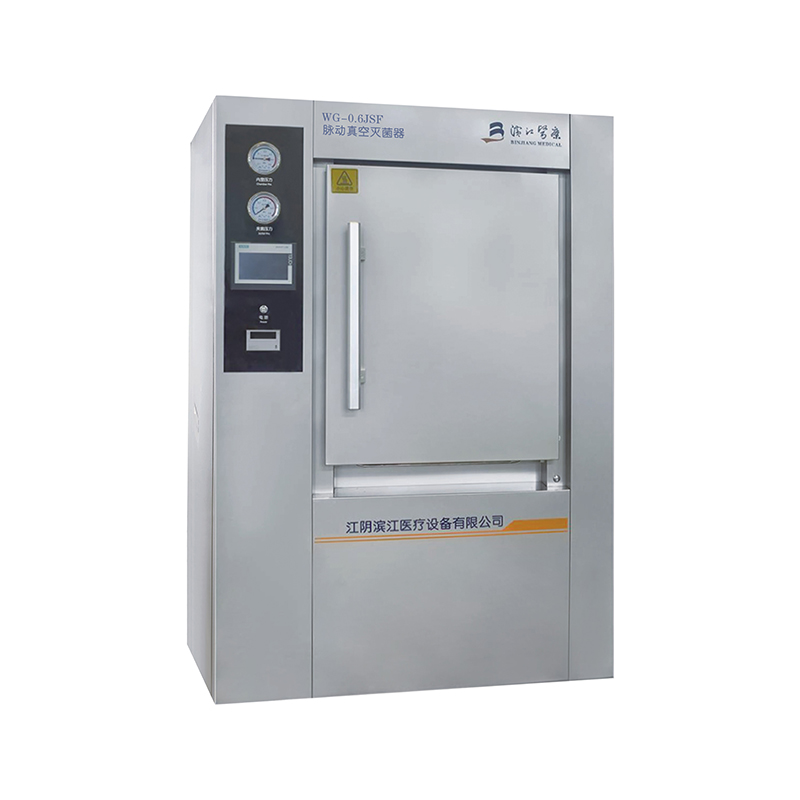 Wholesale WG Pulse Vacuum Autoclave Suppliers, OEM/ODM Company - Jiangyin BinjiaJiangyin Binjiang Medical Equipment Co., Ltd. is China wholesale WG Pulse Vacuum Autoclave suppliers and OEM/ODM company, details: WG se...View Product →
Evaluating After-Sales Support and Global Service Capabilities
Even the most precisely engineered sterilizer will require preventive maintenance, calibration, and occasional component replacement. The manufacturer’s after‑sales responsiveness directly impacts your CSSD’s uptime. Ask for the guaranteed response time for on‑site technical support in your region and the typical lead time for critical spare parts such as door gaskets, vacuum pump vanes, and control boards.
Beyond parts, evaluate training programs. A manufacturer that provides on‑site operator and technician training, complete with competency assessment and certificate issuance, reduces user errors that cause aborted cycles. Remote diagnostic capability is another differentiator: the ability for factory engineers to connect to the sterilizer’s PLC and troubleshoot logic faults without dispatching a field technician often halves the mean time to repair. Evidence of international exhibition participation—such as regular presence at MEDICA, Arab Health, or FIME—indicates a manufacturer committed to maintaining a global service network and staying current with regulatory changes.
Quality Assurance and Validation Documentation
A complete IQ/OQ/PQ dossier is the operational backbone of every compliant sterilizer installation. The installation qualification (IQ) verifies that the unit is placed correctly and connected to utilities. The operational qualification (OQ) runs empty‑chamber tests to confirm temperature mapping, pressure hold, and Bowie‑Dick test capability. The performance qualification (PQ) is the practical proof: loaded‑chamber thermometric studies with biological indicator testing under real‑world loading patterns. A manufacturer that hands over a pre‑populated, customizable protocol package saves weeks of work and audit back‑and‑forth.
Look for manufacturers that support your biological indicator program. They should recommend specific spore strips or self‑contained biological indicators for their cycles and provide data on the required exposure conditions. Documentation should also include materials for chemical indicator placement and routine steam quality testing. When a manufacturer can provide chemical indicator performance data linked to their sterilizer’s cycle profiles, it eliminates guesswork during weekly monitoring.
Questions to Ask Before Partnering with a Manufacturer
- What is the average lead time for a replacement door seal or heating element, and do you hold regional spare parts inventory?
- Can you supply a reference list of hospitals using the same sterilizer model for at least three years?
- Do you offer an annual preventive maintenance contract with guaranteed same‑day remote diagnostic support?
- How many programmable cycle recipe slots does the sterilizer provide, and can they be password‑protected against unauthorized changes?
- Will your application specialist assist with the first full‑load PQ validation on site?
These questions move the conversation beyond brochures and into the operational reality that determines total cost of ownership. A manufacturer that answers them with specific, documented commitments is the one worth building a long‑term partnership with.