English
 русский
 Français
 Español
 Indonesia
 Deutsch
 عربى
عربى 中文简体
中文简体

Is Condensation of Steam a Chemical Change? The Clear Answer
Posted by Admin | 23 Apr
Content
When steam touches a cool surface and turns into water droplets, is that a chemical reaction? The short answer is no — condensation of steam is a physical change, not a chemical change. The water molecules remain exactly the same before and after. This distinction matters not just in chemistry class, but also in practical fields like medical sterilization, where steam condensation is the very mechanism that kills microorganisms.
Physical Change vs. Chemical Change: The Key Difference
To understand why condensation is physical and not chemical, it helps to clarify what separates the two types of change.
A physical change alters the form or state of a substance without changing its chemical identity. The molecules stay the same — only their arrangement or energy level shifts. Melting ice, dissolving sugar in water, and bending a metal rod are all physical changes.
A chemical change, by contrast, produces one or more entirely new substances with different molecular structures. Burning wood produces carbon dioxide and ash — neither of which is wood. Rusting iron forms iron oxide. These processes are generally irreversible and involve a reorganization of chemical bonds.
The clearest test: does the substance keep the same chemical formula after the change? If yes, it's physical. If no, it's chemical.
What Happens When Steam Condenses
Steam is simply water (H₂O) in its gaseous state. When steam loses energy — typically by making contact with a cooler surface — its molecules slow down and move closer together, transitioning from gas to liquid. The result is liquid water, still H₂O, with no new substance formed.
This process is completely reversible: heat the liquid water back up and it becomes steam again. That reversibility is a hallmark of physical changes. No chemical bonds between hydrogen and oxygen atoms are broken or formed during condensation — only the intermolecular forces (the attractions between water molecules) change.
By contrast, if water were split into hydrogen gas and oxygen gas through electrolysis, that would be a chemical change, because entirely new substances with different formulas are produced.
Common examples to compare:
- Steam condensing into water → Physical change (H₂O stays H₂O)
- Ice melting into water → Physical change (H₂O stays H₂O)
- Burning hydrogen gas → Chemical change (H₂ + O₂ → H₂O, new substance formed)
- Rusting iron → Chemical change (Fe → Fe₂O₃, new substance formed)
Why This Matters in Steam Sterilization
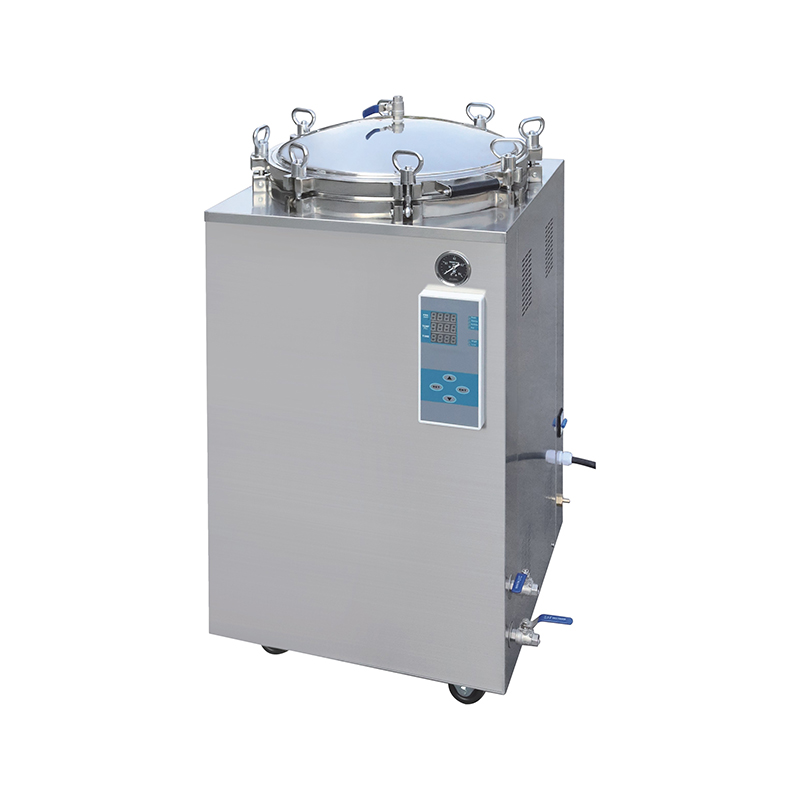
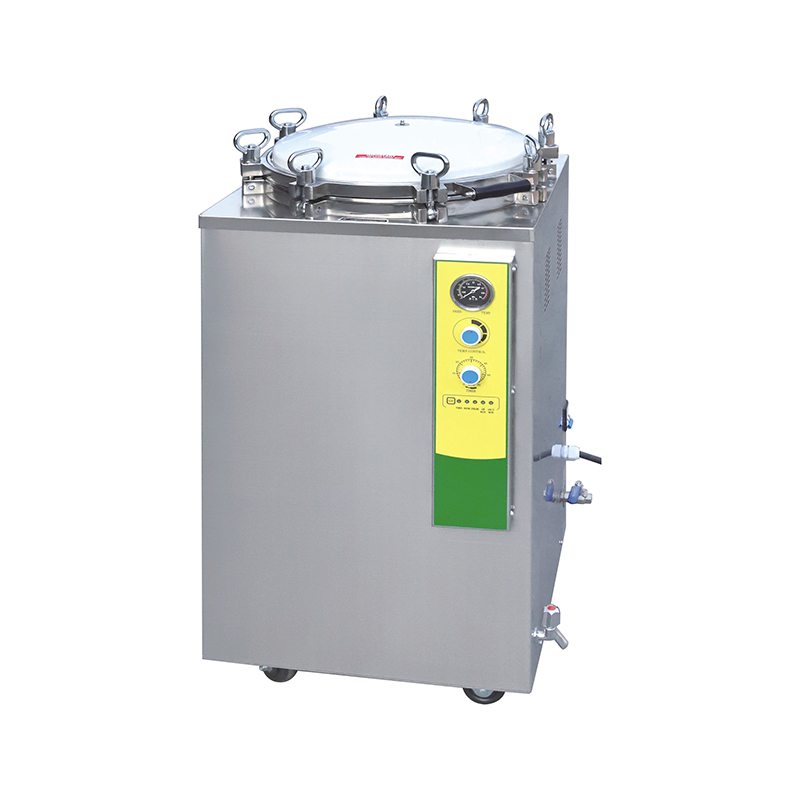
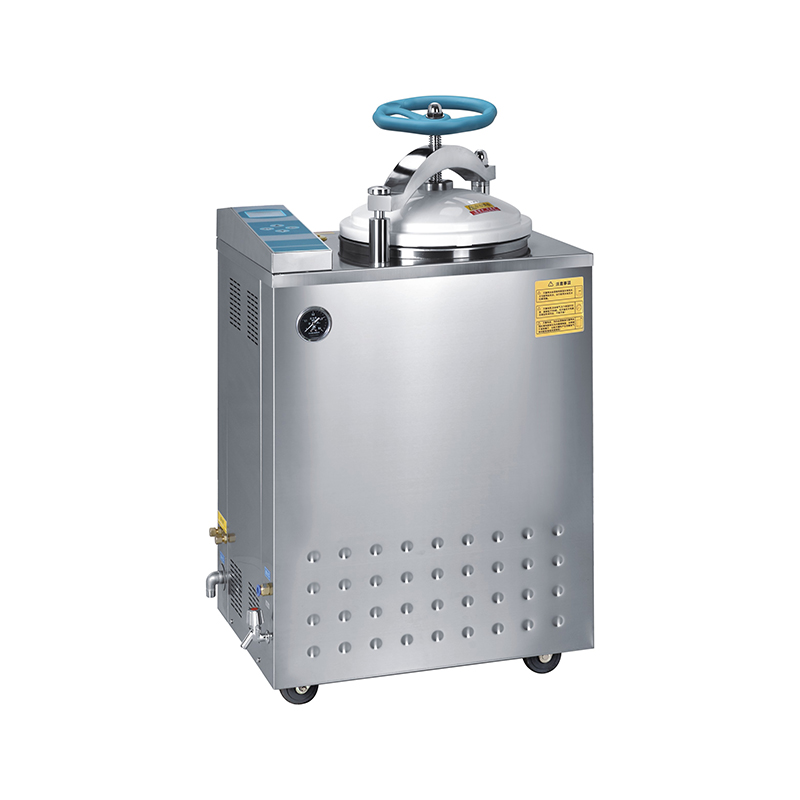
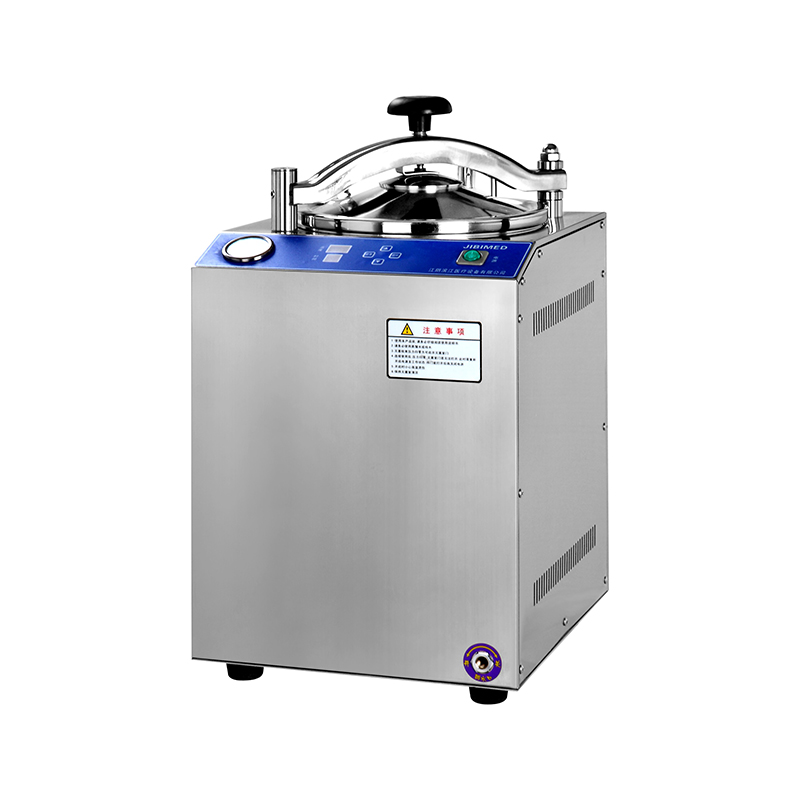
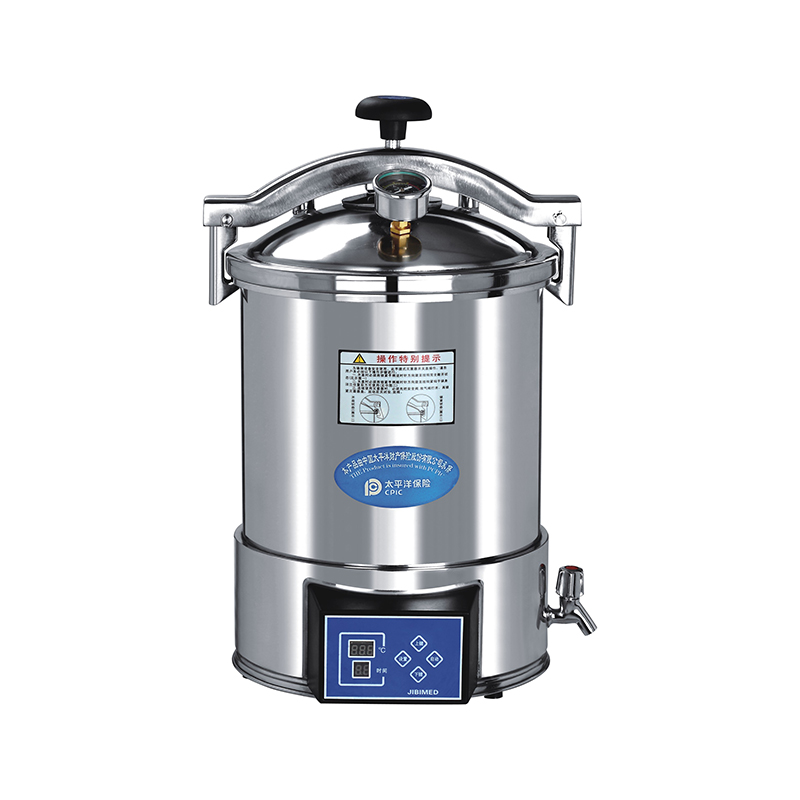
Understanding that condensation is a physical change has direct relevance in the field of autoclaves and high-pressure steam sterilization. In a steam sterilizer, instruments are exposed to pressurized saturated steam at temperatures typically between 121°C and 134°C. When that steam contacts cooler instrument surfaces, it condenses — releasing a significant amount of latent heat directly onto the surface.
This heat release is what makes steam so effective at sterilization. Each gram of steam condensing transfers roughly 2,260 joules of energy — far more than the same mass of hot water at the same temperature could deliver. That intense, rapid heat transfer denatures proteins and destroys microbial cell structures.
Crucially, the steam itself does not chemically react with the instruments. It simply changes state, deposits energy, and drains away as condensate. This is why saturated steam sterilization is safe for a wide range of medical devices — the sterilant leaves no chemical residue. For a practical guide on the temperatures involved, see this overview of steam temperature for sterilization.
Frequently Asked Questions
Is boiling water a chemical change?
No. Boiling converts liquid water into steam (water vapor), but the chemical formula remains H₂O throughout. It is a physical change involving a liquid-to-gas state transition.
Can condensation ever be part of a chemical process?
Condensation itself is always a physical change. However, condensed water can then participate in chemical reactions — for example, water droplets reacting with iron to begin rusting. The condensation step is still physical; the subsequent rusting is the chemical change.
Why do some students confuse condensation with a chemical change?
The confusion often arises because condensation produces a visible change — water droplets appearing on surfaces can look like something "new" is being created. But the substance formed (liquid water) is chemically identical to the original steam. Only the physical state has changed, not the molecular identity.