English
 русский
 Français
 Español
 Indonesia
 Deutsch
 عربى
عربى 中文简体
中文简体
Sterilizer Feed Water System: Quality Requirements and Practical Selection Guide
Posted by Admin | 04 Sep
Content
A nurse manager in a busy surgical center notices brown spots on freshly sterilized instruments and flags the autoclave for service. A lab technician opens a vertical pressure steam sterilizer that has been running for four years and finds a thick layer of scale on the heating element. Neither is a sterilizer defect. Both trace back to one overlooked source: the feed water system.
Here is the core conclusion. Feed water quality is the single most controllable factor in sterilization reliability. If the water entering the sterilizer generator or boiler does not meet recognized specifications, cycles fail, chambers corrode, instruments stain, and repair costs become a routine budget line. The feed water system supplies the water that becomes steam, and every impurity in that water travels with the steam into the chamber, contacts the load, and remains behind when the cycle completes.
What a Sterilizer Feed Water System Delivers
A feed water system prepares and delivers water to the boiler, steam generator, or heat exchanger within the sterilizer. In a direct-electric sterilizer, a built-in boiler turns feed water into steam inside the jacket. In an indirect clean steam system, plant steam heats purified water through a heat exchanger, and the resulting clean steam enters the chamber. That distinction matters because carbon steel generators in plant steam systems tolerate slightly higher conductivity, while stainless steel clean steam generators require a tighter chemical profile.
The system consists of the water source, treatment stage, storage tank, piping, and delivery controls. Every component affects the final steam quality. A skipped filter change or an exhausted resin bed can shift water conductivity in a single operating day, so water must be sampled at the delivery point rather than at the municipal supply tap.
Feed Water Specifications to Follow
EN 285 and aligned national standards define the water chemistry limits that a steam sterilizer can accept without damage. These targets apply to facilities that reprocess medical devices. The table below summarizes the key parameters and the reason behind each limit.
| Parameter | Limit | Why it matters |
|---|---|---|
| pH at 20 °C | 7.0 to 8.0 | Extreme pH accelerates corrosion of mild steel and damages synthetic seals. |
| Conductivity at 20 °C | ≤ 5 μS/cm | Indicates total ionic content. Higher values mean dissolved salts remain as residue. |
| Chloride | ≤ 2 mg/L | Primary cause of pitting corrosion in stainless steel chambers. |
| Hardness | ≤ 0.02 mmol/L | Calcium and magnesium scale reduce heat transfer and block narrow flow passages. |
| Silica | ≤ 2 mg/L | Forms a hard, glassy deposit on chamber and instrument surfaces. |
| Total dissolved solids | ≤ 10 mg/L | General marker of residue that stains instruments and leaves powder inside the chamber. |
These figures are targets for sterilizer feed water, not building tap water. A short-term tolerance in a carbon steel steam generator does not offset the long-term maintenance consequences. The complete scope of autoclave water requirements includes sampling points, validation protocols, and storage tank handling.
Consequences When Feed Water Quality Is Weak
Every contaminant creates a specific failure mode, and knowing which one to expect helps you decide which parameter to monitor first.
- Scale build-up. Calcium and magnesium hardness precipitate on heated surfaces. The heating element becomes less efficient, the sterilizer runs longer to reach target temperature, and repeated overheating can trip safety switches, eventually requiring replacement of the boiler or generator.
- Pitting corrosion. Chloride ions attack the passive oxide layer on stainless steel, producing pits that deepen with every cycle. Pitted chambers are difficult to decontaminate and generally require replacement rather than repair.
- Instrument staining. Iron leaves brown spots, copper leaves blue or green spots, and silica leaves white powder. All three fail visual inspection and force a second sterilization cycle, increasing reprocessing time and cost.
- Filter and trap blockages. Suspended particles collect in line filters and thermostatic steam traps. A blocked trap prevents condensate drainage, resulting in wet loads and incomplete sterilization.
- Failed pre-vacuum. Non-condensable gases present in the feed water, especially carbon dioxide, expand during the air removal phase and burden the vacuum pump. The temperature of the water supplied to the vacuum pump influences cycle efficiency; warmer water reduces gas loads, which shortens cycle time and lowers overall water consumption.
Facilities operating one or two small sterilizers often solve the problem by using distilled water. A wall-mounted electric distilled water system provides low-conductivity water without taking up floor space in the sterilizing room, which makes it a practical choice for clinics, laboratories, and smaller CSSDs.
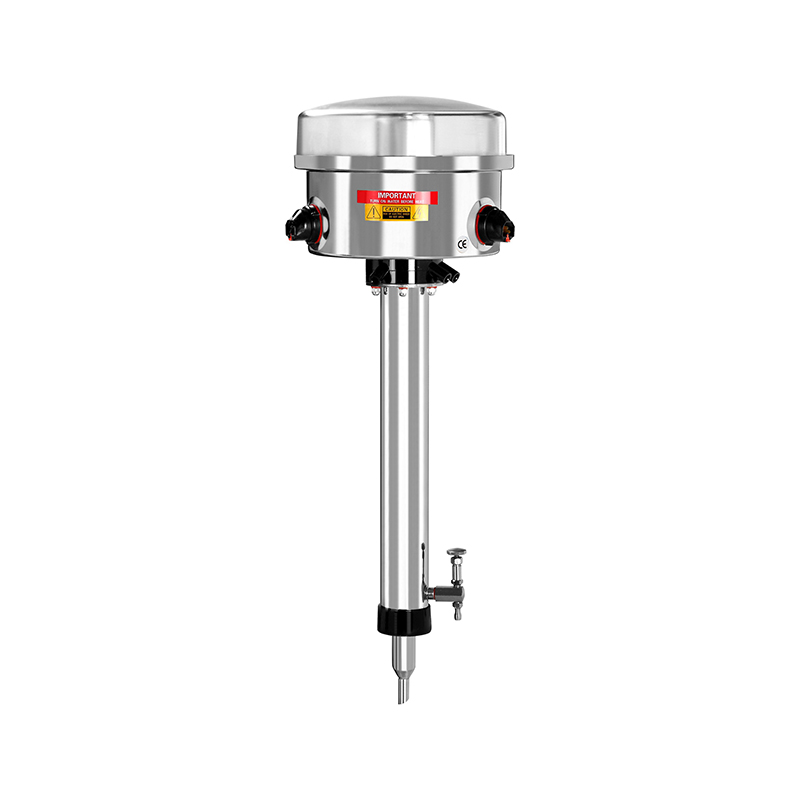 Wall-Mounted Electric Distilled Water System for Small FacilitiesThis wall-mounted unit provides low-conductivity distilled water without occupying floor space, making it ideal for clinics, laboratories, and smaller CSSDs seeking a space-saving water source.View Product →
Larger CSSDs with multiple cycles per hour should build a treatment chain instead of relying on a single unit. A structured way to plan this is to compare a water quality audit against the requirements in your facility. The article on water quality standards and compliance best practices in CSSDs offers a practical framework for facilities that are building this program.
Feed Water Treatment Options Compared
Four treatment methods cover almost all sterilizer feed water applications. The table below compares them by removal capability, maintenance effort, and typical application.
| Method | Removal capability | Maintenance | Typical application |
|---|---|---|---|
| Distillation | Removes over 99% of ions, organics, and particulates | Clean the boiling chamber and descale periodically | Small to medium facilities; wall-mounted units fit compact spaces |
| Reverse osmosis | Removes 90–99% of ions and most organics | Prefilter replacement and membrane changes every 2–3 years | Primary treatment for larger CSSDs and pharmaceutical use |
| Deionization | Removes virtually all ionic residues | Resin regeneration or replacement | Final polishing after RO or distillation |
| Softening | Removes hardness only, not TDS | Salt refill and valve inspection | Pre-treatment for RO or boilers; not a high-purity water source |
Selection is mainly a question of volume. A facility running forty cycles per day needs a system that can process enough water continuously or regenerate within the operating shift. A clinic running two table-top cycles per day can meet the same water quality limits with a small distillation unit. Both deliver conductivity below the 5 μS/cm threshold, but the total cost of ownership differs when energy, maintenance, consumables, and downtime are included.
How to Choose a Feed Water System for Your Facility
Match the system to the sterilizer steam inlet
Check whether your sterilizer uses a jacketed chamber with an internal boiler, a clean steam generator, or a plant steam connection. Built-in boilers for vertical and table-top sterilizers accept distilled or deionized water without issue. Clean steam generators used in pharmaceutical production demand a stricter feed water profile and a monitored treatment chain.
Calculate peak demand in liters per minute
List the cycles scheduled for the busiest hour and note the steam consumed per cycle. The system must meet that output plus the storage capacity needed for sudden contact. An undersized feed water system causes pressure fluctuation, which destabilizes the sterilization temperature and leads to failed loads.
Plan for verification and record keeping
Set the monitoring schedule before buying equipment. Conductivity checks should be run weekly or monthly based on the system design. A full quarterly analysis is acceptable for low-cycle facilities, but a simple daily conductivity reading creates an audit trail for licensing inspections and supports sterilization validation.
Estimate service and consumable cost
Ask the manufacturer about replacement intervals for membrane cartridges, resin beds, and pre-filters. Include the cost of descaling solution, labor, and annual professional service in the calculation. A feed water system is a recurring operating cost, not a one-time capital expense.