English
 русский
 Français
 Español
 Indonesia
 Deutsch
 عربى
 中文简体

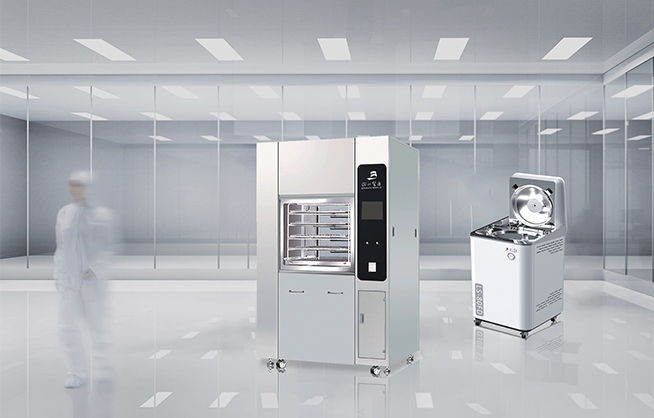

Vaporized Hydrogen Peroxide Sterilization: A Practical Guide for Device Teams
Posted by Admin | 23 Nov
Content
Vaporized hydrogen peroxide sterilization has a reputation problem. Some teams treat it as a drop-in replacement for steam; others avoid it because a single failed lumen test makes the whole method look fragile. In practice, VHP sits in a useful but narrow lane: it is a low-temperature option for heat- and moisture-sensitive medical devices, and it rewards teams who respect its limits. At JIBIMED, we build steam and low-temperature sterilization equipment, so we tend to see VHP not as a rival to autoclaves but as one more tool that has to earn its place in a validated process.
What Vaporized Hydrogen Peroxide Sterilization Actually Does
Vaporized hydrogen peroxide sterilization uses hydrogen peroxide that is converted from liquid into vapor inside a sealed, controlled chamber. Under vacuum, the vapor is distributed around the load and reaches exposed surfaces. The oxidative action damages proteins, membranes, and nucleic acids, which is why VHP can be sporicidal, bactericidal, fungicidal, and virucidal when the cycle is properly designed.
The important word is “vaporized.” This is not a room fogging can or a quick wipe-down. A validated VHP process depends on concentration, temperature, humidity, pressure, exposure time, load configuration, and packaging. Change one of those variables and the outcome can change with it. That is also why VHP is best understood as surface sterilization: if the vapor cannot reach a surface, the process cannot claim to sterilize it.
The VHP Cycle, Step by Step
Most vaporized hydrogen peroxide sterilization cycles follow a similar rhythm: prepare the chamber and load, expose the load to hydrogen peroxide vapor, then remove residual sterilant before the load is released. The details vary by sterilizer, packaging, and device mix, but the logic is consistent.
| Phase | What happens | Why it matters |
|---|---|---|
| Conditioning | The chamber is evacuated, checked for leakage, and brought to the required temperature and humidity conditions. | Air and moisture can block vapor contact, so this phase sets the stage for repeatable diffusion. |
| Sterilant exposure | Hydrogen peroxide vapor is introduced, held, and sometimes pulsed to reach surfaces and lumens. | Concentration, pressure, and time must match the validated load; more vapor is not automatically better. |
| Post-conditioning and aeration | Residual hydrogen peroxide is removed through vacuum, ventilation, or other validated means. | Residuals can irritate tissue and interfere with use, so release should wait for a validated endpoint. |
Half-cycle validation is a familiar concept in VHP work. The idea is to show that the process has margin by challenging it with reduced exposure and confirming that the full cycle still achieves the required sterility assurance. That is not a shortcut; it is a way to prove the cycle is not sitting on a knife edge.
Where VHP Fits and Where It Does Not
VHP is most comfortable with dry, compatible devices that cannot tolerate the heat and moisture of steam. It is less comfortable with loads that hide soil, trap vapor, or absorb the sterilant. Cleaning comes first, as it does in every sterilization method; VHP cannot compensate for biofilm, salt residue, or dried blood.
- Good candidates: heat-sensitive metal and polymer instruments, certain electronic devices, and compatible assemblies with validated lumen claims and dry surfaces.
- Poor candidates: liquids, powders, cellulosic materials, strong absorbents, heavily soiled items, and devices with long narrow lumens that have not been validated for the specific VHP cycle.
- Always check: the device manufacturer’s instructions, the packaging specification, and the sterilizer’s validated load pattern.
Materials and Packaging
Packaging is part of the sterilization process, not an afterthought. VHP-compatible packaging usually includes non-woven polypropylene wraps, Tyvek-style pouches, and rigid containers with appropriate filters. Cellulose-based wraps and paper pouches can absorb hydrogen peroxide or impede vapor movement, so they are usually avoided. Devices should be dry before packaging; trapped moisture can interfere with vapor contact and prolong aeration.
Lumen and Load Challenges
Narrow lumens are the classic VHP headache. Vapor must diffuse in, contact the inner surface, and then be removed. Long, narrow channels with dead ends are difficult. Some sterilizers use pressure pulses or directed flow to improve penetration, but the claim still has to be tied to a validated device and load. Mixing a heavy metal instrument set with a delicate polymer assembly can also change heat and vapor distribution. Loading is not a casual act.
Guidelines and Validation That Matter
For medical devices, VHP programs are usually built around recognized sterilization standards, including ISO 22441 for low-temperature vaporized hydrogen peroxide and the general framework of ISO 14937. Regulators in several markets have moved VHP further into the established-method category, which helps with submissions but does not remove the need for process-specific validation.
In hospital sterilization workflows, VHP usually sits beside steam, not in front of it. A practical validation package includes installation and operational checks, performance qualification with the worst-case load, biological indicators, chemical indicators, residual testing, and routine release criteria. The biological indicator commonly used for VHP is Geobacillus stearothermophilus, but the exact monitoring plan should follow the sterilizer manufacturer’s instructions and your quality system. A passing indicator is evidence, not a substitute for a controlled process.
Steam, VHP, and Plasma: Choosing with Eyes Open
Most facilities do not need a single sterilization method. They need a small portfolio of methods that match the device mix. Steam remains the workhorse for heat- and moisture-stable loads. VHP serves compatible heat-sensitive devices. Hydrogen peroxide plasma is another low-temperature option, but it is not the same process as VHP.
| Method | Best suited to | Watch-outs |
|---|---|---|
| Steam | Heat- and moisture-stable instruments, textiles, waste, and many general hospital loads. | Heat or moisture damage, load density, air removal, and water quality. |
| VHP | Compatible heat-sensitive devices with dry, reachable surfaces and validated lumen claims. | Material compatibility, diffusion limits, packaging, residual aeration, and load configuration. |
| Hydrogen peroxide plasma | Low-temperature, dry, packaged devices within the sterilizer’s cleared claims. | Lumen limits, cycle cost, and the fact that plasma adds a distinct phase and equipment design. |
Hydrogen peroxide plasma sterilization works differently from VHP because plasma is used as part of the cycle. The chemistry overlaps, but the process, claims, and validation are not interchangeable. That distinction matters when a device is cleared for one method and not the other.
When a load is heat-stable and moisture-tolerant, a horizontal pulse vacuum steam sterilizer often remains the most economical backbone for hospital CSSD work. It is familiar, robust, and easy to monitor with routine spore testing and Bowie-Dick checks. For many facilities, the smartest plan is to let steam carry the bulk of the load and reserve VHP for the devices that genuinely need a low-temperature path.
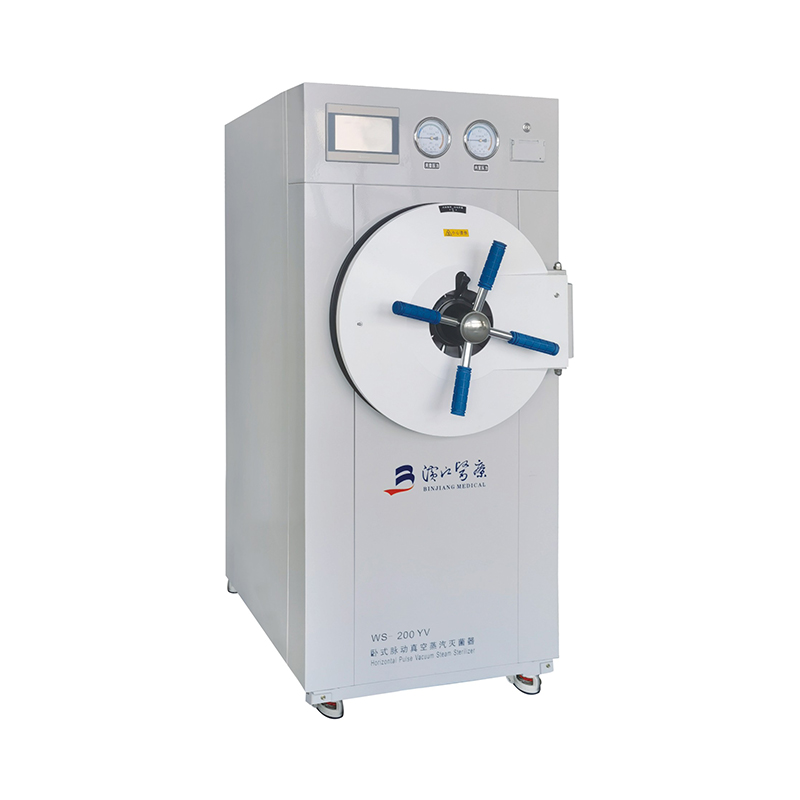 Horizontal Pulse Vacuum Steam SterilizerA robust steam sterilization option for heat- and moisture-tolerant loads, with pulse vacuum, automatic control, and safety interlocks; review it for routine CSSD capacity.View Product →
Practical Safety and Facility Notes
Hydrogen peroxide is an irritant, and a VHP sterilizer is not a benchtop appliance that can be opened whenever someone is curious. Respect the door interlocks, the aeration phase, and the manufacturer’s room ventilation requirements. Operators should be trained on load preparation, packaging, cycle selection, residual monitoring, and what to do if a cycle aborts.
- Keep the load dry and arranged as validated; do not improvise a mixed load without checking compatibility.
- Wait for the validated aeration endpoint before handling or releasing devices.
- Use appropriate personal protective equipment when handling hydrogen peroxide consumables or servicing the unit.
- Monitor room conditions and service the sterilizer according to the maintenance schedule, not only when a fault appears.
- Investigate failed indicators and aborted cycles; do not simply rerun the load and hope for a better result.
If your facility is also reviewing room surface decontamination, that is a different job from device sterilization. JIBIMED’s H-O space sterilizer is built for that adjacent task, not as a substitute for a validated medical device sterilizer.
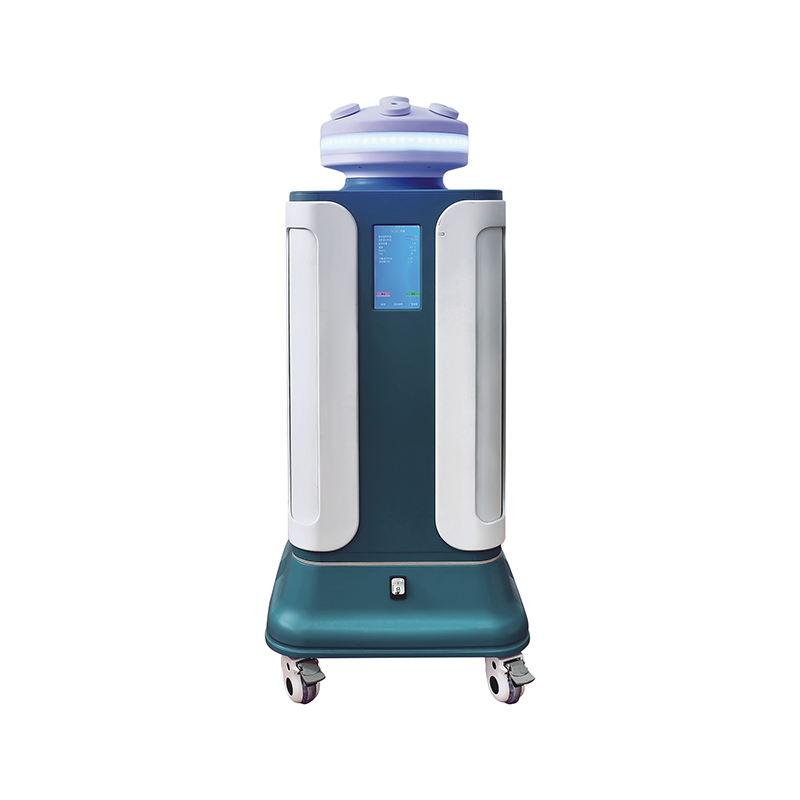 DOMI-800 H₂O₂ Space SterilizerDry-fog hydrogen peroxide space disinfection unit for room surface decontamination, with automated spraying and UV support; consider it separately from validated device sterilization.View Product →
A Calm Buying Checklist
Before choosing vaporized hydrogen peroxide sterilization, ask the questions that keep a project grounded. The goal is not to buy the most advanced box; it is to build a process your team can run, monitor, and defend during an audit.
- Does the device manufacturer explicitly allow VHP, and for which lumen sizes, materials, and packaging?
- Which worst-case loads will you validate, and how will you prove vapor penetration?
- What residual monitoring and aeration time does the sterilizer require, and how does that affect turnaround?
- What consumables, service support, and training come with the system?
- How will you handle failed cycles, recalls, and routine quality review?
JIBIMED’s experience spans steam sterilizers, low-temperature plasma systems, space sterilizers, and supporting equipment for hospitals, laboratories, pharmacies, and food facilities. That range is useful because VHP decisions rarely stand alone. The right answer is usually a mixed equipment plan, clear device claims, and a validation team that understands where each method stops.