English
 русский
 Français
 Español
 Indonesia
 Deutsch
 عربى
عربى 中文简体
中文简体
Low-Temperature Sterilization Technologies: EtO, Hydrogen Peroxide, and More
Posted by Admin | 14 Aug
Content
A central sterile services department (CSSD) processed 214 loads last week, and four of those carts could not have been put through a steam autoclave. Inside were flexible endoscopes, a powered surgical drill, and a reusable pressure sensor — instruments built around polymers, electronics, and adhesives that soften, warp, or fail at 121–134 °C. For those devices, low-temperature sterilization technologies are not an alternative; they are the only route to a sterile, reusable tool. And the choice between ethylene oxide (EtO), hydrogen peroxide gas plasma, low-temperature steam and formaldehyde (LTSF), and peracetic acid (PAA) determines cycle times, ventilation requirements, packaging rules, validation workload, and cost per load for years to come.
What Counts as Low-Temperature Sterilization
Low-temperature sterilization is an umbrella term for validated processes that deliver a high-level microbial kill while keeping devices below roughly 60 °C, and in some cases below 80 °C. EtO operates around 37–55 °C, hydrogen peroxide gas plasma at 45–55 °C, and LTSF at 55–80 °C. PAA immersion runs near 50–56 °C. None of these processes can depend on protein denaturation alone; each uses a different chemical mechanism. EtO alkylates DNA and proteins, hydrogen peroxide generates hydroxyl radicals that attack microbial membranes and nucleic acids, formaldehyde crosslinks proteins, and peracetic acid oxidizes spores, mycobacteria, and viruses.
Regulators and standards bodies expect low-temperature processes to reach the same sterility assurance level as steam: a 6-log10 reduction of resistant microorganisms in a validated cycle. Data published by the CDC show that the principal low-temperature technologies can all meet that benchmark. What separates them is not whether they work, but which one can be made to work reliably in your environment.
The Four Low-Temperature Sterilization Technologies Side by Side
Ethylene Oxide — the Penetration Benchmark
EtO has been in continuous use since the 1950s and remains the most common low-temperature process for complex, heat-sensitive, and implantable devices. Its decisive advantage is physical: the gas penetrates packaging, porous wraps, and narrow lumens, so it suits instrument sets that frustrate surface-acting technologies. Exposure typically runs 2–6 hours at 37–55 °C, followed by aeration that can stretch total processing time beyond 12 hours.
The offsetting cost is operational. EtO is both flammable and toxic, and the department needs controlled ventilation, gas monitoring, and usually a dedicated room. Aeration clears residual gas before devices can be released, and environmental rules in several markets now restrict how EtO discharge is handled. Facilities that need sterile implants, complex trays, or overnight throughput still depend on it; facilities that cannot support its infrastructure rarely select it. For a step-by-step account of the full sequence from preconditioning to release, see our guide to the EO sterilization process.
Hydrogen Peroxide Gas Plasma and Vaporized Systems
Hydrogen peroxide systems vaporize H2O2 and, in gas plasma variants, energize it into a low-temperature plasma at 45–55 °C. The cycle is fast — roughly 30–90 minutes including diffusion and the decomposition of peroxide into water and oxygen — and generates no toxic residue or prolonged aeration. That combination makes it the preferred platform for facilities that need quick turnaround on endoscopes, camera heads, and powered instruments.
Speed comes with geometry limits. The vapor must reach every surface, and most cleared cycles publish maximum lumen length and inner diameter values. Residual moisture dilutes the sterilant and frequently causes aborted cycles or spore-test failures; paper, cellulose, and linen packaging are generally excluded because they absorb hydrogen peroxide. Teams new to the technology usually discover that cleaning and drying discipline, not the chamber, is the real bottleneck; our review of common causes of failure in hydrogen peroxide low-temperature plasma sterilization lists the pitfalls that account for most failed loads.
Low-Temperature Steam and Formaldehyde (LTSF)
LTSF combines sub-atmospheric steam with a small concentration of formaldehyde at 55–80 °C. The steam carries formaldehyde into lumens and porous loads, giving it penetration characteristics closer to EtO than to hydrogen peroxide. Capital cost is moderate and consumables are inexpensive, which is why LTSF maintains a meaningful presence in European central sterile services.
Its constraints are occupational and regulatory. Formaldehyde is a recognized carcinogen, so the area requires tight dosing, vapor control, and staff exposure monitoring. Device compatibility is narrower than EtO, and some markets restrict or no longer clear formaldehyde-based processes for routine hospital use. Where clearance exists, LTSF is a practical middle ground.
Peracetic Acid (PAA) Systems
Peracetic acid is a potent oxidizer that is sporicidal at low temperature. Immersion systems use a diluted liquid formulation at roughly 50–56 °C with contact times of 12–30 minutes, and newer vaporized designs add flexibility. PAA is a common choice for flexible endoscope reprocessing because the cycle is short and the device is ready for immediate use.
The trade-offs are material and logistical. Some formulations are aggressive toward carbon steel, copper, and anodized aluminum. Because processed items emerge wet or must be used promptly, PAA immersion does not provide a storage-friendly terminal method in every configuration. Liquid chemistry and waste handling add consumable cost, but for a department that reprocesses the same scopes several times a day, cycle speed wins.
| Technology | Typical temperature | Total cycle time | Main strength | Main constraint |
|---|---|---|---|---|
| Ethylene oxide (EtO) | 37–55 °C | 10–24 h including aeration | Penetrates lumens, packaging, and porous loads | Toxicity, ventilation, aeration, and regulatory controls |
| Hydrogen peroxide gas plasma | 45–55 °C | 30–90 min | Fast cycle with safe residuals | Lumen and geometry limits; strict drying and packaging rules |
| LTSF | 55–80 °C | 2–4 h | Good penetration at moderate cost | Formaldehyde exposure controls; limited market clearance |
| Peracetic acid (PAA) | 50–56 °C | 30–60 min | Short cycles with strong sporicidal action | Material corrosion; immediate use required in many systems |
How to Choose the Right Low-Temperature Technology
There is no universal winner. The right method is the one whose failure modes your team can control.
Start with a device inventory audit, then move through usage patterns, facility constraints, and total cost. A busy endoscopy unit that reprocesses the same scopes back-to-back needs a fast cycle and immediate availability; an operating room that batches complex instrument sets overnight can tolerate a 10+ hour EtO cycle. EtO needs dedicated ventilation space; hydrogen peroxide plasma systems fit most existing CSSD utilities. Model consumables, biological indicators, environmental monitoring, and waste handling as carefully as the capital purchase.
- Lumen geometry — EtO and LTSF handle long, narrow channels; hydrogen peroxide plasma imposes published length and diameter limits.
- Turnaround — 30–90 minutes for plasma systems versus 10–24 hours for EtO with aeration.
- Infrastructure — EtO demands ventilation, flammability controls, and gas monitoring; plasma systems work within ordinary CSSD utilities.
- Packaging — cellulose and paper are excluded from hydrogen peroxide plasma cycles; EtO and LTSF allow them.
- Compliance — formaldehyde-based processes are not cleared in every market, and EtO emissions face tightening environmental rules.
- Cost per load — consumables, biological indicators, and compliance overhead vary more than the purchase price.
For a mechanism-level cross-check of your decision, the technical comparison of gamma, plasma, and steam methods is a useful reference when steam remains a candidate for some workloads.
What Makes a Low-Temperature Program Reliable
Every low-temperature method is more sensitive to preparation than saturated steam. Cleaning, drying, packaging, and loading decide success or failure more than the sterilizer's brand.
Cleaning is a biological and mechanical prerequisite: soil shields spores from the sterilant, and residues inside channels can react with hydrogen peroxide or formaldehyde. Drying protects peroxide cycles in particular; a single drop of water inside a lumen can keep the peroxide concentration below the sporicidal level. Packaging must match the process — non-woven polypropylene wraps are standard for plasma systems, while EtO pouches must allow gas penetration. Load configuration determines diffusion behavior; overcrowding a plasma chamber short-circuits vapor flow, and poorly oriented trays can create cold zones in LTSF.
Cycle monitoring combines physical parameters, chemical indicators in every pack, and biological indicators on a defined schedule — most commonly Geobacillus stearothermophilus for hydrogen peroxide processes and Bacillus atrophaeus for EtO. Staff training is the final layer. Wet instruments, hurried loading, and misinterpreted indicators account for most low-temperature load failures.
Beyond the Chamber: Low-Temperature Chemistry at Room Scale
The oxidative chemistry used inside instrument chambers has also moved outward into the patient environment. Hydrogen peroxide vapor and plasma-based air treatment are now applied in operating rooms, isolation wards, and pharmaceutical compounding areas to reduce surface and airborne contamination. The technical difference is scale: instead of a sealed chamber processing one load, a space sterilizer treats an entire room, targeting disinfection of environmental surfaces and air rather than terminal sterilization of devices.
At JIBIMED, 25 years of manufacturing sterilization equipment has produced a portfolio that spans both sides of that divide. The instrument sterilizers are predominantly saturated-steam designs, while the low-temperature line applies hydrogen peroxide and plasma chemistry to spaces. An H-O space sterilizer generates a hydrogen-peroxide-based dry fog that reaches walls, floors, and equipment surfaces; a mobile plasma air sterilizer can be moved to whichever room needs additional air treatment during a shift; and a wall-mounted plasma air sterilizer provides continuous, unattended air disinfection where floor space is too valuable to give up.
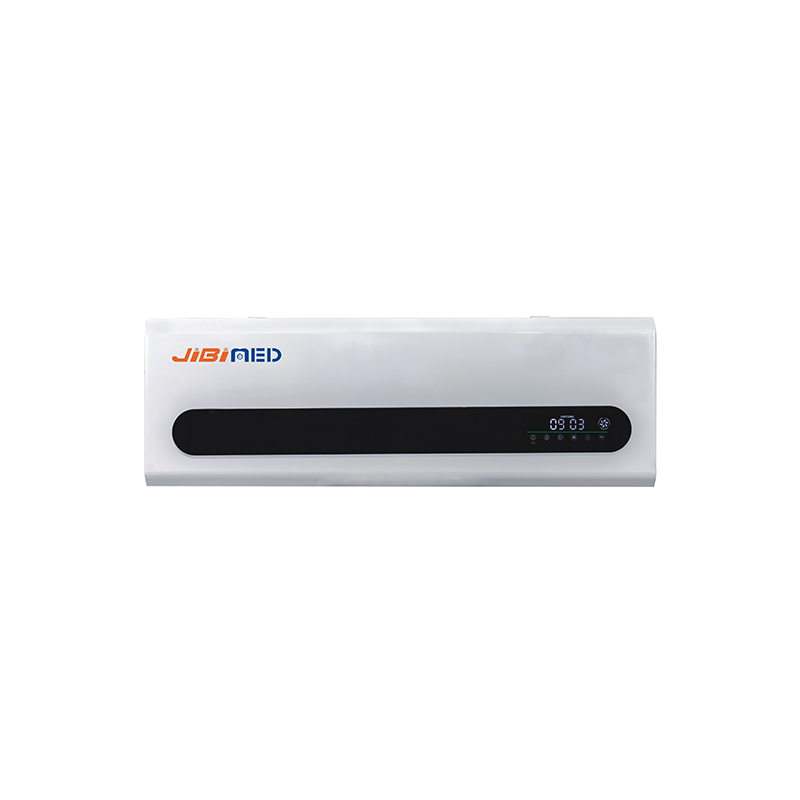 Wholesale Wall Mounted Type Plasma Air Sterilizer Suppliers, OEM/ODM Company - JJiangyin Binjiang Medical Equipment Co., Ltd. is China wholesale Wall Mounted Type Plasma Air Sterilizer suppliers and OEM/ODM company, d...View Product →
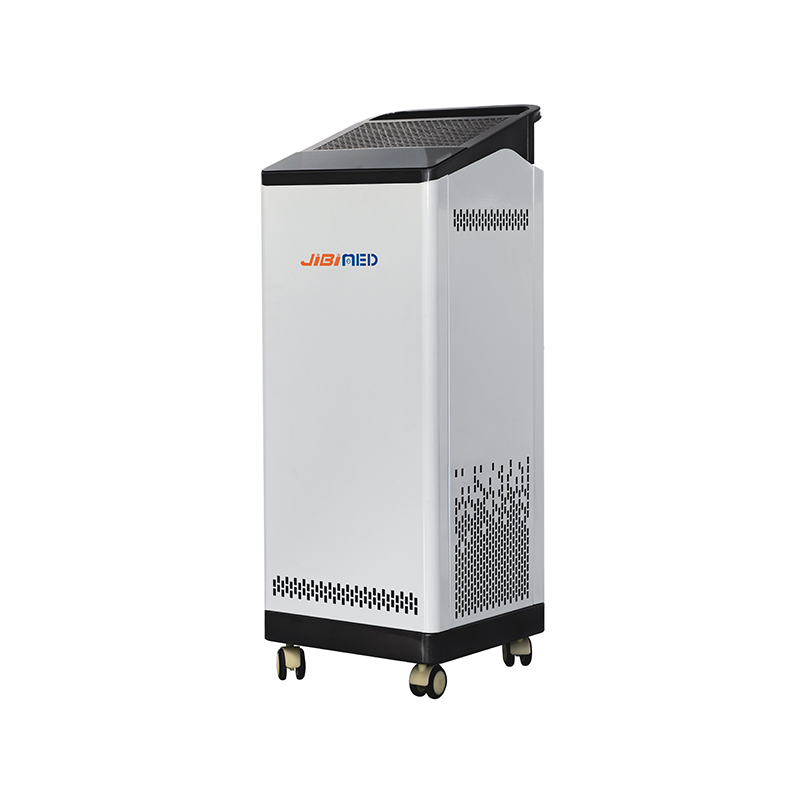 Wholesale Mobile Type Plasma Air Sterilizer Suppliers, OEM/ODM Company - JiangyiJiangyin Binjiang Medical Equipment Co., Ltd. is China wholesale Mobile Type Plasma Air Sterilizer suppliers and OEM/ODM company, details...View Product →
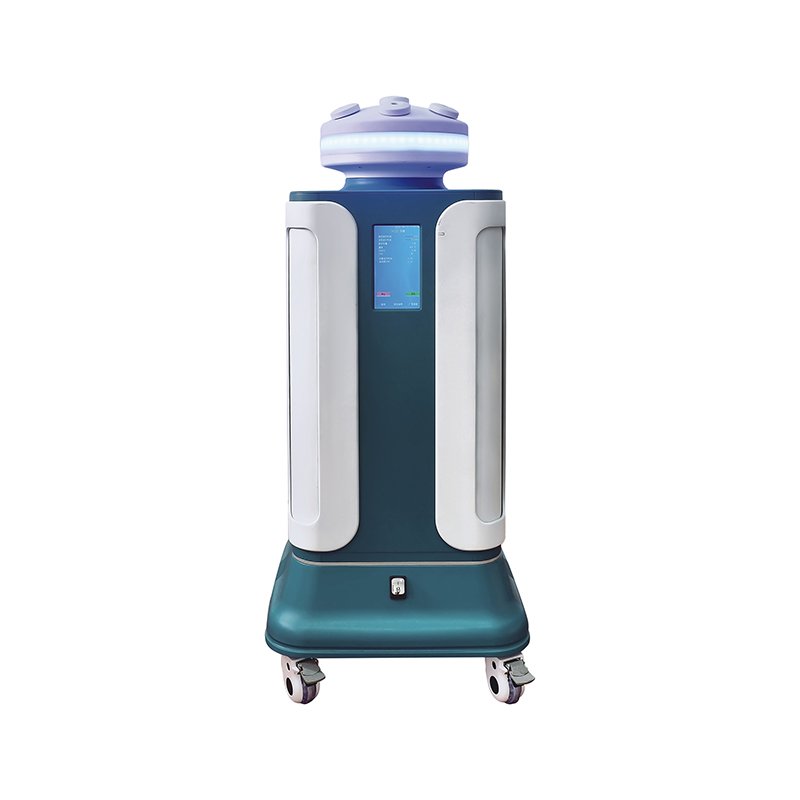 Wholesale H₂O₂ Space Sterilizer Suppliers, OEM/ODM Company - Jiangyin Binjiang MJiangyin Binjiang Medical Equipment Co., Ltd. is China wholesale H₂O₂ Space Sterilizer suppliers and OEM/ODM company, details:View Product →
Low-temperature sterilization technologies will keep expanding because medical devices keep shrinking. EtO remains the standard for penetrating, compatible, terminally sterilizable loads. Hydrogen peroxide plasma has become the default for speed and safety. LTSF and PAA serve defined niches. None of the four forgives poor cleaning, wet loads, or untrained operators. Start with your device list and your shift schedule, then choose the technology whose failure modes your team can control — and validate it before you trust it.